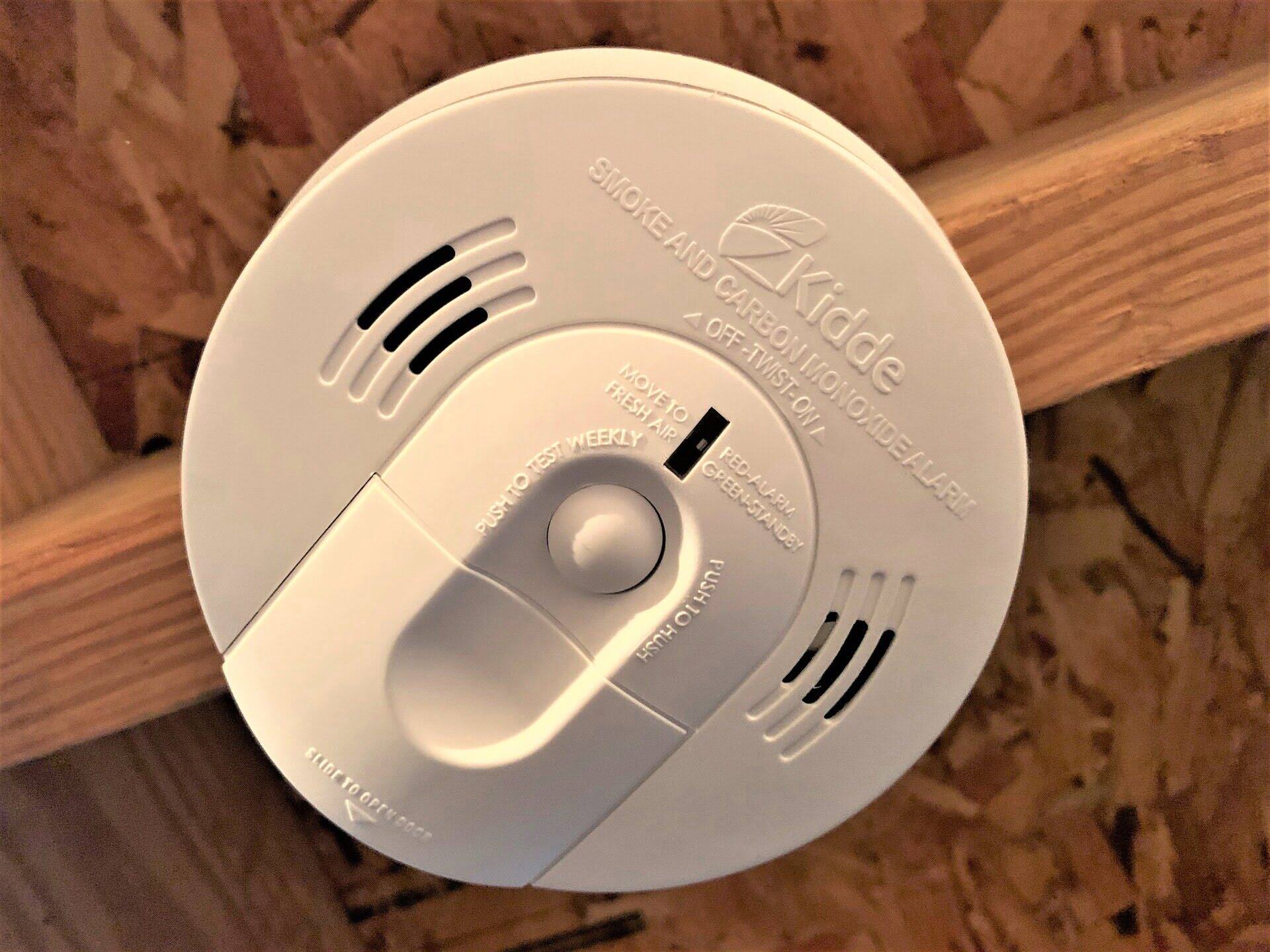
How Often Should You Replace Carbon Monoxide Alarm
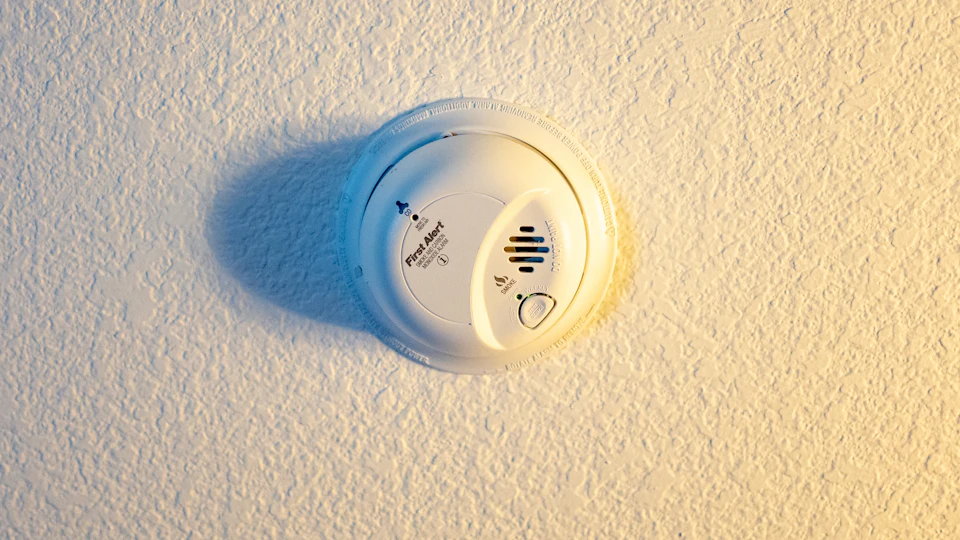
Alright, let's talk about one of the unsung heroes of your home, silently standing guard against an invisible threat: your Carbon Monoxide alarm! It’s like the ninja of home safety, ever-present, ever-vigilant, making sure your cozy abode stays super safe. But here’s a secret about even the bravest ninjas: they sometimes need a little refresh, or dare we say, a well-deserved retirement!
We all know to swap out batteries in smoke detectors (or at least we should!), and we definitely replace that moldy bread in the fridge faster than you can say "ick!" But when it comes to our trusty Carbon Monoxide alarms, it’s easy to just… let them hang out. They're up there, doing their thing, quietly collecting dust bunnies and looking very important. But a crucial question often floats around, like a confused little dust bunny itself: How often should you actually replace these life-saving gadgets?
The Big Question (and Why It's Not a Riddle Wrapped in an Enigma)
You might glance up at your sleek, white CO alarm and think, "Hey there, buddy! Still looking good, still looking ready!" And while its outer shell might maintain its youthful glow, inside, things are happening. We're not talking about tiny gnomes meticulously checking for CO (though that would be adorable!). We're talking about sophisticated electrochemical sensors that are working tirelessly, day in and day out, to detect that sneaky, odorless, colorless gas that we affectionately call the "silent killer."
Must Read
So, What's the Magic Number? (Hint: It's Not 42, Though That Would Be Funnier)
Drumroll please! Most Carbon Monoxide alarms, whether they're battery-powered, plug-in, or hardwired, typically have a lifespan of about 5 to 7 years. Yes, you heard that right! Not forever, not until they turn yellow, but a solid 5 to 7 years of peak performance. Think of it like your favorite pair of running shoes – they’re great for a while, but eventually, they just don’t have the same spring in their step. Your CO alarm is no different!
Key Takeaway: Most CO alarms have a lifespan of 5-7 years. But always, ALWAYS check the manufacturer's date on the back or side! It's usually a "Replace By" date or a "Manufacture Date" you can add 5-7 years to.
Why Can't My Loyal CO Alarm Live Forever Like a Vampire?
Ah, if only our gadgets could be immortal! The reason these heroes have a retirement plan isn't because they get tired of staring at your wall (though who could blame them after 7 years?). It's all about that amazing internal sensor. This little marvel is constantly sniffing the air, looking for tiny traces of Carbon Monoxide. Over time, the chemicals within this sensor can dry out or become less sensitive. It's not a sudden breakdown, but a gradual, subtle decrease in its super-sensing abilities. Imagine your best bloodhound pal slowly losing his sense of smell – you wouldn’t want him on a critical tracking mission then, right?

It’s not just about the internal components either. Environmental factors like dust, humidity, and even tiny temperature fluctuations can play a part in the sensor's gentle decline. So, while it might still look perfectly fine, its ability to detect minuscule amounts of CO might be slowly fading, turning your brave guardian into more of a sleepy, politely nodding friend. And when it comes to Carbon Monoxide, you need a full-throttle, siren-blaring, wake-the-dead kind of friend!
It's Like That Old Flip Phone (But Way More Critical)
Remember that ancient flip phone you used to have? It still turned on, maybe even made calls, but would you trust it to navigate you through a foreign city or take a crystal-clear photo of your perfect latte? Probably not! It’s the same with an aging CO alarm. It might still be powered on, its little green light might still glow, but is it performing at its absolute peak, ready to detect the earliest, most critical signs of a gas leak? You want a fully charged, up-to-date, smartphone-level protector, not a dial-up modem of an alarm!

Time to Be a Super Sleuth: Finding Your Alarm's Expiration Date
Okay, so now that you know your alarm isn't destined for eternal vigilance, it's time to become an intrepid detective! This is the fun part! Go on, wander over to your Carbon Monoxide alarms. They’re probably a bit higher up, perhaps on the wall or ceiling. Most alarms have a date printed right on the back or side – sometimes it’s clearly labeled "Replace By" or "End of Life." Easy peasy!
- Can't find a "Replace By" date? Look for a "Manufacture Date". If you find one, simply add 5-7 years to that date, and voila! You have your replacement deadline.
- No date whatsoever? Or is it so faded you need a magnifying glass and an archaeological team to decipher it? If your alarm is mysterious and ancient, it's probably best to assume it’s time for an upgrade. When in doubt, swap it out! It’s better to be safe than sorry, and it costs far less than a new smartphone!
Don't Wait for the Alarm to Start Mumbling!
Replacing your Carbon Monoxide alarm isn’t a chore; it’s an empowering act of home heroics! It's a quick, simple way to ensure your peace of mind and, more importantly, the safety of everyone under your roof. You wouldn’t keep milk past its expiration date, and you definitely wouldn't drive on bald tires – so let's give our CO alarms the same attention! When they hit that 5-7 year mark, it's time to send them off to a well-deserved retirement and welcome a fresh, new, super-sensitive guardian into your home.
Don't let your CO alarm turn into that sleepy guard dog that just kinda woofs instead of BARKING when danger is near! Give yourself the gift of a vigilant, fully alert protector.
The Happy Ending: Peace of Mind (and No Silent Threats!)
So there you have it! Replacing your Carbon Monoxide alarm every 5-7 years is a small step that makes a monumental difference. It’s an easy check, a simple swap, and then you’re back to enjoying your home knowing you're protected by the best. No more worrying if your trusty guardian is getting a bit sleepy on the job. Just pure, unadulterated peace of mind, knowing that your home is safe from the silent threat, allowing you to focus on all the fun, noisy, wonderful things life has to offer!