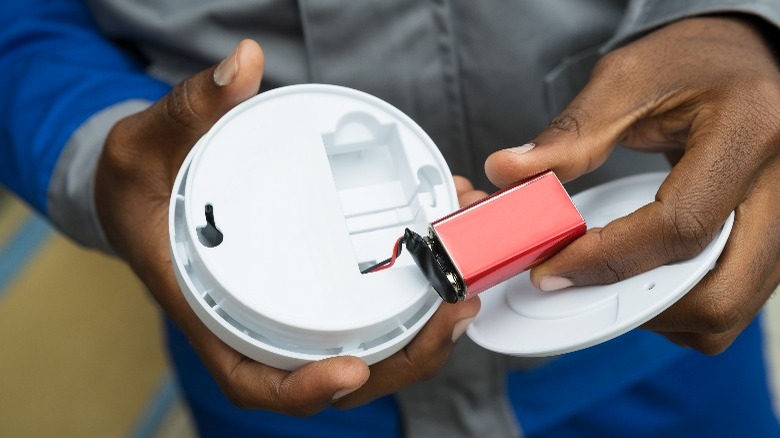
How Often Should You Replace Batteries In Smoke Detectors
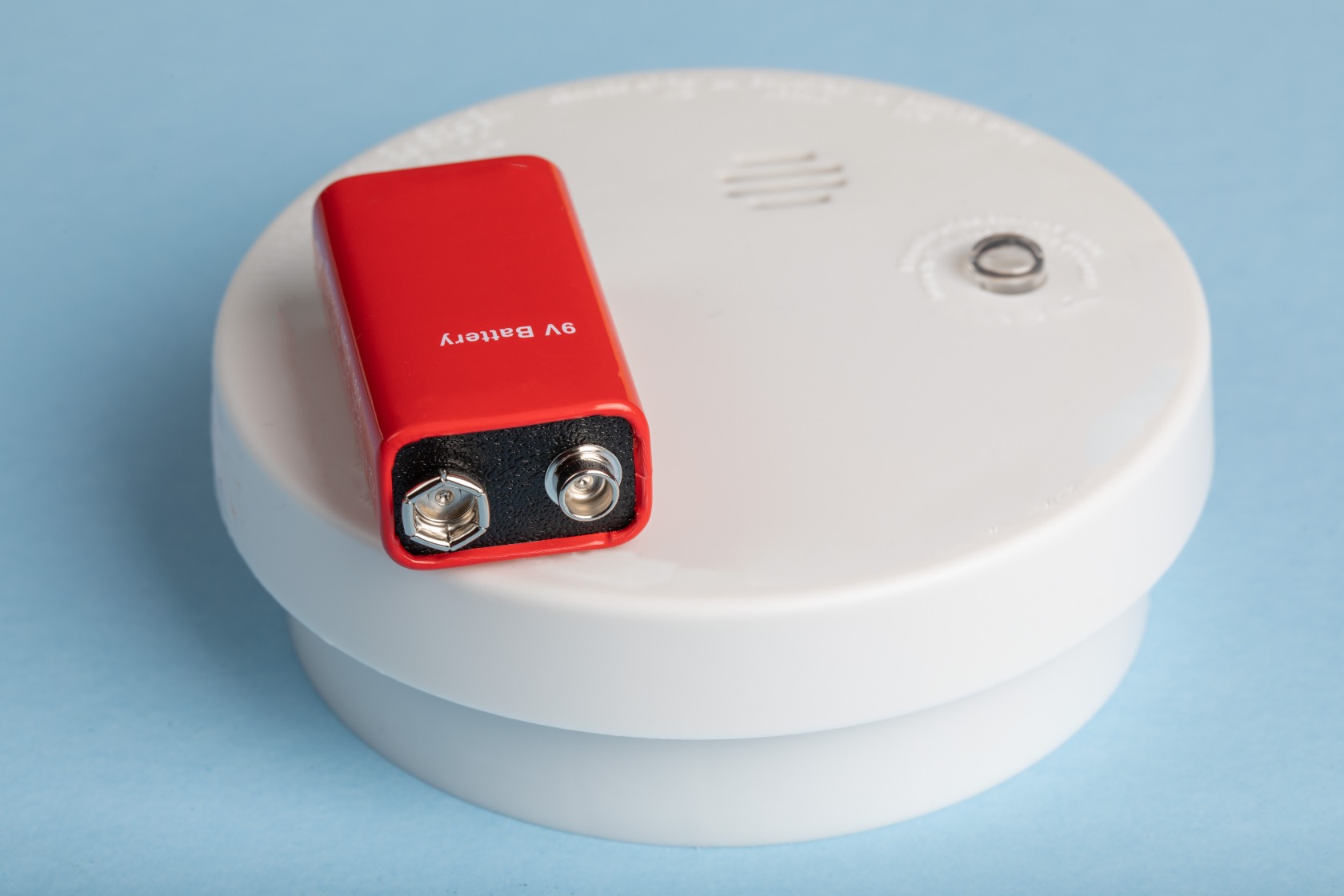
Ah, the smoke detector. That unsung guardian of our homes, patiently waiting for a crisis, usually just to be triggered by burnt toast or a particularly steamy shower. But there's another, far more insidious way it makes its presence known: the chirp. You know the one. It starts innocently enough, a faint, almost polite "peep" that seems to come from everywhere and nowhere at once. Then it escalates, turning into a relentless, ear-splitting scream that usually strikes at 3 AM, precisely when you're in the deepest, most sacred part of your REM cycle.
The dreaded chirp is not a polite suggestion; it's a desperate cry for help from a tiny electronic device with a dying battery. It's the smoke detector equivalent of a toddler throwing a tantrum in the supermarket because its juice box is empty. And just like that juice box, the solution is usually simple, but the journey to get there can be… a saga.
The Annual Check-Up: Your Home's Bat-Signal Refresh
So, how often should you actually replace those batteries, before you're driven to madness by that intermittent, high-pitched whine? The general consensus, the wise old sage advice, is at least once a year. Think of it like your car’s oil change, or that yearly visit to the dentist you always try to put off. It's a non-negotiable for safety, and honestly, for your sanity.
Must Read
Why annually? Because batteries don't just abruptly die; they wither. They lose their oomph over time, and your smoke detector needs a consistent, strong power source to perform its life-saving duty. Waiting for the chirp is like waiting for your car to stall on the highway before you fill up the gas tank. Not ideal, right?
The Chirp: A Midnight Serenade from the Ceiling Demon
Let's be real, though. Most of us aren't exactly doing a yearly battery swap with military precision. We wait for the chirp. And what a journey that is! It begins with that single, lonely peep. "Was that... the fridge?" you wonder. "A cricket? Is my house haunted by a tiny, digital ghost?" You drift back to sleep, only to be jolted awake by a louder, more insistent chirp. The hunt begins.
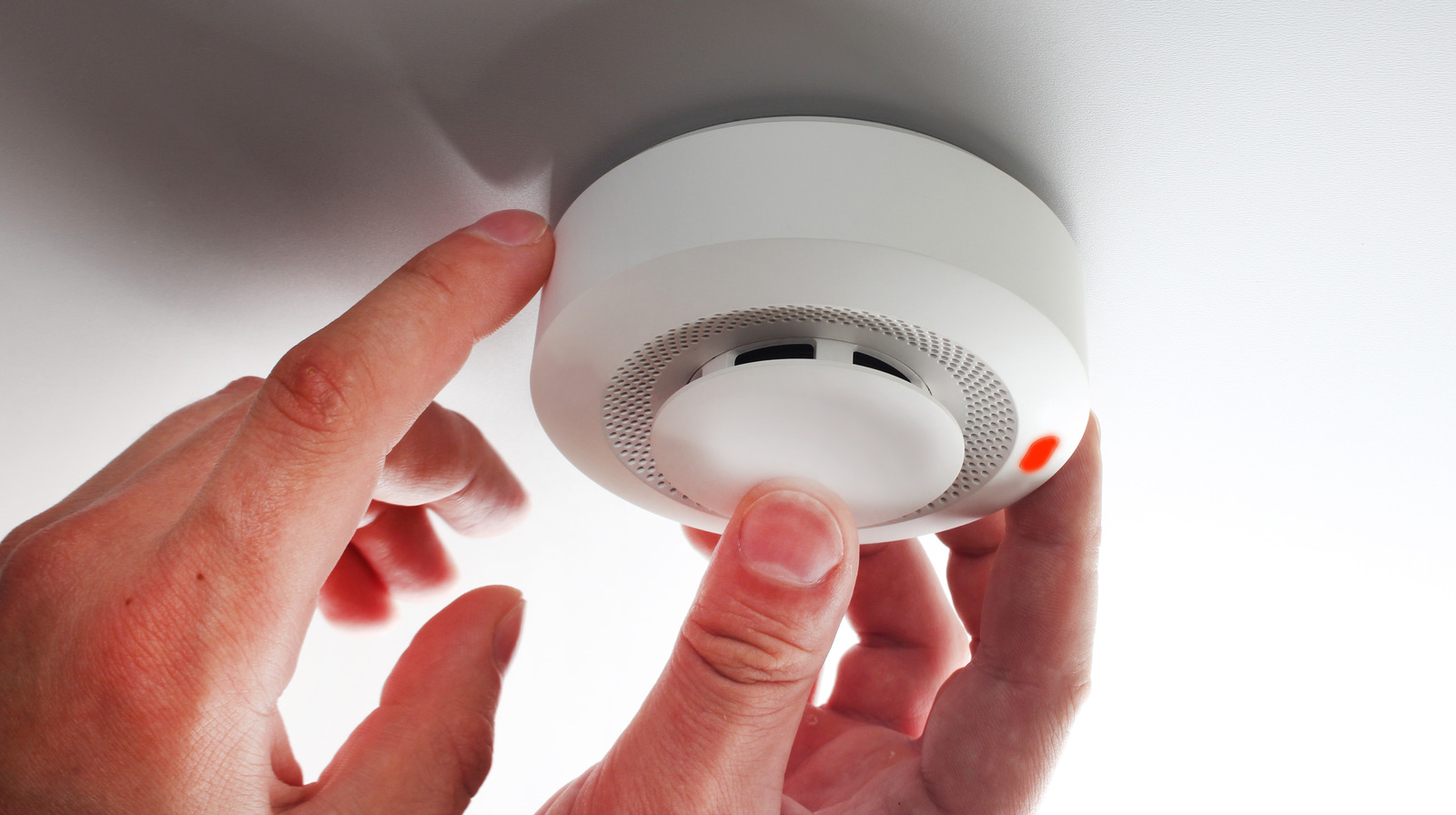
You crawl out of bed, groggy and disoriented, shining your phone flashlight wildly around the ceiling. "Which one is it?" you whisper-shout to yourself, as if confronting a particularly cunning villain. You stand on chairs, wave brooms, and probably look ridiculous, all while your family sleeps soundly, blissfully unaware of your heroic, sleep-deprived quest. Finding the culprit is like winning the lottery, but instead of cash, you get silence. Oh, sweet, sweet silence.
The Smart Way: Link It to Daylight Saving Time
So, how do you escape the chirp cycle? Here's a trick, a little hack for your brain: tie it to Daylight Saving Time. When you "spring forward" in March, or "fall back" in November, that's your cue. You're already adjusting clocks, changing routines; why not add "change smoke detector batteries" to the list?
It’s an easy, built-in reminder. "Spring forward, fall back, change your batteries!" Say it with me. Make it your mantra. This simple habit can save you from those midnight adventures and ensure your tiny ceiling heroes are always battle-ready.
Why Bother? Because They're Little Lifesavers
We joke about the chirp, because it's genuinely annoying, but let's not forget the serious side for a moment. Smoke detectors are designed to give you and your loved ones precious minutes to escape in case of a fire. They’re literally your home's first line of defense, a tiny sentinel constantly on guard. That's why keeping them powered and working correctly is so incredibly important.

A fresh battery ensures your detector has the juice it needs to sound the alarm loudly and clearly when it really matters. Don't compromise on that. Think of it as investing in peace of mind, for about the cost of a fancy coffee once a year.
A Few Quick Tips Before You Go
- Stick to the plan: Aim for that annual change, ideally with Daylight Saving Time.
- Have spares: Keep a pack of the correct battery type (usually 9-volt or AA) on hand. No one wants to hunt for batteries at 3 AM.
- Test 'em: After changing the batteries, always press the "test" button to make sure it's working. You should hear a loud, piercing alarm. If not, recheck the battery or consider replacing the unit.
- Check the expiration: Smoke detectors themselves have a shelf life, usually around 10 years. Check the manufacture date on the back of the unit and replace the entire detector if it’s past its prime.
So there you have it. Don't let the chirp become your personal nightmare. Be proactive, grab those batteries, and keep your home, and your sleep, safe and sound. Your future well-rested self will thank you.