How Often Should You Cut Your Lawn In The Summer
Ever found yourself staring out at your lawn, wondering if it’s time for a trim? It's a question that plagues homeowners every summer. Understanding how often to cut your lawn isn't just about aesthetics; it’s about maintaining a healthy, thriving green space. Let’s delve into the surprisingly interesting world of lawn mowing frequency! It might seem like a chore, but mowing properly has a real impact on your yard's health and your enjoyment of it.
So, what's the purpose of regularly mowing your lawn? Besides the obvious – keeping it looking neat and tidy – regular mowing offers a host of benefits. It encourages thicker growth by stimulating the grass plants to produce more shoots. Think of it like giving your lawn a haircut; it prompts new growth and helps it fill in bare patches. Mowing also helps to control weeds. By consistently cutting them down before they go to seed, you can significantly reduce their spread. And, let's not forget, a well-maintained lawn simply makes your property look more attractive, boosting curb appeal and potentially even your property value.
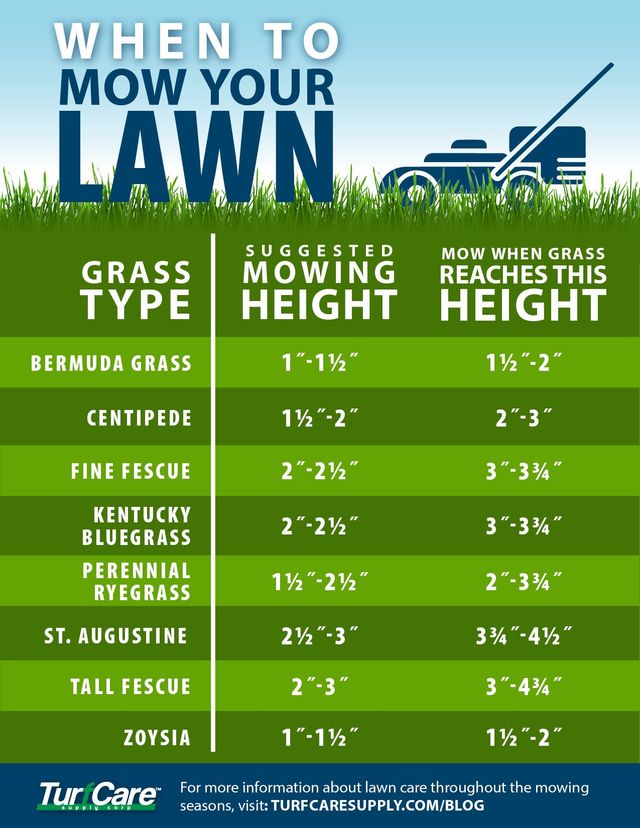
But how often should you be firing up the lawnmower during the summer? There’s no one-size-fits-all answer. It largely depends on the type of grass you have, the local climate, and your personal preferences. A general rule of thumb is the “one-third rule”: never remove more than one-third of the grass blade in a single mowing. This prevents stressing the grass and helps it retain moisture. For many common lawn grasses, this translates to mowing about once a week during peak growing season. However, if you're experiencing a period of rapid growth due to ample rain or fertilization, you might need to mow twice a week. Conversely, during a drought, you might only need to mow every two weeks, or even less frequently.
Must Read
Understanding this concept can be useful in various ways. In schools, learning about lawn care can be integrated into science lessons about plant growth and ecosystems. Understanding the impact of different mowing practices on grass health and weed control can be a practical, hands-on learning experience. In daily life, knowing when and how to mow properly can save you time and effort in the long run. A healthy lawn requires less watering, fertilization, and weed control, ultimately reducing your yard work burden and saving you money.
Want to explore this further? A simple experiment is to divide your lawn into sections and try different mowing frequencies. Mow one section weekly, another every other week, and a third section as needed (following the one-third rule). Observe the differences in grass thickness, weed growth, and overall health over a few weeks. This hands-on approach will give you a better understanding of what works best for your specific lawn. Another practical tip is to pay attention to the growth rate of your grass. If it’s growing quickly, mow more frequently; if it’s growing slowly, mow less frequently. Don't be afraid to adjust your mowing schedule based on the needs of your lawn. Using a mulching mower, which chops grass clippings finely and returns them to the soil as fertilizer, is another great way to promote a healthy lawn and reduce the need for chemical fertilizers. Ultimately, the key is to observe your lawn, be flexible, and adjust your mowing schedule accordingly. Happy mowing!