
How Often Should You Clean A Septic Tank

Ever think about the unsung hero quietly doing its job beneath your feet? No, not your lawnmower, though it tries! We're talking about your incredible septic tank! It’s the subterranean superstar, the diligent digestor, the loyal liquid lord that keeps everything flowing smoothly in your home.
But like any loyal helper, even your septic tank needs a little TLC. It’s not a set-it-and-forget-it kind of buddy, even if it tries its best to be inconspicuous. So, the million-dollar question echoes through the valleys and over the hills: "How often should I clean this subterranean wonder?"
The Golden Rule of Septic Serenity
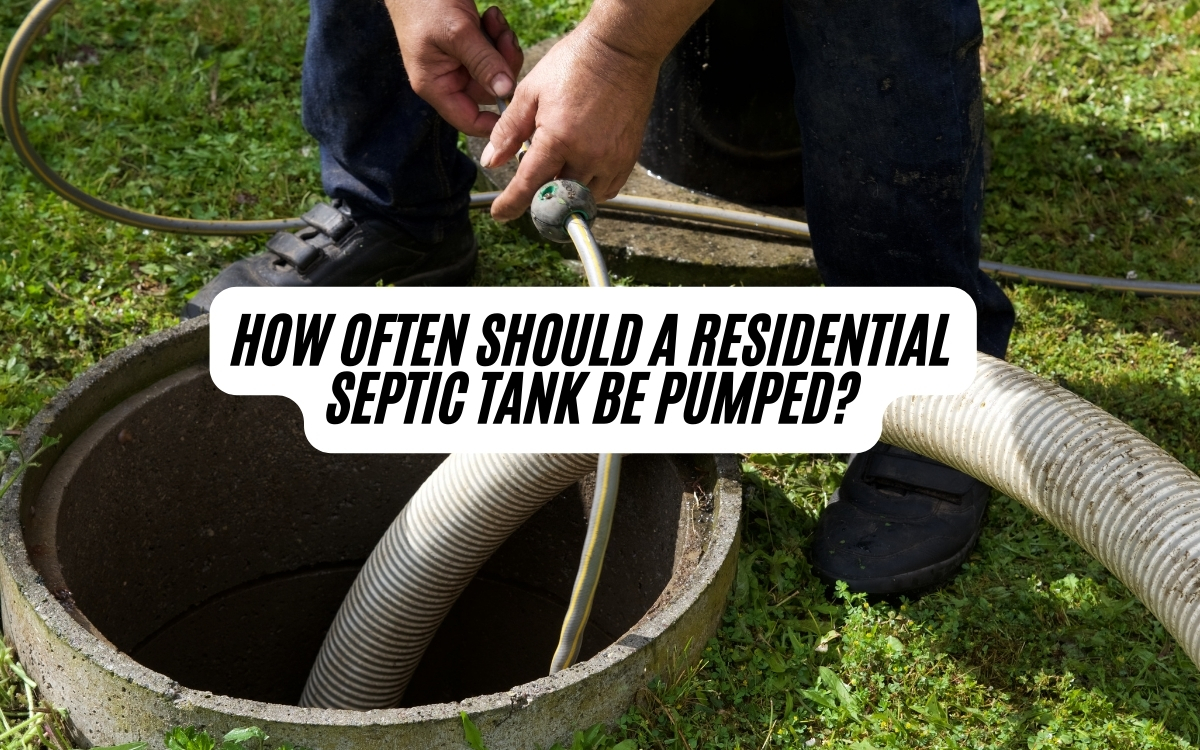
Alright, let’s get straight to the sparkling heart of the matter! For most folks, with a typically sized tank and average household hustle and bustle, the magical number for cleaning, or "pumping" as the pros call it, is generally every three to five years.
Must Read
Think of it like getting your car’s oil changed. You wouldn't wait until the engine started making alarming clunking noises, right? You get it done preventatively to keep everything purring. Your septic tank deserves that same preventative pampering!
This sweet spot of three to five years is your prime directive for keeping things happily gurgling along. It helps prevent those dreaded "oops!" moments that no homeowner ever wants to experience.
When Your Septic Tank Might Need a Speedier Spa Day
Now, while that three-to-five-year guideline is a fantastic starting point, your personal circumstances might give your septic tank a bit of a workout. Factors like a super-sized family or a love for epic laundry days can shift that timeline. Let’s peek at what might influence your septic tank's schedule!
The Hustle and Bustle of Your Household
Picture your septic tank as a diligent little factory. The more raw materials (aka, everything you flush and drain!), the faster that factory's storage fills up. A bustling family with kids, pets, and frequent houseguests means more goes into the tank.
If you're hosting a small army, or your teenagers have discovered the joy of 45-minute showers, your tank is working overtime. More people usually means more waste, and more frequent visits from the pumping truck might be in order.

Quote the Septic Sage:
"A lonely hermit's tank might go for ages, but a household full of high-fiving shower-singers? That tank needs more attention!"
Your Water Wizardry (or Lack Thereof!)
Are you a water conservation wizard, carefully counting every drop? Or do you embrace the full power of your plumbing with daily loads of laundry and luxurious baths? Your water usage directly impacts your septic tank’s workload.
High water use means more liquid flowing into the tank, which in turn stirs up the contents and pushes solids towards the drain field faster. This can actually reduce the settling time your tank needs to properly separate everything.
So, while it feels great to indulge in a long, hot shower, remember your septic system is feeling the rush! Mindful water use is a silent cheer for your underground buddy.
The "Don't-Flush" Follies
Oh, the horror! The unspeakable things that try to sneak past your trusty septic tank's vigilant watch! We're talking about those sneaky cooking oils, the greasy villains that solidify like concrete in your pipes. Or worse, the "flushable" wipes that absolutely, positively, are NOT flushable!
Your septic tank is designed for human waste and toilet paper – that’s it! Anything else is like trying to feed a gourmet chef a handful of glitter and rusty nails. It just doesn't work and causes havoc.
Items like dental floss, feminine hygiene products, coffee grounds, and cat litter are absolute no-gos. They build up into a terrifying sludge monster that clogs your system faster than you can say "plumber!" Stick to the golden rule: if it didn't come from your body or isn't specifically septic-safe toilet paper, keep it out of the bowl!
The Great Tank Capacity Caper
Not all septic tanks are created equal! Your tank's size plays a huge role in how much it can hold before needing a clean-out. A smaller tank, especially for a larger family, will naturally fill up quicker.
On the flip side, if you have a generously sized tank for a small household, you might find yourself stretching that three-to-five-year window a bit. It’s all about the perfect balance, like Goldilocks finding the just right porridge for her septic system!
Whispers From Below: Signs Your Septic Tank Is Calling For Help!
Sometimes, your septic tank will send out subtle (or not-so-subtle!) distress signals. Don’t ignore these cries for help! They’re like your house waving a tiny white flag, saying, "Hey, I need attention BEFORE things get really messy!"
Keep an ear (and a nose!) out for these tell-tale signs that it might be time to call in the professionals, even if it hasn't been three years yet!

Slow Drains and Gurgling Groans
Ever heard a drain gurgle back at you, almost like it's saying, "Help meeee!"? Or noticed that your bathtub takes an eternity to empty? Sluggish drains throughout your house are a big red flag that something is amiss in your septic system.
This can mean that the solids in your tank have built up so much that they're impeding the flow of liquids. It's like a traffic jam, but for your wastewater! Don't let it turn into a full-blown gridlock.
The Dreaded Odor Offensive
This one is usually pretty hard to miss! If you start catching whiffs of foul odors in your yard, especially near the septic drain field, or even worse, inside your home, your septic tank is definitely sending an SOS.
That unpleasant rotten egg smell means gases aren't being properly contained. It's your septic tank yelling, "I'm full! And I'm not afraid to show it!" Don't let your nose suffer; call a pro!
Puddles of Mystery in the Yard
Nobody wants mysterious soggy spots in their yard, especially if it hasn't rained recently! If you see pooling water, particularly over your drain field (that grassy area where your tank disperses treated wastewater), it's a huge warning sign.
This usually indicates that the drain field is oversaturated or clogged, and the liquid from your tank has nowhere else to go but up. This is a critical sign that your tank is seriously overloaded and needs immediate attention.
The Undeniable Joy of a Well-Maintained Septic System
So, why go through all this trouble? Because a happy septic tank means a happy home, a happy wallet, and a happy nose! Neglecting your tank can lead to expensive repairs, disastrous backups, and an overall very stinky situation.
Regular cleaning is an investment in your home's health and your peace of mind. It keeps the system running efficiently, extends its lifespan, and prevents those nightmare scenarios that make homeowners want to move to an apartment complex with city sewers!
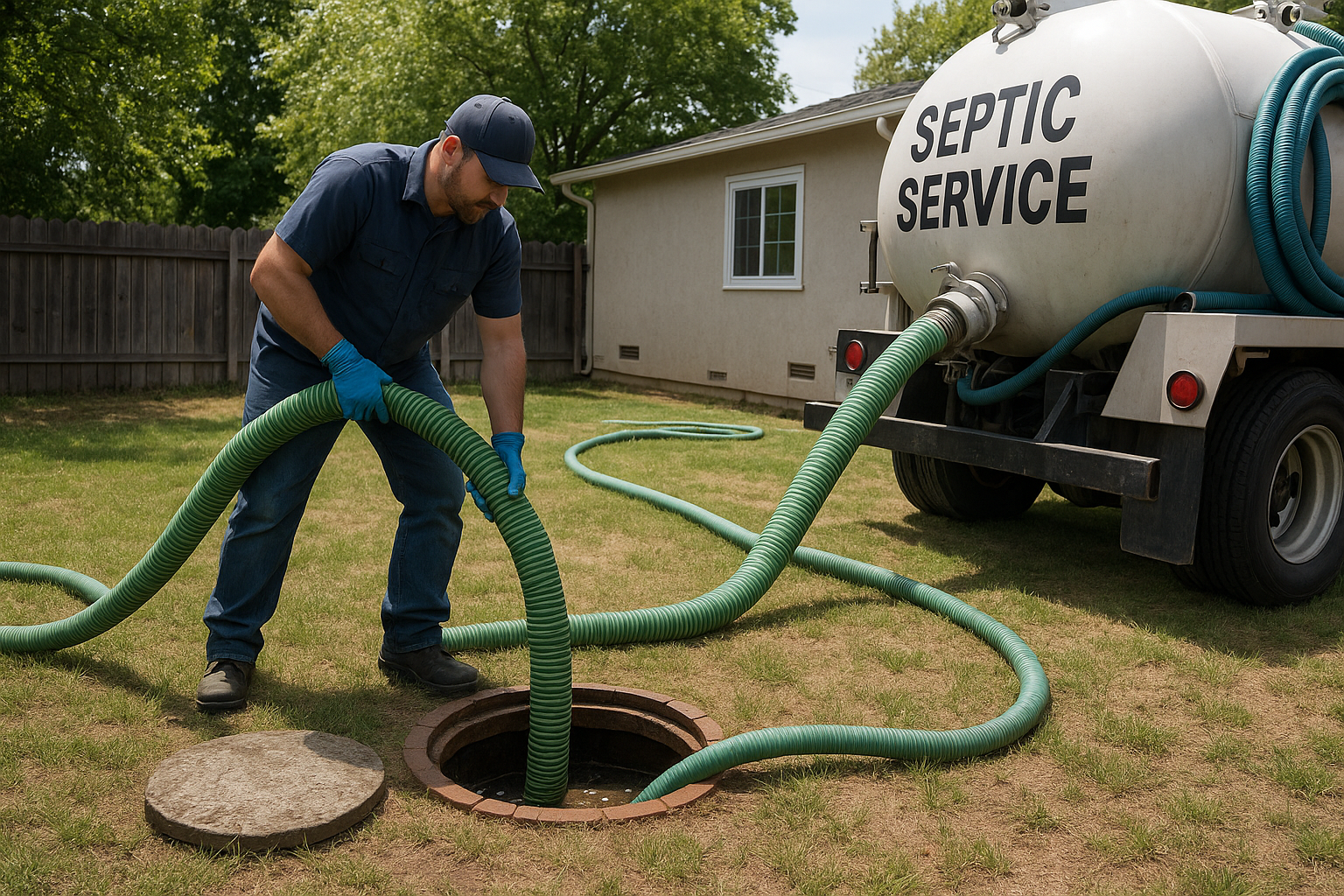
When it's time, always call a qualified septic professional. This isn't a DIY job; these folks have the right equipment and expertise to safely and effectively pump your tank. They'll handle the dirty work so you don't have to, and they can even inspect your system for potential issues!
Keep Your Septic Tank Smiling!
So, there you have it! While "three to five years" is your best friend for septic tank cleaning, listen to your home, consider your household's unique rhythm, and always be on the lookout for those subtle signals. Your amazing septic tank is working hard for you every single day.
Give it the love and attention it deserves with regular pumping, and it will continue to be your silent, subterranean superstar, keeping everything flowing beautifully for years to come! Here’s to happy drains and a wonderfully worry-free home!