
How Often Should Co Detectors Be Replaced

Imagine the quiet heroes of your home, always on duty, never asking for applause. These silent sentinels watch over your family as you sleep, guarding against dangers you can’t see, smell, or taste. They are your trusty carbon monoxide detectors, often tucked away, blending into the background.
We rely on them implicitly, assuming they’ll always be there, ready to sound the alarm if trouble brews. But what if I told you these diligent protectors have a secret timeline, a quiet countdown ticking away?
The Secret Life of Your Silent Guardian
Most of us are well-versed in the annual ritual of changing smoke detector batteries, often tied to daylight saving time. It’s a habit ingrained in our safety routines, a quick beep-test to ensure all is well.
Must Read
Yet, when was the last time you thought about replacing the actual carbon monoxide detector itself? This question often sparks a moment of puzzled silence, perhaps a surprised blink, or even a nervous chuckle.
It’s a perfectly normal reaction, as many homeowners aren't aware of this crucial detail. Don't worry, you’re definitely not alone in this delightful little mystery of home safety.
The surprising truth is, like many everyday items we depend on, carbon monoxide detectors don’t last forever. They come with an expiration date, a gentle reminder that their vigilant watch eventually needs to end.
Think of it like that carton of milk in the fridge, or the bottle of sunscreen from last summer’s beach trip. Even things designed to protect us have a finite shelf life, a point where their effectiveness wanes.
Why Do Our Heroes Need Retirement?
It’s not just about the batteries, which simply power the device. Inside every CO detector is a sensitive, sophisticated sensor that’s constantly working to sniff out invisible, odorless carbon monoxide gas.
This tiny, dedicated sensor is like a specialized nose, always on high alert for danger. Over years of diligent service, constantly sampling the air, this sensor can slowly become less accurate, less sensitive, and less reliable.
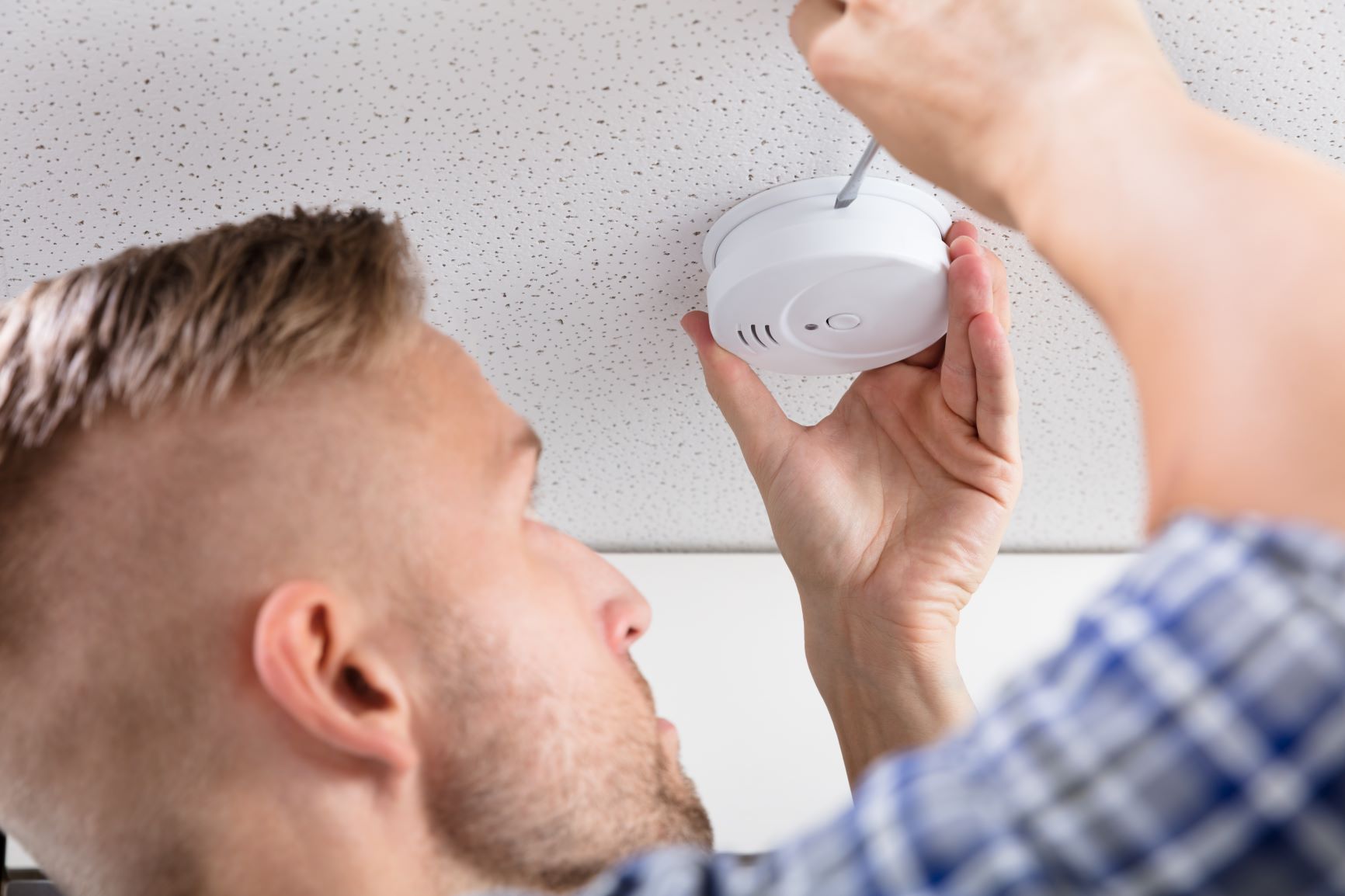
It’s a subtle change, not usually a dramatic malfunction. The detector might appear to be working perfectly, but its ability to detect dangerous levels of carbon monoxide might be compromised, leaving your home vulnerable.
So, when we talk about replacement, we're not just swapping out a power source. We're talking about the entire unit, its very heart and soul, reaching the natural end of its designed lifespan.
"Your CO detector is like a seasoned detective; after years on the beat, even the best need to pass the torch."
Finding Your Detector's Secret Timeline
So, how do you uncover this important retirement date for your CO detector? It’s surprisingly simple, often hidden in plain sight, much like a secret message from your home’s guardian.
Most carbon monoxide detectors have their "born on" or manufacturing date printed clearly on the back. You might find it as a sticker, a stamped number, or even molded directly into the plastic casing.
You’ll likely need to carefully unmount the detector from the wall or ceiling to get a good look. Grab a small flashlight and maybe a step stool, and prepare for a quick little treasure hunt.
Once you find the manufacturing date, look for additional instructions, often stating something like "replace X years after date of manufacture." This "X" is usually 5 to 7 years, depending on the model.
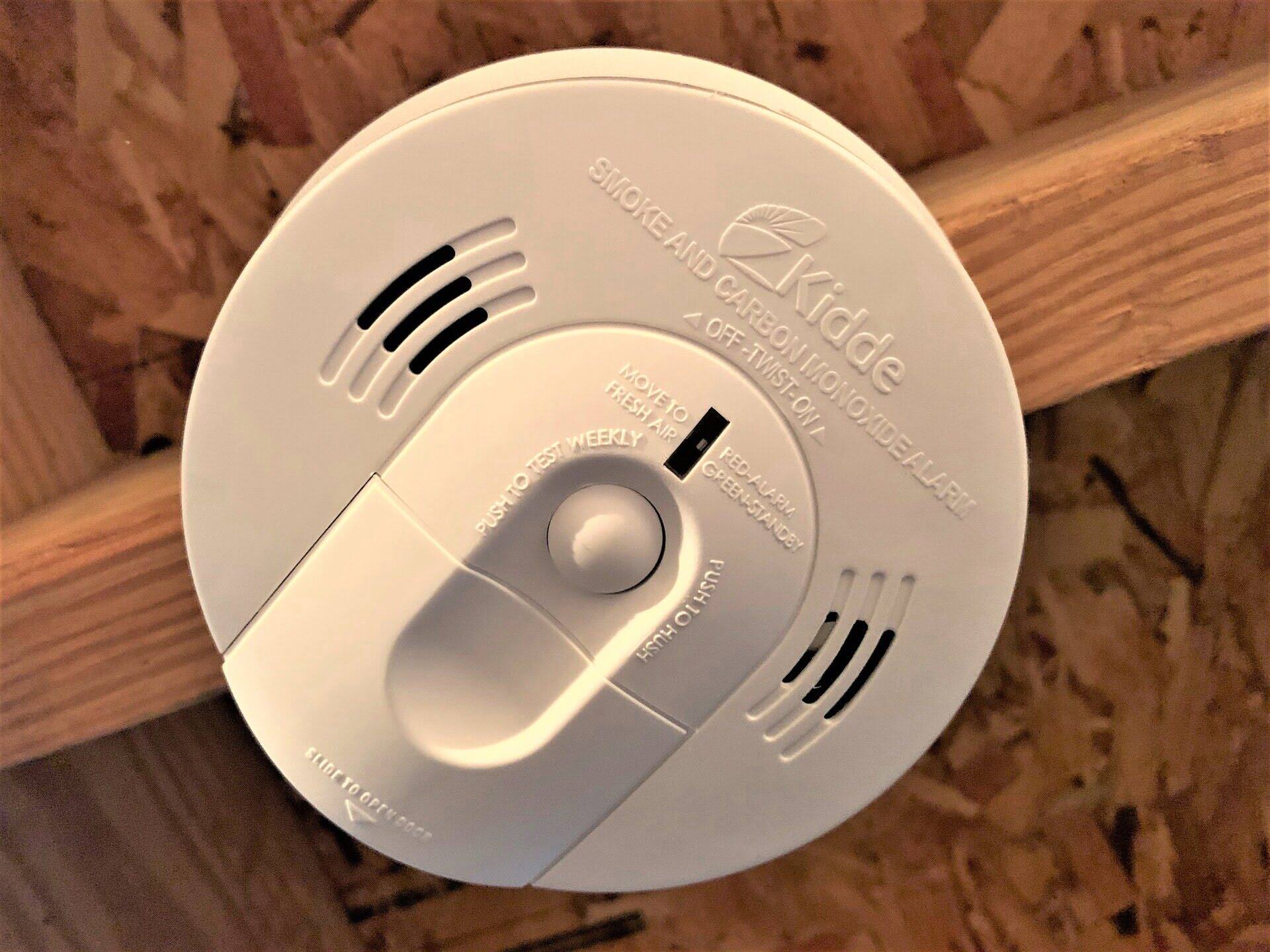
This little date is your detector's personal timeline, its quiet whisper about when its watch should end. Finding it is like deciphering a crucial code for your home's ongoing safety.
The Dignified Retirement: What Happens Next?
When a carbon monoxide detector reaches its expiration date, it doesn't necessarily stop working entirely. It simply means its ability to detect CO at the precise, life-saving levels it's designed for may have diminished.
Continuing to use an expired detector is a bit like driving with worn-out tires – they might look okay, but they won't perform when you need them most. It's a silent risk, a gamble you simply don't want to take with your family's safety.
Replacing an expired unit is less about a dramatic failure and more about maintaining optimal protection. It’s about ensuring your home's first line of defense is always operating at its peak vigilance.
It's a small act that pays an enormous dividend in peace of mind. You're not just swapping out a piece of plastic; you're renewing your commitment to a truly safe living environment.
Making Replacement a Fun Ritual
So, how can we transform this critical safety task into something less forgettable, perhaps even a little fun? Let’s connect it to existing routines, making it a seamless part of home care.

Consider linking your CO detector check to other seasonal home maintenance, like when you change air filters or clean your gutters. Or, even better, tie it to the familiar ritual of changing clocks for daylight saving time.
Make it a family safety scavenger hunt! Challenge the kids to find the "secret date" on the back of each detector in the house. The person who finds the oldest "detective" gets to help choose the new one.
You could even create a special "Safety Superheroes Day" once a year. On this day, everyone helps inspect all the safety devices in the home, turning a chore into an engaging family activity.
By making it a regular, even anticipated, event, you transform a potentially overlooked task into a proactive and positive commitment to your household’s well-being. It becomes a quiet celebration of safety.
The Heartwarming Payoff: Peace of Mind
At the heart of replacing your carbon monoxide detector lies something deeply heartwarming: the profound sense of protection it provides. It’s an investment in the safety and security of everyone under your roof.
Carbon monoxide, often called the "silent killer," is a truly insidious threat because it’s invisible, odorless, and tasteless. Your CO detector is the only true guardian against this unseen danger.

Knowing that you have vigilant, up-to-date detectors standing watch allows you to breathe a little easier. It’s a silent promise that your home is equipped with the very best defense against an insidious threat.
This peace of mind extends beyond just knowing the device works; it’s about the underlying care for your loved ones. It’s a testament to creating a home where safety is never compromised.
It's a small investment for an immeasurable return, a quiet act of love that speaks volumes. You're not just buying a gadget; you're buying continued assurance and protection.
Don't let your silent heroes get tired! Take a moment this week to check the dates on your carbon monoxide detectors. Give your old, faithful guardians a dignified retirement.
Welcome new, vigilant protectors into your home, ensuring they are always ready for their vital duty. It’s a simple act, a quick check, but it’s a powerful statement of care and foresight.
So, the next time you walk past that little device on the wall or ceiling, give it a knowing nod. It's doing important work, and now you know its secret. Remember to check its retirement plan, and keep your home truly safe!