
How Often Should Carbon Monoxide Detectors Be Replaced

Ah, the modern home. Full of gadgets and gizmos. We have smart lights. We have robot vacuums. And then there are those quiet guardians, lurking in the background. Not the smoke alarm, mind you. That one usually makes its presence known with shrill beeps about burnt toast.
No, I'm talking about the other silent sentinel. The carbon monoxide detector. That little box or plug-in thing. It just sits there. Quietly doing its job. Or, at least, we hope it's doing its job.
Here's my playfully "unpopular" opinion: when was the last time you thought about replacing it? Be honest. Like, really honest. Did you just shrug? Is there a tumbleweed blowing through your brain right now?
Must Read
We're great at changing batteries in smoke alarms. Mostly because they yell at us until we do. But the carbon monoxide detector? It's the shy one. The introverted hero. It doesn't demand attention. And because it doesn't, we often give it none.
Many of us probably treat our carbon monoxide detectors like they're immortal. Like a fine wine, getting better with age. Or perhaps, like a houseplant you forget to water, but it somehow survives on sheer willpower. Spoiler alert: they are not immortal.
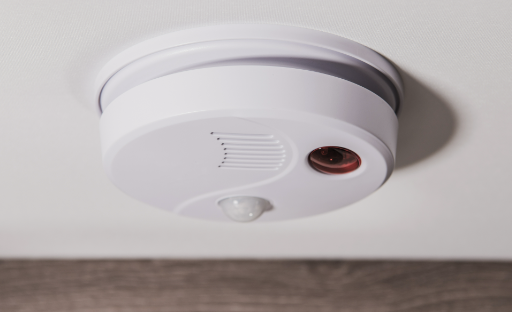
Manufacturers, those clever folks, actually put an expiration date on these things. Yes, an expiration date! Just like that yogurt you found at the back of the fridge. Only, the consequences of ignoring this one are a tad more serious than a sour snack.
Finding this date is often an adventure. It's usually tucked away. On the back. In tiny print. You might need a flashlight. Maybe a magnifying glass. Perhaps even a small archaeological dig toolkit. It's like finding a secret message from the past.
You tilt it. You squint. Is that a '5'? Or an 'S'? Is it 2019? Or 2029? The mystery deepens. It becomes a personal quest. A home maintenance treasure hunt. And when you finally decipher it, a wave of realization might wash over you.

"Oh, right. That date was three years ago. Oops."
See? You're smiling. Because you've probably had this exact thought. It’s okay. You’re not alone. This is the universal truth of the carbon monoxide detector. It's the home safety item we all know we should replace, but rarely do until something prompts us. Like, say, reading a very entertaining article.
Most experts suggest replacing them every 5 to 7 years. Some models boast 10 years. But who keeps track? Did you mark it on a calendar? Did you etch it into stone tablets? Probably not. You probably installed it, gave yourself a pat on the back, and then promptly forgot all about it.

It's the ultimate set it and forget it item. But unlike a slow cooker, which will eventually remind you with delicious smells, the carbon monoxide detector just... waits. Patiently. Silently. Hoping you remember its expiry before it becomes truly expired.
Let's be real. If our CO detectors screamed "REPLACE ME!" every few years, we'd be all over it. We'd probably have a new one within the hour. But their quiet, unassuming nature is their biggest downfall when it comes to regular maintenance.
So, here's my challenge. My gentle nudge. My super-secret, not-so-unpopular opinion: go look at your carbon monoxide detector. Right now. Seriously. Stand up. Grab a step stool. Find that elusive expiration date.
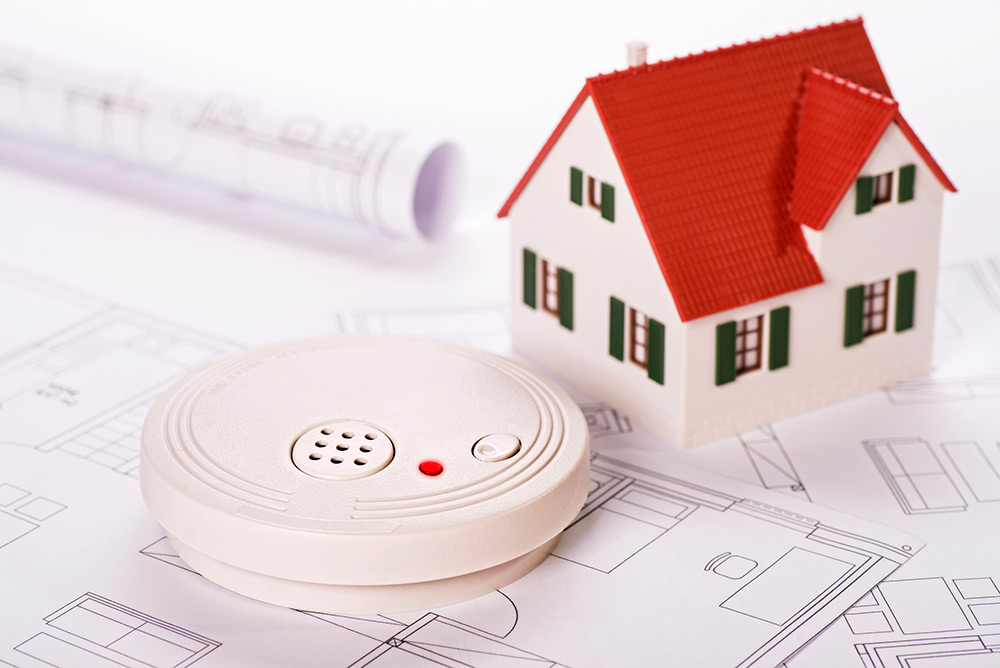
It might be an awkward climb. You might dust off a few cobwebs. But the peace of mind? Knowing that your little silent guardian is still truly guarding? That's priceless. Or, discovering it's past its prime and getting a new one is even more priceless. Because a working detector truly is a silent killer deterrent.
Think of it as giving your old detector a well-deserved retirement. It's worked hard. It's sat there. It's quietly observed your life for years. Now it's time for a new recruit to take its place. A fresh face. A new carbon monoxide-sniffing hero for your home.
So, go forth! Check that date! You might just be the hero your home deserves. And you get to feel all responsible and adult-like. High five!