
How Often Do You Need To Pump A Septic Tank
Alright, let’s talk about something that’s probably not the star of your dinner table conversation, but is absolutely crucial for a happy home: your septic tank! Now, before you mentally check out, hear me out. This isn’t going to be a dry, technical lecture. We’re going to dive into the wonderful world of waste management with a smile, a little chuckle, and maybe even a dash of playful exaggeration. Because when it comes to keeping your septic system purring like a contented kitten, knowing how often to pump it is pure gold!
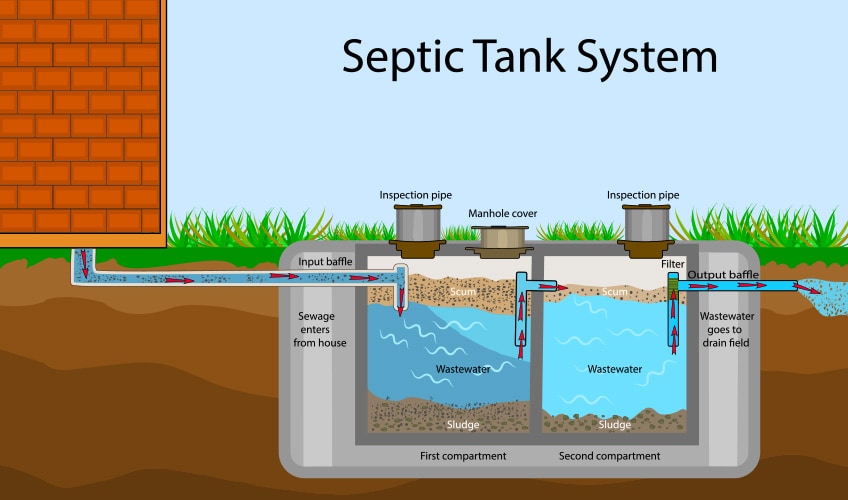
Imagine your septic tank as the unsung hero of your household, a tireless digestive system working behind the scenes. It takes all the stuff that goes down your drains – the showers, the flushes, the dishwashing – and magically separates the solids from the liquids. Those little microscopic critters in there are truly the hardest workers you've never met! But even the most dedicated heroes need a little help now and then, right?
So, How Often Do You Really Need to Pump That Bad Boy?
This is the million-dollar question, and frankly, it doesn't have a one-size-fits-all answer. It’s a bit like asking how often you need to water a plant – it depends on the plant, the pot, and the weather! But fear not, we're going to give you some fantastic pointers to become a septic system savant.
Must Read
The general golden rule, the whisper from the septic gods, is to aim for a pump every three to five years. Yes, you read that right, not every month, not every year, but typically in that lovely range. However, some things can make that timeline wiggle like a jelly on a trampoline.
The Super Duper Important Factors That Affect Pumping Frequency
Let's break down what makes your tank say, "Hey, I need a spa day!" sooner or later:

1. Your Household Size: The More the Merrier (and the Busier the Tank!)
Think of it this way: a single person living in a house is like a gentle drizzle on your tank. A bustling family of five, complete with teenagers who love epic, hour-long showers? That’s more like a hurricane! The more people using water and flushing things, the faster your tank fills up with solids. A busy house means a busy septic system, and a busy system needs more frequent pumping. It’s just simple math, folks!
"More people, more flushes, more pumping fun!"
2. Water Usage Habits: Are You a Water Sipper or a Water Guzzler?
This ties into household size but also how you use water. Do you have low-flow toilets and showerheads? Are you conscious about running the dishwasher only when it’s packed to the brim? Or do you leave the faucet running while you brush your teeth and enjoy super-long bubble baths every night? Excessive water usage might not add more solids, but it pushes liquids through faster, potentially stirring up solids and sending them into your drain field, which is a big no-no. So, be mindful of your water footprint – your septic tank will thank you!
3. Septic Tank Size: Is It a Mini-Fridge or a Walk-In Cooler?
Naturally, a smaller septic tank is going to reach its capacity quicker than a massive one. If your tank is on the smaller side (common in older homes), you might find yourself needing to pump every two to three years, especially if you have a larger family. It’s all about volume, baby!
4. The Dreaded Garbage Disposal: Your Septic Tank’s Arch-Nemesis!
Oh, the convenience of the garbage disposal! It’s great for getting rid of those last bits of food from your plate. But here’s the kicker: your septic tank hates them. Seriously! Food waste takes much longer to break down than human waste, and it adds a significant amount of solids and grease to your tank. If you’re a heavy garbage disposal user, you should probably be on the more frequent end of that three to five year pumping schedule, maybe even closer to every year or two. Consider composting or scraping plates into the trash instead – your septic system will literally sigh with relief.
Signs It's Time to Call the Septic Heroes (Before Disaster Strikes!)
Your septic tank is generally pretty chill, but it will give you some subtle (and not-so-subtle) hints when it’s feeling full and needs attention. Don’t ignore these whispers from the underground:

- Slow Drains: If your sinks, showers, and toilets are draining slower than a sloth on vacation, it might not just be a clog. It could be your septic system saying, "I'm full!"
- Foul Odors: A sudden whiff of something truly unpleasant, either inside your house or around your drain field (that grassy area where your septic system filters liquid waste), is a giant red flag. Trust your nose on this one!
- Gurgling Sounds: Are your toilets making strange gurgling noises after flushing? This could indicate a backup or a full tank trying its best to push things along.
- Standing Water: Puddles of smelly water near your septic tank or in your drain field? That’s a serious alarm bell. It means the system is overloaded and liquid waste is seeping to the surface. Yikes!
- Lush Green Grass: While a vibrant green lawn is usually a good thing, unusually lush or greener-than-average grass specifically over your drain field could mean it’s getting extra "fertilizer" from an overflowing system. Again, yikes!
Ignoring these signs is like ignoring a leaky roof – it’s only going to get worse (and way more expensive!) in the long run. Regular pumping is your best defense against a septic catastrophe that no one wants to experience.
The Takeaway: Be a Proactive Septic Owner!
So, the moral of this fun little story? Don't wait for your septic tank to start having a meltdown before you give it some love. Regular pumping, typically every three to five years (adjusted for your specific situation), is the key to a happy, healthy, and odor-free home. It prevents costly repairs, extends the life of your system, and keeps those tiny waste-devouring critters doing their amazing work without getting overwhelmed.
Think of it as routine maintenance for your home's most humble, yet vital, appliance. A little preventative care goes a long, long way. Now go forth, armed with this knowledge, and give your septic tank the respect and attention it deserves!
