
How Often Do You Have Your Septic Tank Pumped

Okay, let's talk about something that maybe, just maybe, isn't your usual dinner party conversation starter. We're diving deep into the fascinating, mysterious, and surprisingly fun world of your septic tank. Yes, I said fun! Because understanding your home's hidden hero is actually pretty cool.
You’ve got one, right? If you’re not hooked up to city sewers, then you’re a proud member of the septic club. And with that membership comes a fundamental question: how often do you have that bad boy pumped?
The Big, Gurgling Question
Forget the scary movie monsters. The real subterranean mystery is what’s happening beneath your lawn. Your septic tank is a mini wastewater treatment plant, right there in your yard. It’s digesting, separating, and generally doing the dirty work so you don’t have to. But even superheroes need a little help now and then. So, what’s the magic number?
Must Read
Spoiler alert: there isn’t one universal answer. Shocking, right? But that’s what makes it so interesting! It’s like a personalized plumbing puzzle. Let's break down the quirky factors that dictate your tank's tummy rumblings.
Who's Living in Your Loo? (And How Many!)
This is probably the biggest factor. Think about it: a single person living in a mansion will treat their tank very differently than a family of six with three teenagers who take marathon showers. More people means more… well, stuff… going into the tank. More flushes, more dishes, more laundry. It’s basic math, really. A bustling household could need pumping every two to three years. A solo dweller? Maybe every five years or even longer.
So, take a headcount! Every warm body under your roof adds to the septic tank's workload. Even your furry friends contribute indirectly, with all those extra loads of pet laundry!
The Size of Your Silent Guardian
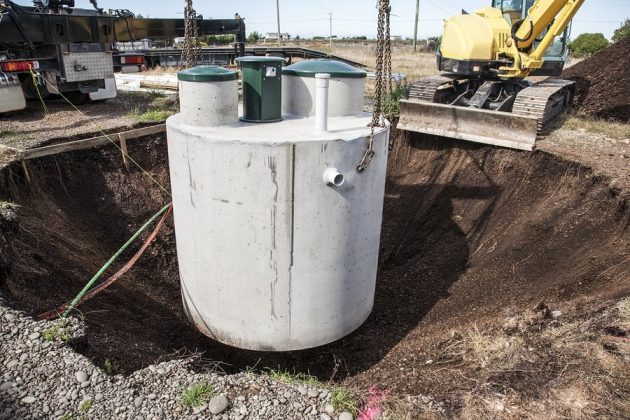
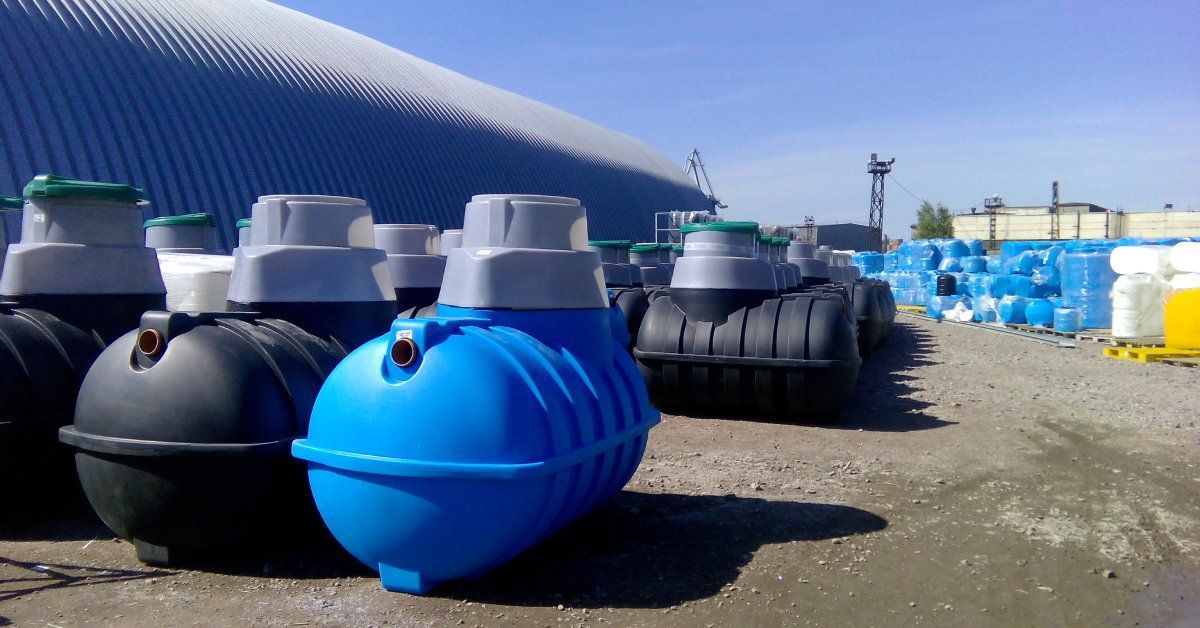
Just like people, septic tanks come in different sizes. A larger tank has more capacity, which means it can hold more solids and liquids before it needs to be emptied. Simple, yet crucial. If you've got a dinky 750-gallon tank, it'll fill up faster than a mighty 1,500-gallon beast. Knowing your tank's capacity is like knowing your car's fuel tank size – it tells you how far you can go before a refill. Or, in this case, a pump!
Water, Water, Everywhere?
Are you a water miser or a water warrior? Your water usage habits have a direct impact. Long, hot showers? Multiple loads of laundry daily? Dishwasher running twice a day? All that water has to go somewhere. While the liquid eventually disperses into the drain field, excessive water can stir up the solids in your tank, sending them into places they shouldn't go, or simply reducing the effective holding time for the solids to settle.
Every drop counts, my friend. Being mindful of your water use isn't just good for the environment; it’s good for your septic tank's digestion and could stretch out the time between pumps!
The "What Not to Flush" Fun List
This is where it gets interesting, and frankly, a little gross. Your septic tank is a delicate ecosystem of bacteria. These microscopic munchers are the true heroes, breaking down waste. But throw them a curveball, and things go haywire.
- "Flushable" Wipes: NEWSFLASH! They are NOT flushable. They tangle, they clog, they laugh in the face of your hardworking bacteria.
- Grease and Oils: Down the drain? Nope! They solidify, creating nasty clogs and suffocating your helpful bacteria. Think of it as giving your tank a heart attack.
- Harsh Chemicals: Bleach, pesticides, strong drain cleaners – these are like nuclear bombs to your bacterial army. They kill the good guys, leaving your tank unable to process waste effectively.
- Coffee Grounds, Eggshells, and Food Scraps: While some things decompose, your septic system isn't a compost pile. These can add to the sludge layer too quickly.
Basically, if it didn't come out of your body (and isn't toilet paper), it probably shouldn't go into your tank. Treat your septic system like a precious, grumpy pet. Feed it right, and it will be happy.

So, What's the "Average"?
Alright, alright, if you're twisting my arm for a general guideline, most experts recommend pumping your septic tank every three to five years. This is for your average household with an appropriately sized tank and responsible habits. But remember, this is just a starting point!
Think of it like getting your car's oil changed. There's a recommendation, but if you're off-roading every weekend, you might need it sooner, right? Same principle for your subterranean friend.
Signs Your Septic Tank is Crying for Help (or Yelling!)
Your tank might be silent, but it has ways of communicating. Learn its secret language!
- Slow Drains: Are your sinks and showers taking forever to empty? This is a classic "I'm full!" signal.
- Gurgling Toilets: A toilet that gurgles after flushing is not happy. It's the sound of air pushing past a blockage or a very full tank.
- Nasty Odors: A sudden whiff of sewage, especially near your tank or drain field, is a giant, smelly red flag.
- Puddles in the Yard: If there's standing water or unusually lush, green grass (even in a drought!) over your drain field, it means sewage is surfacing. This is a major emergency. Call a professional ASAP!
Don't ignore these pleas! A little preventative pumping is far, far cheaper and less traumatic than a full-blown septic backup. Trust me on this one. You do not want the brown tsunami in your bathtub.
Why Bother? The Upsides of Septic Smarts
Beyond avoiding a total disaster, being on top of your septic pumping schedule has huge perks. It prolongs the life of your entire system, especially your expensive drain field. It keeps everything running smoothly, silently, and odor-free. And honestly? There’s a quiet satisfaction in knowing you’re a responsible homeowner, taking care of the unseen, yet crucial, parts of your abode.
So, next time you think about your septic tank, don't just shudder. Give a little nod of appreciation to the hardworking bacteria and the ingenious engineering beneath your feet. And if you can't remember the last time it was pumped, well, maybe it's time to make a new friend: a septic professional! They'll tell you exactly what your tank needs. Happy flushing!