
How Often Do You Have To Pump Your Septic Tank

Ah, homeownership. It's a beautiful journey filled with dreams, DIY projects, and the occasional, shall we say, less glamorous topic. Today, we're diving headfirst into one of those unsung heroes of your household: the septic tank. Specifically, we're tackling the age-old question that keeps many a homeowner wondering, "How often do I actually have to pump this thing?"
Fear not, fellow dwelling-dweller! While it might not be as exciting as choosing paint colors or planning a backyard BBQ, understanding your septic system is crucial for a happy, healthy home. Think of it as the silent guardian of your backyard, quietly doing its vital work.
The Big Question: What's the General Rule of Thumb?
Let's cut to the chase. For most households, the general recommendation is to have your septic tank pumped every 3 to 5 years. Yes, you read that right. It’s not an annual affair like taxes (phew!), nor is it a once-in-a-lifetime event like buying your first car. It falls somewhere in that sweet spot of periodic maintenance, much like getting your teeth cleaned or changing your car's oil.
Must Read
This 3-5 year window is a fantastic starting point, but like most things in life, there's a bit of nuance involved. Your unique circumstances will dictate where you fall on that spectrum.
Why the Range? Factors That Influence Your Pumping Schedule
Your septic system isn't a one-size-fits-all kind of deal. Several key factors play a role in how quickly that tank fills up with all the unsavory bits that need to be removed. Understanding these can help you fine-tune your schedule.
Household Size and Occupancy
This one's a no-brainer. A single person living alone will produce far less wastewater than a bustling family of five, complete with teenagers who enjoy hour-long showers. More people generally means more waste, and thus, a more frequent pumping schedule.

Septic Tank Size
Just like bathtubs, septic tanks come in various capacities. A larger tank can simply hold more effluent before it needs emptying. If you're unsure of your tank's size, it's a great piece of information to uncover during your next inspection.
Water Usage Habits
Are you a frugal water user, or do you love marathon laundry days and long, luxurious baths? Excessive water usage, especially in a short period, can push solids into your drain field, reducing its efficiency and potentially shortening the time between pumps. Think mindful consumption, not just for the environment, but for your septic system!
What You Flush (or Don't Flush!)
This is arguably one of the most critical factors. Your septic tank is designed to handle organic waste and toilet paper. That's it. Anything else—wet wipes (even the "flushable" ones, which are often anything but), grease, coffee grounds, cat litter, feminine hygiene products, cigarette butts, harsh chemicals, medications—can wreak havoc. These items don't break down properly, causing sludge to build up faster and potentially damaging your system. Think of your toilet as a highly specialized waste disposal unit, not a magical bottomless pit.
Red Flags: Signs Your Septic Tank Might Be Crying for Help
Sometimes, your septic system will give you a little heads-up that it's nearing its capacity. Pay attention to these distress signals:
- Slow drains or gurgling toilets: This is often the first subtle hint. If water is taking its sweet time to disappear, or your toilet sounds like it's having a conversation, it might be time for a check-up.
- Foul odors: A persistent sewage smell, either inside your house or near your septic tank/drain field, is a definite red flag. Your nose knows!
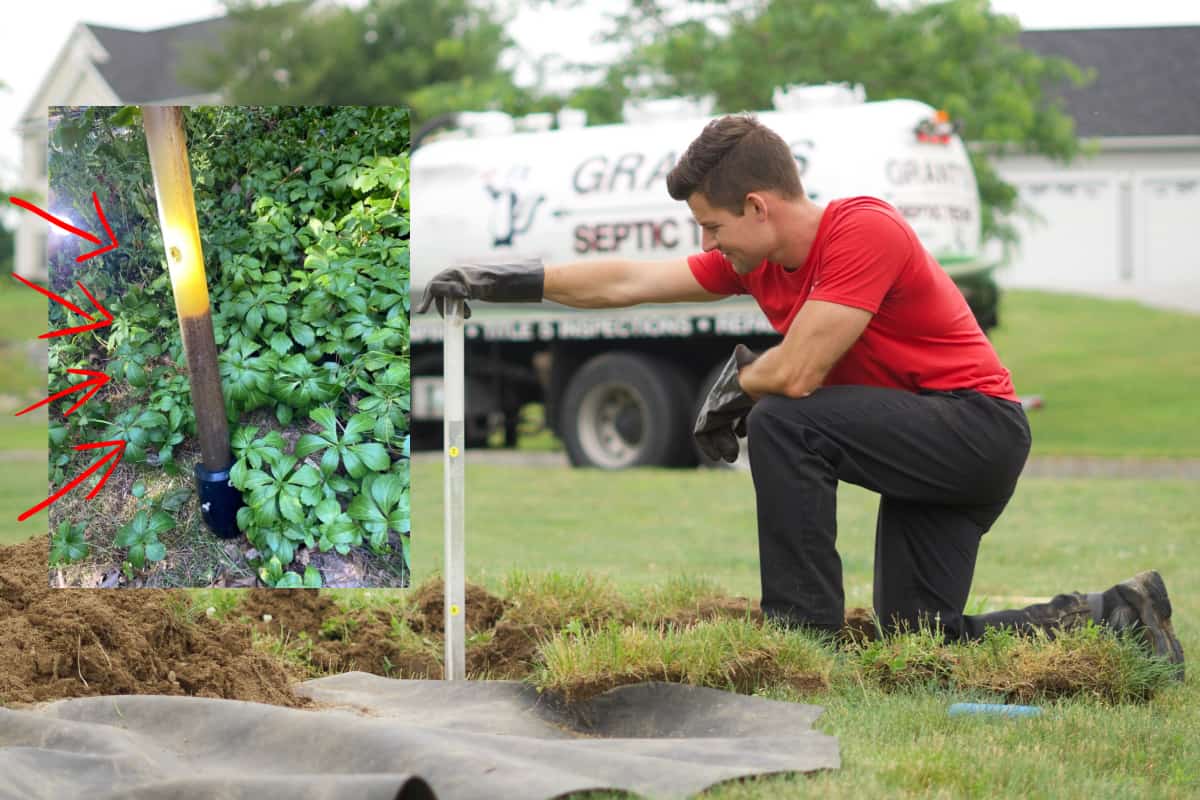
- Soggy spots or lush, green grass: If there are unexplained puddles or unusually vibrant patches of grass above your drain field, it could indicate an overflow or a failing system.
- Sewage backup: This is the ultimate nightmare scenario and a clear sign that you've waited too long. Don't let it get to this point!
Practical Tips for a Happy Septic System (and a Happy Homeowner!)
Keeping your septic system in tip-top shape is easier than you think. It's all about consistent, mindful habits.
1. Get Regular Inspections: Even if you're not due for a pump, a professional inspection every few years can catch small issues before they become expensive headaches. Think of it as a preventative health check for your home.
2. Be Mindful of Water: Spread out your laundry loads. Take shorter showers. Fix leaky faucets. Reducing the overall volume of water entering your system gives it more time to process solids effectively.
3. Watch What You Flush: We can't emphasize this enough! If it's not human waste or toilet paper, into the trash it goes. Your septic tank (and your wallet) will thank you.
4. Know Your System: Locate your tank and drain field. Keep heavy vehicles, structures, and large trees away from these areas. Tree roots are notorious for seeking out moisture and can infiltrate your system.

5. Mind Your Cleaning Products: Harsh chemicals like bleach, drain cleaners, and antibacterial soaps can kill the beneficial bacteria in your tank that help break down waste. Opt for septic-safe, biodegradable cleaners.
The Unsung Hero
While discussing septic tanks might not be prime dinner party conversation, taking good care of yours is truly an act of responsible homeownership. It’s like ensuring your Wi-Fi is strong or your coffee maker is clean – it contributes to the smooth, seamless flow of your daily life, often in the background, until something goes wrong. Imagine the Roman Empire, with all its grandeur, and you realize advanced wastewater management has always been crucial for comfortable living!
So, the next time you hear a gurgle or notice a slow drain, remember your faithful septic system. A little proactive care, a dash of mindfulness, and a timely pump appointment are all it takes to ensure this underground MVP keeps humming along, giving you the ultimate gift: peace of mind and a smoothly running home. Because really, isn't that what we all want?