
How Often Do You Have A Septic Tank Pumped
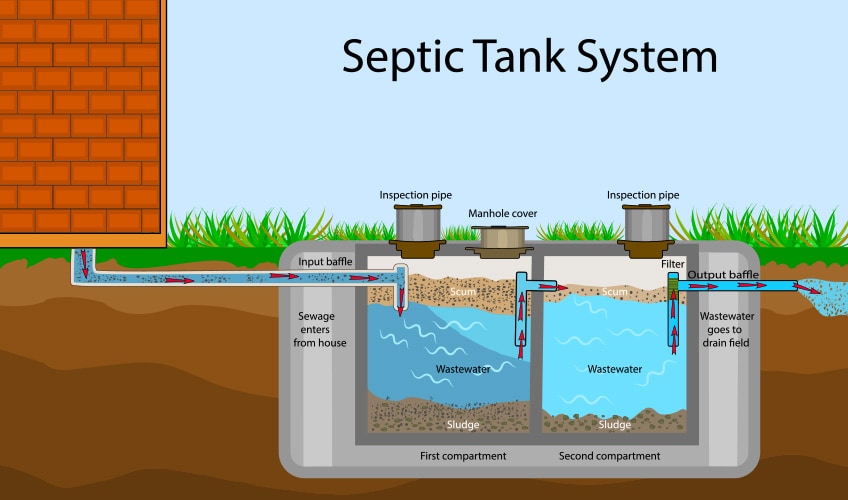
Deep beneath many a beautiful country home, quiet and out of sight, lurks an unsung hero. It's not a mythical beast or a hidden treasure, but something far more practical and equally vital: your septic tank. This humble underground workhorse tirelessly processes your household's wastewater, a truly thankless job.
For many who live with one, the septic tank remains a bit of a mystery. It’s a silent partner in daily life, humming along (not literally, thankfully!) without much thought until, well, it demands attention. Then comes the big question, often whispered with a hint of trepidation: "How often do you actually have to pump that thing?"
The Great Septic Pumping Mystery Unveiled
If you thought there was a simple, one-size-fits-all answer, prepare for a gentle plot twist. The truth is, it's a bit like asking how often you need to water your houseplants. It completely depends! A tiny succulent sips occasionally, while a thirsty fern gulps daily. Your septic system is much the same.
Must Read
The frequency of pumping isn't set in stone by some ancient, immutable law of plumbing. Instead, it’s a living, breathing schedule dictated by a few surprisingly common-sense factors. Understanding these can turn the mystery into a moment of enlightened homeownership.
It's All About the Folks in Your Fort
Imagine a bustling household, alive with the pitter-patter of tiny feet, the splash of teenage showers, and the endless whir of laundry machines. More people naturally mean more water going down the drain, more waste being processed, and consequently, a faster accumulation of solids in your tank.
A family of five, with two kids who love epic bath battles and a parent who works from home, will likely need their tank pumped more frequently than a single individual living quietly in a small cottage. It’s simple arithmetic, really: more inhabitants, more activity, more often.
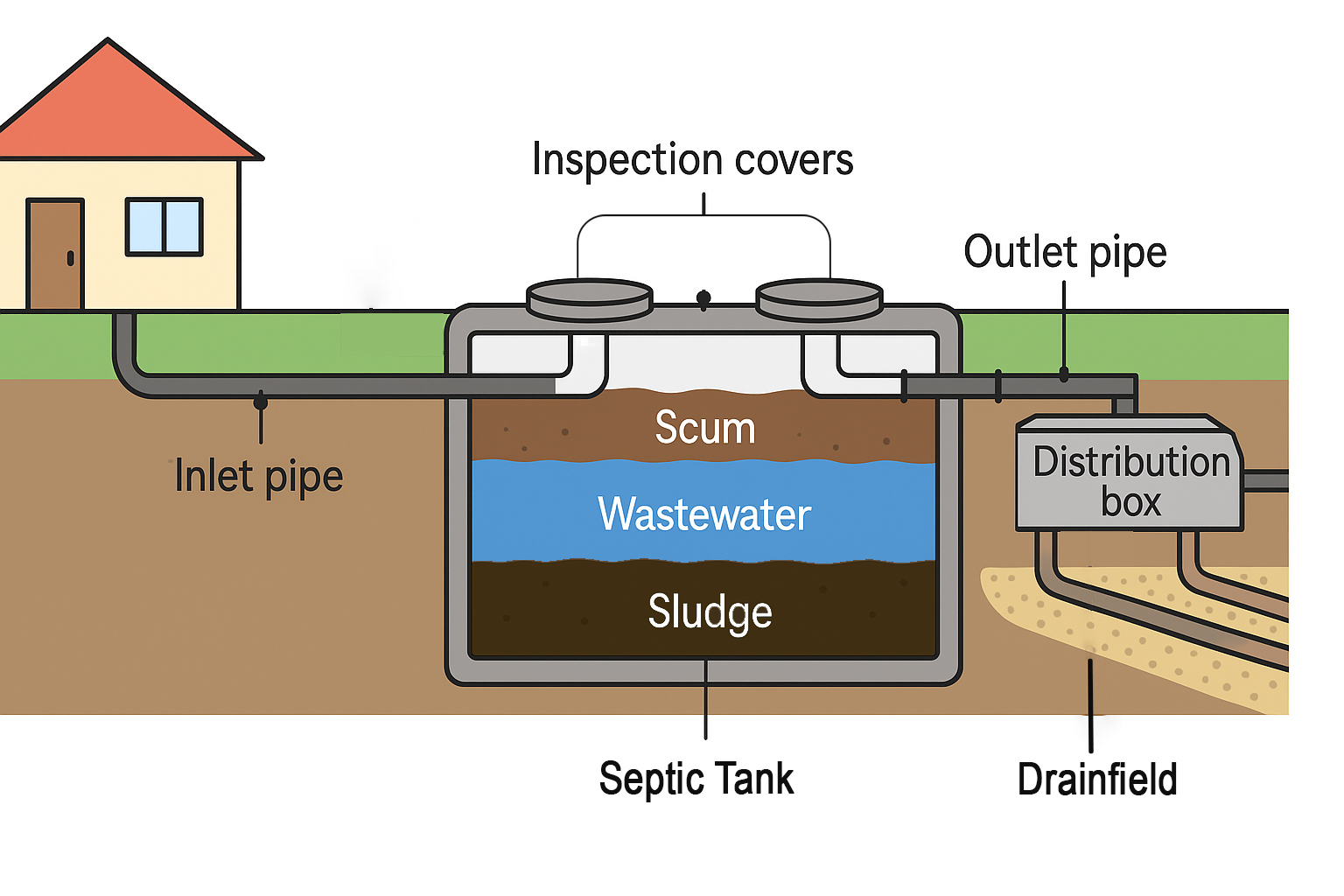
Think of it as filling a jar. A busy family is like pouring water quickly from a big pitcher. A solo dweller is like a slow drip from a leaky faucet. Both fill the jar, but at very different rates. Your septic tank is that jar, patiently waiting.
Size Matters, But Not How You Might Think
Another key player in our septic saga is the size of the tank itself. A larger tank, naturally, has more capacity to hold solids before it needs to be emptied. It’s like having a bigger pantry; you can stock up on more groceries before needing another trip to the store.
However, don't confuse tank size with house size. A sprawling mansion might have a smaller tank than a modest home if the original installation was done many years ago with different assumptions. Always good to know your tank's specifications!
The Hidden Habits of Your Home
Beyond the number of people, your household habits play a surprisingly significant role. Are you a minimalist with water usage, or do you enjoy long, luxurious showers daily? Do you meticulously scrape plates before rinsing, or do food scraps often find their way down the kitchen drain?
Even what you flush or pour can impact the tank’s fill rate. Excessive use of garbage disposals, harsh chemicals, or flushing non-biodegradable items (we're looking at you, "flushable" wipes!) can disrupt the delicate balance within and speed up the need for a pump. It's all about being a good neighbor to your underground friend.
"Treat your septic system kindly, and it will return the favor with years of trouble-free service."
The Sweet Spot: A General Guideline (with a Pinch of Salt)
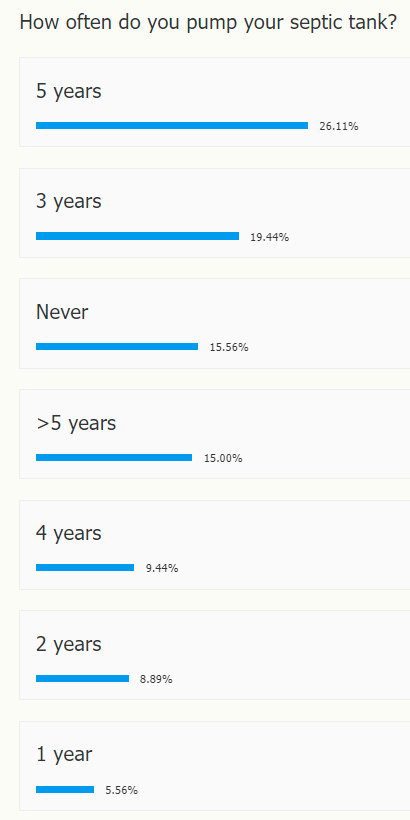
So, while there's no magic number, many experts suggest that for an average household of 2-4 people with a properly sized tank, pumping every three to five years is a good general guideline. This often comes as a surprise to those who think it's an annual dreaded event, or conversely, a once-in-a-lifetime chore!
But remember, this is a starting point, not a strict rule. Your unique family dynamics and home's rhythm will ultimately set the true pace. It’s a dance between your lifestyle and your subterranean system.
Signs Your Septic Tank Might Be Sending S.O.S. Signals
Sometimes, your septic tank will try to tell you it's time for a visit from the pumper. These aren't always dramatic, movie-esque eruptions (thank goodness!). Often, they are subtle whispers that, once you know what to listen for, become clear.
Slow drains, gurgling noises from your plumbing, or even an unusual patch of lush, green grass over your drain field could be subtle clues. And, of course, the unmistakable scent of sewage lingering around your property is a pretty strong indicator that it's time to call in the cavalry.
Catching these signals early can save you a lot of headache, and potentially, a lot of money. It’s about listening to your home, understanding its needs, and taking proactive steps.
The Septic Pumper: An Unsung Hero
Let's take a moment to appreciate the true heroes of this story: the septic pumpers. These are the folks who arrive with their impressive trucks, roll up their sleeves, and tackle a job many would shy away from. They ensure our systems keep running smoothly, often without a complaint or a grimace.
They are the quiet guardians of our underground infrastructure, keeping our homes healthy and our environments clean. A friendly pumper once told me, with a twinkle in his eye, that he sees himself as a "sewage sommelier," discerning the unique characteristics of each tank.

Building a relationship with a good local septic service is invaluable. They often keep records, offer maintenance tips, and can become a trusted advisor in the surprising world of wastewater management. They truly make the unpleasant, well, less unpleasant.
A Little Love for Your Underground Buddy
Ultimately, knowing how often to pump your septic tank isn't just about avoiding a messy situation. It's about maintaining a healthy home, protecting your property's value, and being a responsible steward of the environment. It's a small act of kindness for your home's most hardworking, unseen system.
So next time you're enjoying the comforts of your home, spare a thought for that silent, hardworking hero beneath your lawn. Give it the attention it deserves, and it will continue to serve you faithfully, quietly, and efficiently for years to come. It truly is a surprisingly heartwarming tale of diligent underground service.
Embrace the journey of understanding your septic system. It's not just a tank; it's a vital component of your home's well-being, deserving of respect and regular, thoughtful care. And isn't that a lovely, if slightly quirky, thing to love about your home?