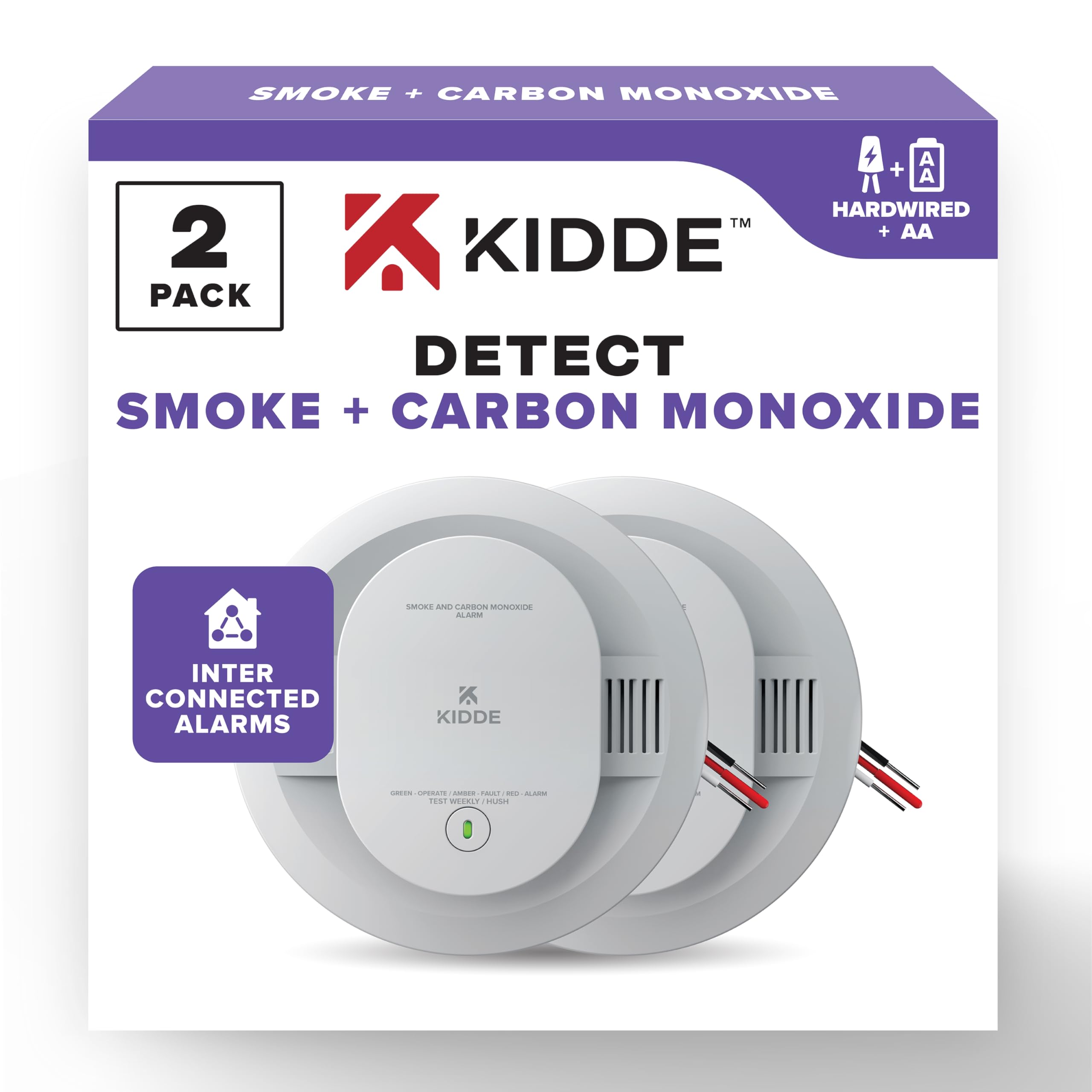
How Often Do You Change Carbon Monoxide Detector

Alright, let's talk about something super important but often relegated to the "uh-oh, I probably should've done that" list: your carbon monoxide detector. Sounds boring, right? Wrong! We're about to turn this household chore into a fascinating little deep dive, packed with quirks and maybe even a few laughs. Because safety can be fun, people!
Imagine a silent, invisible ninja. Not a cool, acrobatic one, but a sneaky, dangerous one. That's carbon monoxide (CO) for you. It's odorless, colorless, tasteless – basically, it’s the ultimate sneak attack. And that’s why your CO detector is less of an appliance and more of a tiny, vigilant superhero with a super-sensitive digital nose. It’s always sniffing around, protecting you from that sneaky gas. Pretty cool, right?
The Big Question: How Often Does Our Hero Need a Vacation (or Retirement)?
Here’s the golden rule, the whispered secret, the answer to the universe (okay, maybe just this specific universe): Most CO detectors have a lifespan of about 5 to 7 years. Yep, just like that trendy gadget you bought five years ago that now feels ancient. They don't last forever. Their internal components, their little digital brains, simply get tired over time.
Must Read
Think of it like this: your CO detector is constantly working, constantly on alert. It’s like a tiny, dedicated security guard pulling 24/7 shifts. Eventually, even the best security guards need to hang up their hat. The chemical sensor inside them, the part that actually detects CO, degrades naturally over half a decade or so. It’s not slacking off; it’s just naturally aging out of its prime.
Playing Detective: Finding the Expiration Date
So, how do you know when your CO detector is ready for retirement? Time for a little scavenger hunt! Grab a flashlight and carefully examine the back or side of your detector. You're looking for a "replace by" date or a "manufacture date." If it's a manufacture date, you'll need to do a tiny bit of math – just add five to seven years to that date. If you can’t find a date, or if the detector looks older than your last flip phone, it’s probably time to replace it. No shame in admitting you've had it forever – we've all been there!

This isn't just a suggestion; it’s a non-negotiable mission! A CO detector past its prime is like a superhero who’s lost their powers – looks the part, but can't save the day. Don't risk it! It's a small investment for peace of mind, knowing your digital nose is in tip-top shape.
That Annoying Chirp: Friend or Foe?
Ah, the chirp. The symphony of irritation that usually kicks in at 3 AM. Most of us associate it with a dying battery, and often that's true! But sometimes, that persistent little beep is actually your detector's way of telling you, "Hey! I'm done. My shift is over. Replace me!" It's the end-of-life signal, distinct from the battery warning (which usually has a longer pause between chirps). Listen closely; it might just be trying to tell you it's time for a new model.

Speaking of batteries, while we're on the subject of swapping out old for new, remember to change the batteries in your CO detectors at least once a year, even if they're hardwired. Think of it as an annual check-up for your superhero's backup energy source. A great time to do it? When you change your clocks for daylight saving. That's a classic move!
Where Do These Savvy Sniffers Belong?
You don't just need one. Oh no, our hero likes company! Install CO detectors on every level of your home, especially near sleeping areas. CO loves to spread, and you want detection coverage everywhere. Think of it like setting up multiple watchful eyes around your castle. And remember, don't place them right next to fuel-burning appliances (like your furnace or water heater), as they might give false alarms during normal operation. A little distance is key.
So there you have it! The not-so-secret life of your carbon monoxide detector. It's a tiny, mighty, often overlooked guardian. Giving it a fresh lease on life every 5-7 years, checking its batteries annually, and making sure it's in the right spot are simple steps that pack a huge punch for your family’s safety. Go on, give your CO detector a quick check. You might just feel like a household hero yourself!