
How Much Watts Does A Portable Ac Use
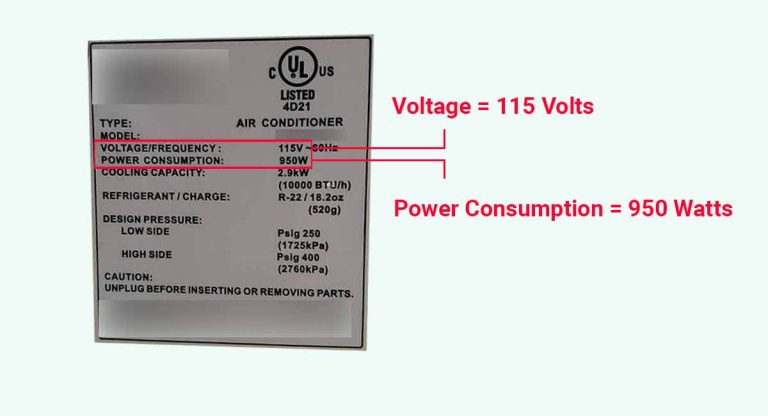
Okay, let's talk portable ACs. The heroes of summer for those of us who, ahem, disagree with central air (an unpopular opinion, I know!). But how much juice do these little lifesavers REALLY drink?
The Wattage Wild West
Trying to pin down a single number is like trying to herd cats. Portable ACs come in all shapes and sizes. And, surprise surprise, they use different amounts of electricity. We're talking a range, folks, a wide, wild range. Think anywhere from 700 watts to a whopping 1500 watts.
That's the equivalent of, like, seven to fifteen old-school light bulbs!Crazy, right?
Must Read
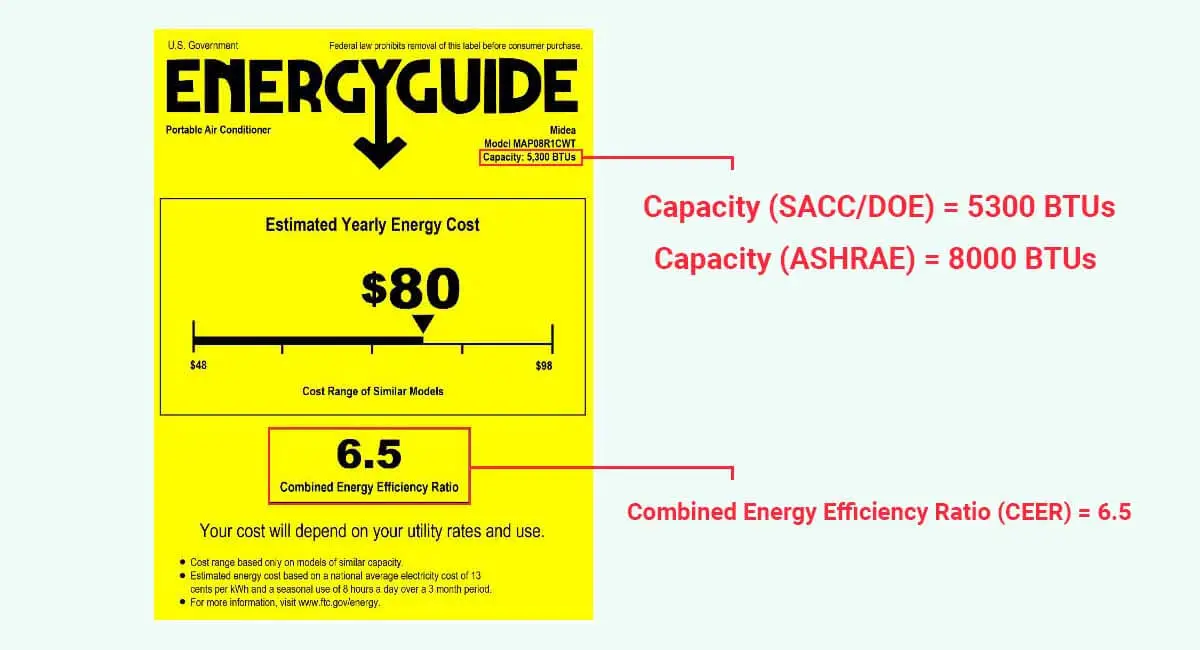
So, what makes the difference? Well, the biggest factor is BTU. British Thermal Units. The higher the BTU, the more powerful the AC, and guess what? The more watts it slurps up.
BTUs: The Power Behind the Cool
BTUs basically measure how well an AC can cool a room. A tiny room? A smaller BTU unit (and fewer watts) will do the trick. Trying to cool your entire apartment with a single portable AC? Prepare for a thirsty machine!
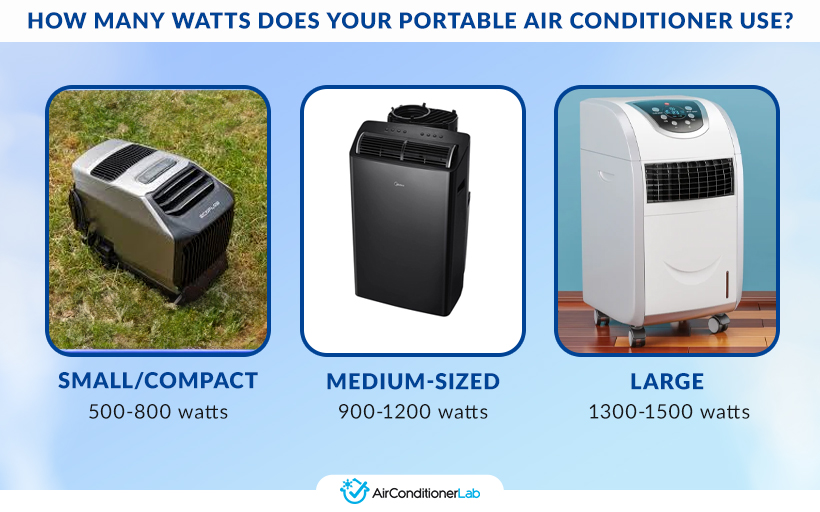
Another thing to consider? Features! Some portable ACs have fancy bells and whistles. Sleep modes, energy-saving settings, dehumidifiers. All these things impact the wattage draw. A simpler unit might be cheaper to run, even if it's not as feature-packed.
The Unpopular Opinion: It's Worth It!
Here comes the controversial part. Yes, portable ACs use electricity. Yes, they might make your electric bill a tad… dramatic. But let's be honest, is sweating through the summer REALLY a better option?
I say no! And I stand by that. Central air? Overrated (there, I said it!). Portable ACs let you cool exactly the room you're in. No wasting energy cooling empty spaces. It's targeted cooling, people! Targeted!
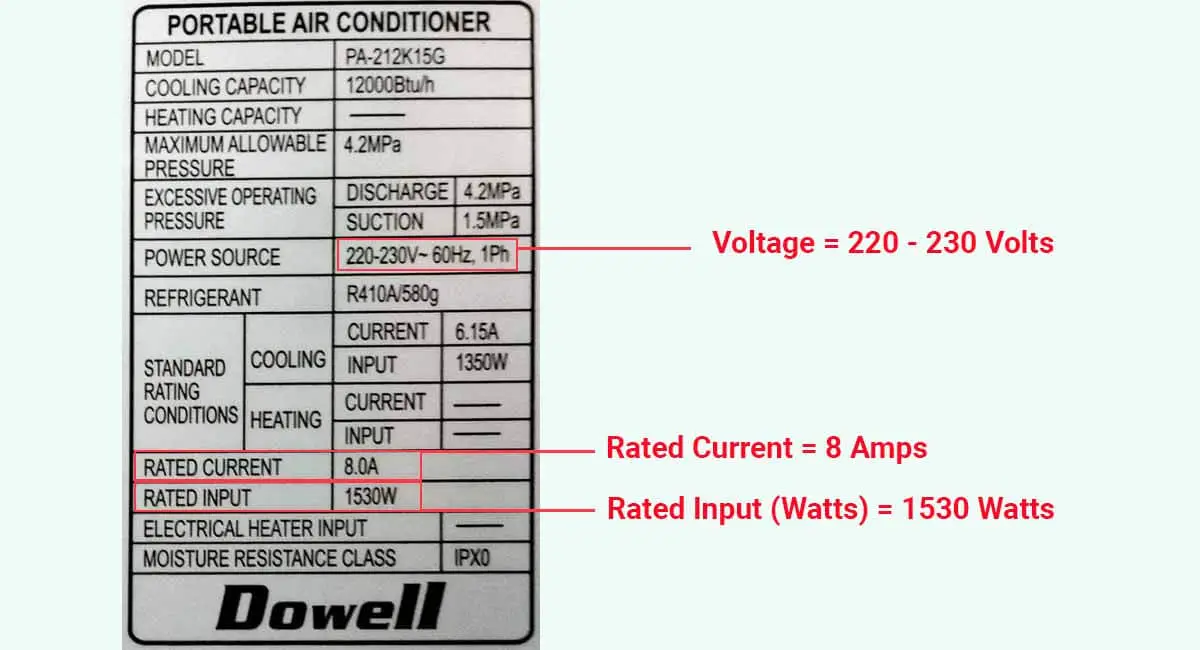
Decoding the Label: Your Wattage Treasure Map
So, how do you figure out the actual wattage of your chosen cooling companion? Look for the sticker! Most ACs have a label somewhere (usually on the back or side) that lists the power consumption in watts. This is your wattage treasure map. Follow it closely!
Don't just look at the "cooling" wattage. Some labels also list the wattage for other modes, like "fan only." This is useful if you're just looking for a breeze without the full AC blast.
Wattage Woes: Some Real-World Examples
Imagine you're eyeing two portable ACs. One's a cute little 8,000 BTU unit, drawing around 800 watts. The other is a beastly 12,000 BTU machine, sucking down 1200 watts.
If you run that 800-watt unit for 5 hours a day, every day, that's roughly 120 kWh per month. The 1200-watt unit? That’s closer to 180 kWh. Big difference!
Keep in mind that electricity rates vary. So, those kWh numbers translate to different dollar amounts depending on where you live. Time to dust off your electric bill and do some calculations!
The Bottom Line: Be Watt-Wise!
Portable ACs aren't energy vampires, but they do need their share of the juice. Understanding wattage, BTUs, and features can help you make a smart choice.
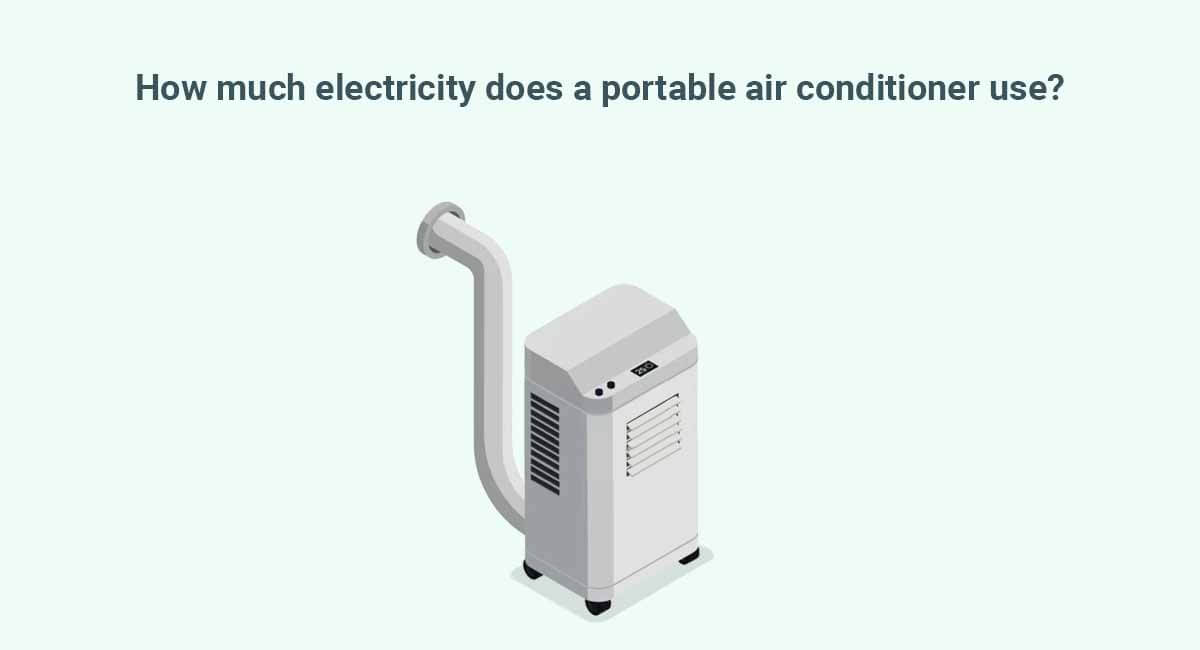
And remember, even if they use a bit more power, the sweet, sweet relief from the summer heat might just be worth it. Especially if you're, like me, a proud member of the "portable ACs are superior" club. Don't @ me!
Just kidding… maybe.
In conclusion, be watt-wise! Choose wisely, and stay cool, my friends.