How Much Wattage Is A Fridge

Ah, the humble refrigerator. What a marvelous invention! It’s the silent guardian of our midnight snacks, the chill master of our beverages, and the preserver of our culinary dreams. Without it, life as we know it would be a chaotic scramble of daily grocery runs and a constant battle against spoilage. We love our fridges for keeping our milk fresh, our ice cream perfectly scoopable, and our leftovers safe for another day. It’s not just a convenience; it’s a cornerstone of modern comfort and a huge contributor to food safety and reducing waste in our homes.
The benefits are immense: from extending the shelf life of perishable foods, thus saving us money and trips to the store, to enabling a diverse diet by allowing us to store a variety of ingredients. Imagine living without fresh produce, dairy, or properly chilled meats! Our refrigerators make this all possible, standing guard 24/7. They come in all shapes and sizes, from the compact mini-fridge in a dorm room to the colossal side-by-side behemoth in a family kitchen, often boasting smart features, sparkling ice makers, and water dispensers. Each one, a frosty friend diligently keeping things cool.
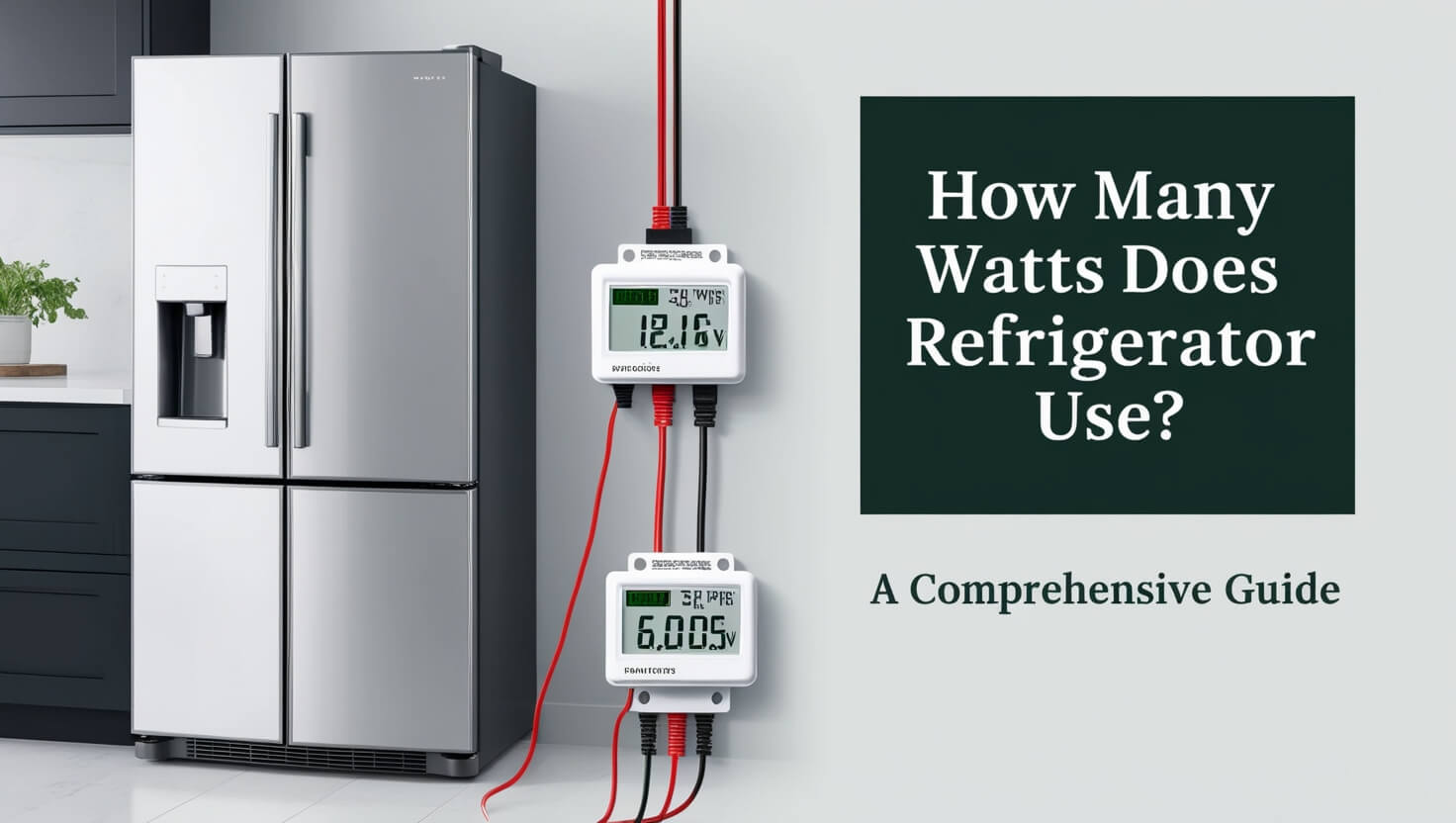
But have you ever paused to wonder about the silent workhorse itself? Specifically, how much oomph, how much wattage, does it actually consume? It’s a common question, often prompted by a peek at the electricity bill or when planning for a generator during a power outage. Understanding your fridge's wattage isn't just for tech geeks; it’s practical knowledge for any homeowner.
Must Read
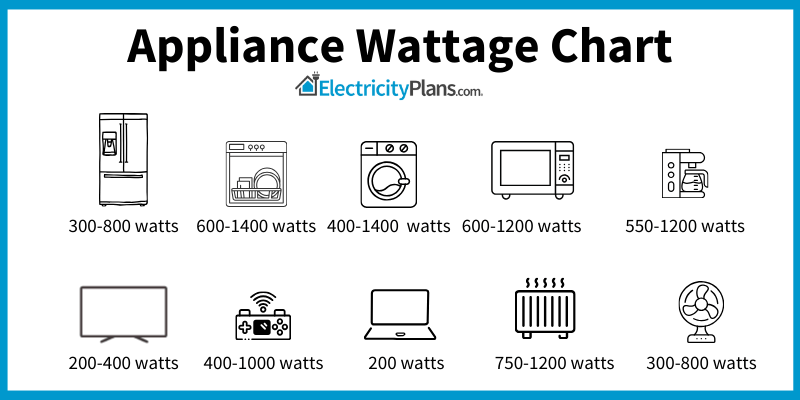
So, let's talk numbers. A typical household refrigerator's running wattage usually falls in the range of 100 to 400 watts. However, this isn't constant. Fridges don't run their compressors all the time; they cycle on and off to maintain temperature. When the compressor first kicks on, it requires a brief burst of power, known as the starting wattage or surge wattage, which can be significantly higher – sometimes up to 800-1200 watts for a few seconds. The exact wattage depends on several factors: the fridge's size, its age, its energy efficiency rating (look for that shiny Energy Star label!), and features like ice makers or water dispensers.

Now, for some practical tips to "enjoy" your fridge more effectively and efficiently, saving you a few bucks on that electricity bill:
- Keep it Full (but not too full): A full fridge (with food, not just air) requires less energy to stay cool because the items themselves help retain the cold. However, don't overstuff it, as that can block airflow.
- Check Your Seals: A leaky door seal lets cold air escape, making your fridge work harder. Test it by closing the door on a dollar bill; if you can pull it out easily, it might be time for a new seal.
- Clean the Coils: Dust and pet hair can accumulate on the condenser coils at the back or bottom of your fridge, reducing its efficiency. A quick vacuuming a couple of times a year can make a big difference.
- Mind the Temperature: Set your fridge between 35-38°F (1.7-3.3°C) and your freezer at 0°F (-18°C). Going colder often isn't necessary and uses more energy.
- Give it Space: Allow some clearance around your fridge for proper air circulation, especially if the coils are on the back.
- Defrost Regularly: If you have a manual defrost freezer, don't let ice build up more than a quarter-inch thick, as this reduces efficiency.
- Consider an Upgrade: If your fridge is an old energy hog, a new Energy Star model could significantly reduce your power consumption over its lifetime.
Understanding your fridge's wattage demystifies one of your home’s essential appliances. It empowers you to make smarter choices about energy use and appreciate the constant, silent service this cool companion provides, keeping your life deliciously fresh and perfectly chilled.
![Mini Fridge Wattage [1,494+ Units | Most Efficient Revealed]](https://ecocostsavings.com/wp-content/uploads/2023/04/mini-fridge-wattage-examples.jpg)