
How Much Wattage Does A Fan Use
You know that wonderful feeling. It's a warm day, and a gentle breeze washes over you. That's the magic of your trusty fan working its wonders. It doesn't just push air; it creates a little oasis of comfort. Ever stopped to wonder about the power behind that pleasant gust? We're talking about how much wattage a fan uses.
It might sound like a super technical question. But trust us, understanding a fan's power consumption is surprisingly simple and quite satisfying. It's like peeking behind the curtain of everyday comfort. You'll become a true energy efficiency detective!
The truth is, most fans are truly humble when it comes to electricity. They are not the energy guzzlers of your home. Think of them as tiny, efficient helpers, not big power hogs.
Must Read
Imagine a refrigerator or a washing machine – those are the power giants. Your fan, however, often just sips electricity. It’s like comparing a marathon runner to someone enjoying a leisurely stroll. The difference is quite significant.
Let's talk numbers, but in a very friendly way. A small desk fan, for instance, is often incredibly modest. It might use as little as 10 to 25 watts. That’s barely a flicker on your power bill!
Think of charging your phone. That often uses similar power levels. So, your personal breeze machine is really just a polite guest in your home's electrical system. It's truly a master of personal cooling without a huge cost.
Stepping up a bit, you have your larger tower fans or box fans. These are designed to cool a bigger space. Naturally, they'll use a little more juice to move all that air around.
Typically, these might range from 50 to 100 watts. Still not a lot when you compare it to, say, a hair dryer or a toaster oven. Those can easily hit 1000-1500 watts in a flash!
So, even a bigger fan is really quite economical. It’s a great way to spread coolness without breaking the bank. It creates a comfortable zone for everyone in the room.
Then there are ceiling fans. These are a unique blend of comfort and style. They often run for many hours, circulating air throughout a room. You might expect them to use a lot of power, but many are surprisingly efficient.
Modern ceiling fans often consume between 15 to 75 watts. Some super-efficient models, especially those with DC motors, can be even lower. They are champions of silent, continuous air movement.
The type of motor inside your fan makes a big difference. Traditional fans often use AC motors. These are reliable workhorses that have served us well for ages. They get the job done with sturdy efficiency.
But here's where things get really exciting: DC motors. These are the new superstars in the fan world. Fans with DC motors are incredibly energy efficient. They can use up to 70% less energy than their AC counterparts.
"Choosing a fan with a DC motor is like choosing a super-efficient car. It goes further on less fuel!"
This means more comfort for you and even happier news for your electricity bill. It's a smart choice for those who value both performance and saving money. These fans are often quieter too, adding to their appeal.
Another factor influencing wattage is the speed setting. This might seem obvious, but it's worth noting. Running your fan on its lowest setting naturally uses less power. It’s like a gentle whisper of electricity.
Cranking it up to the highest speed will, of course, draw more power. But even then, the increase is usually quite modest. Your fan isn't going to suddenly transform into a power monster.
The size of the fan and the design of its blades also play a role. Larger blades moving more air require a little more effort. But engineers design these fans to be as efficient as possible. They optimize every curve and angle.
So, a large, powerful fan will use more watts than a tiny personal one. However, it also cools a much larger area. It’s all about finding the right balance for your space and needs.
How can you find out the exact wattage of your fan? It's usually printed right on a label. Check the back, bottom, or motor housing of the fan. You might see terms like "Input Power" or "Rated Power."
Sometimes it’s listed in Amps (A). If you see Amps, you can multiply that by your household voltage (typically 120V in North America) to get a rough wattage estimate. Don't worry, a quick online search can help if you're curious!
Why does all this matter? Well, knowing your fan's wattage is empowering. It helps you make smart choices for your home. You're not just moving air; you're managing your resources wisely.
You can confidently run your fan for hours on end. Knowing it's only using a tiny bit of electricity is truly reassuring. It contributes to your comfort without the guilt of high energy bills. It's all about intelligent cooling.
Consider the environmental impact, too. Choosing an energy-efficient fan is a small but meaningful step. It helps reduce your carbon footprint over time. Every little bit truly adds up for our planet.
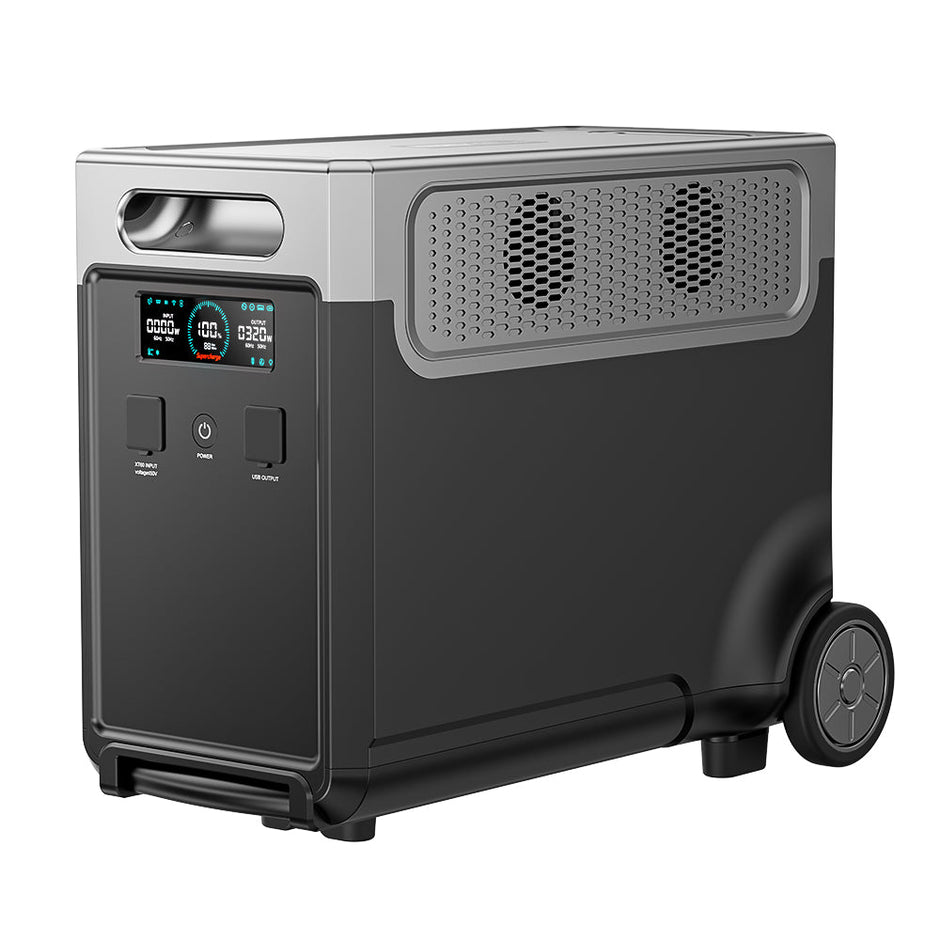
Fans are an excellent, low-cost alternative to air conditioning. While AC units can chill a room dramatically, they also consume a huge amount of power. Fans offer a gentle, energy-smart solution. They make you feel cooler without the intense energy draw.
So, the next time you feel that glorious breeze, take a moment. Appreciate your fan not just for the comfort it brings. Also, admire its quiet, efficient work in the background. It truly is a remarkable little appliance.
You are now a fan wattage expert! Go forth and enjoy your perfectly powered, wonderfully efficient, and amazingly comfortable personal breeze. Your home and your wallet will thank you for being so smart.
Perhaps you'll even be inspired to check the labels on other appliances. Knowing a little about wattage makes you a more informed consumer. It’s a small detail that offers big rewards.
Your fan is not just a device; it’s a silent partner in your comfort. And it's doing it all with surprisingly little energy. So, enjoy that refreshing gust!