
How Much Water Does Washing Machine Use Per Load

Hey there, laundry enthusiast! Ever wondered just how much H2O your trusty washing machine guzzles down per load? I mean, we toss in our dirty socks and hope for the best, but the water usage… it's a mystery, right? Let's dive in (pun intended!) and uncover the truth.
Okay, so first things first: It’s not a simple answer. It depends. Like, a lot depends. Are we talking about a vintage behemoth from your grandma's basement or a shiny new, energy-efficient model that practically whispers sweet nothings while cleaning your clothes? Because that makes all the difference!
Old School Washers: Water-Guzzling Giants
Back in the day, washing machines were, shall we say, less concerned with water conservation. We're talking pre-environmental-consciousness, "use all the water you want!" kind of vibes. These top-loading dinosaurs could slurp up a whopping 40 gallons of water per load. Yes, you read that right. Forty! That's like, a small swimming pool just for your jeans.
Must Read
Think about it: forty gallons! That's enough water to give a decent bath, or… water your entire garden (if you're feeling adventurous). It's kinda scary, isn't it? No wonder your water bill was sky-high back then! (Assuming you even remember back then. 😉)
Modern Marvels: The Eco-Friendly Revolution
Thankfully, technology has come a long way. Today's washing machines are much more water-wise. They’ve seriously slimmed down their water appetite. We’re talking a significant decrease! How significant? Well…
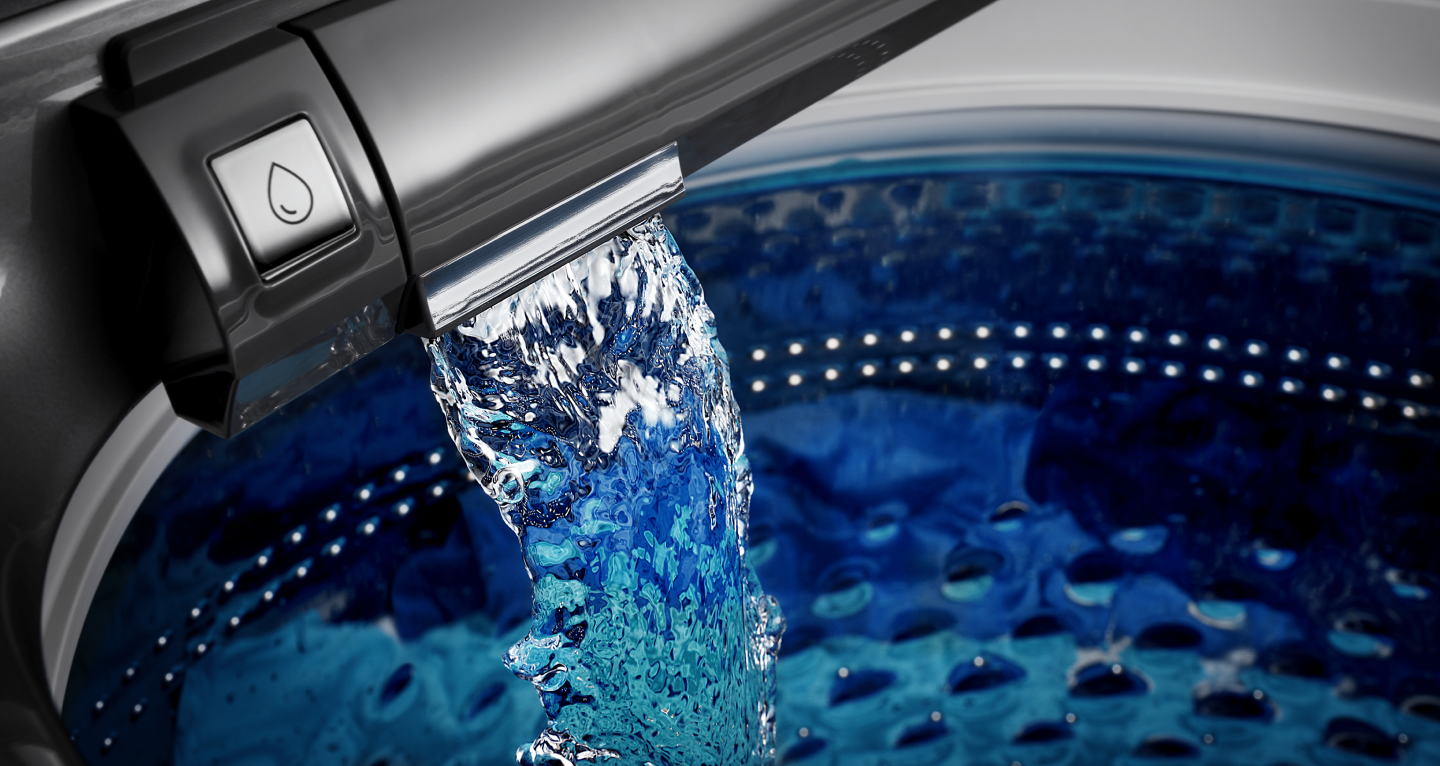
High-efficiency (HE) washers, both top-loading and front-loading, use considerably less water. These beauties can get the job done with as little as 13 to 15 gallons per load. That’s a HUGE difference, right?
Imagine the savings! You could practically take an extra-long shower every week and still come out ahead. (Don't actually do that... conserve water, people!)
So, how do they do it? Magic? Nope. (Although, that would be cool.) They use sensors to detect the size of the load and adjust the water level accordingly. Plus, they often have fancy washing actions that require less water to get clothes clean. It’s all very scientific and efficient. Impressive, huh?
Factors Affecting Water Usage: It's Complicated!
Okay, so we've established that older washers use way more water than newer ones. But there are other factors to consider too! It's not just about the age of your machine, you know.
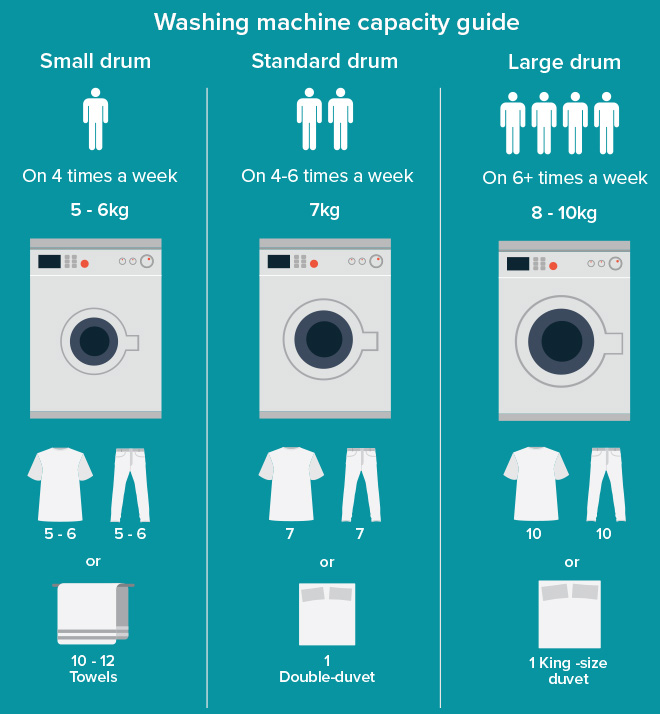
* Load Size: Obvious, right? A tiny load of delicates isn't going to need as much water as a mountain of towels. Duh!
* Wash Cycle: Different cycles use different amounts of water. A delicate cycle will use less than a heavy-duty cycle. Think about it: delicate fabrics need gentler treatment. More water isn’t always better!
* Water Level Settings: Some older machines let you manually choose the water level. If you're using one of these, be mindful! Don't just fill it to the brim every time, even if you're only washing three shirts. Be water-conscious!
How to Find Out Your Washer's Water Usage: Detective Time!
So, how do you figure out exactly how much water your washing machine is using? Here's where you put on your detective hat (or your laundry-expert hat, whichever you prefer). 😉
* Check the Manual: The easiest way! The manufacturer's specifications should list the water usage per cycle. Who knew that dusty old manual could actually be useful?

* Look Online: If you don't have the manual, try searching online for your washer's model number and "water usage." You might be surprised what you find!
* The Water Meter Method (For the Truly Curious): This is a bit more involved, but it's pretty accurate. Read your water meter before and after running a load of laundry. The difference is how much water your washer used! (Just make sure no one else is using water in the house during your experiment!)
The Bottom Line: Be a Water-Wise Washer!
So, there you have it! Washing machines can use anywhere from 13 to 40+ gallons of water per load. Choosing a modern, energy-efficient model is a great way to save water (and money!). And being mindful of load sizes and cycle selections can make a difference too. Let's all do our part to be water-wise washers! The planet (and your wallet) will thank you!