How Much Water Does A Humidifier Use Per Hour

Let's face it, walking into a room filled with dry, scratchy air is no fun. It's like your skin is screaming for moisture and your sinuses are staging a full-blown rebellion. That's where humidifiers come in, those trusty little devices promising a breath of fresh, moist air. People adore them because they offer a tangible solution to a very common problem: the discomfort of dry air, especially during harsh winters or in arid climates. Think of them as your personal oasis, a tiny atmospheric adjustment button allowing you to craft a more comfortable indoor environment.
The benefits of using a humidifier extend far beyond mere comfort. They serve a vital purpose in maintaining our health and protecting our homes. Dry air can exacerbate respiratory issues like asthma and allergies, drying out nasal passages and making you more susceptible to colds and flu. A humidifier adds much-needed moisture, alleviating these symptoms and keeping your airways happy and hydrated. Furthermore, they can help protect your wooden furniture, floors, and even musical instruments from cracking and warping due to excessive dryness. Essentially, they're a shield against the harsh realities of low humidity.
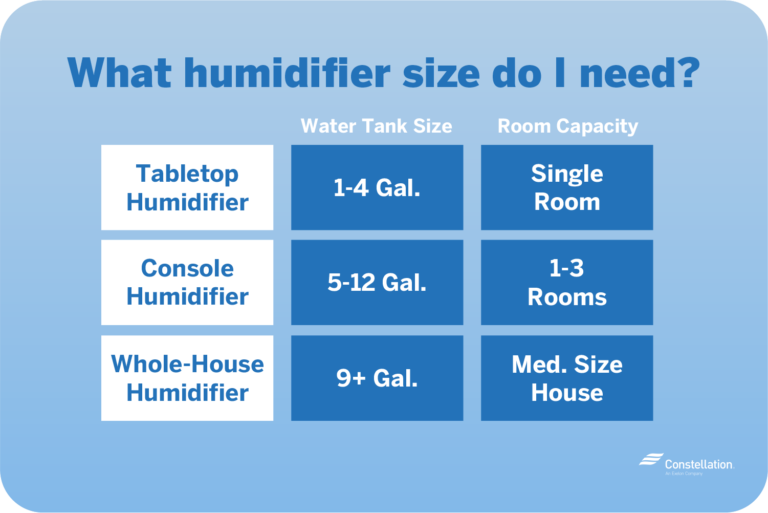
Humidifiers are incredibly versatile and can be found in various forms to suit different needs. You might have a small personal humidifier on your desk, a larger console humidifier covering a whole floor, or even a whole-house humidifier integrated into your HVAC system. They're commonly used in bedrooms to improve sleep quality, in nurseries to help babies breathe easier, and in living rooms to create a more comfortable and inviting atmosphere. No matter the type, they all share the same fundamental goal: to increase the moisture content of the air.
Must Read
But how much water do these marvelous machines actually consume? This is where it gets interesting. The amount of water a humidifier uses per hour varies greatly depending on several factors, including the size of the unit, the humidity setting, and the overall dryness of the room. Generally, smaller personal humidifiers might use only a few ounces of water per hour, while larger console models could guzzle up to a gallon or more. To give you a rough estimate, a typical medium-sized humidifier might use between 0.5 to 1 pint (8-16 ounces) of water per hour on a medium setting. Checking the manufacturer's specifications for your specific model is always the best way to get an accurate figure.
To enjoy your humidifier more effectively and efficiently, consider these practical tips: Regularly clean your humidifier to prevent the growth of mold and bacteria, using distilled or demineralized water to minimize mineral buildup. Experiment with different humidity settings to find the sweet spot that provides relief without creating excessive moisture. A hygrometer, which measures the humidity level in the air, can be an invaluable tool. Aim for a humidity level between 30% and 50%. Avoid placing your humidifier near electronics or delicate furniture, and always follow the manufacturer's instructions for optimal performance and safety. By understanding how much water your humidifier uses and following these simple guidelines, you can maximize its benefits and create a healthier, more comfortable living environment.