
How Much Volume Does A 96 Well Plate Hold
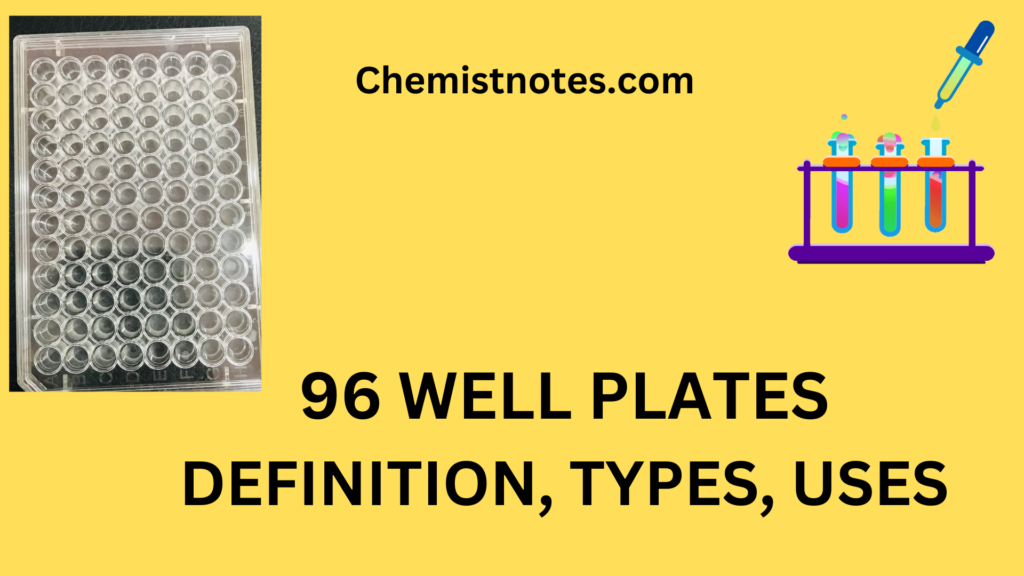
Ever stared at a 96-well plate and wondered, "Just how much stuff can I cram in there?" I have.
It's like those tiny hotel shampoo bottles. You know there's some in there. But is it enough?
The Official Answer (and Why It's a Lie)
Okay, so the textbooks say a 96-well plate holds, like, 300-400 microliters per well. Sounds legit, right?
Must Read
Wrong! That's the manufacturer's answer. And let’s be honest, they're trying to upsell us on fancy liquid handling robots that measure down to the nanoliter.
The Reality: The Spill Zone is Real
Let's talk about the spill zone. It's that invisible barrier where your pipette skills go to die.
Try filling a well to the absolute brim. I dare you. Just try. Suddenly, 300 microliters becomes a sticky mess.
I've seen perfectly competent scientists create well-to-well cross-contamination rainbows. It’s a sad, beautiful disaster.

My Unpopular Opinion: It's More Like 200 Microliters (Safely)
Here's my hot take: you're actually only working with 200 microliters. Maybe 250 if you're feeling particularly brave.
I know, I know. You're scoffing. "But the manufacturer says..." Shhh! We're talking practicality here.
Think about it: you need space for mixing, for evaporation, and for the inevitable clumsy pipette move.
Evaporation: The Silent Thief
And don't even get me started on evaporation. That sneaky little monster steals your precious reagents right under your nose.
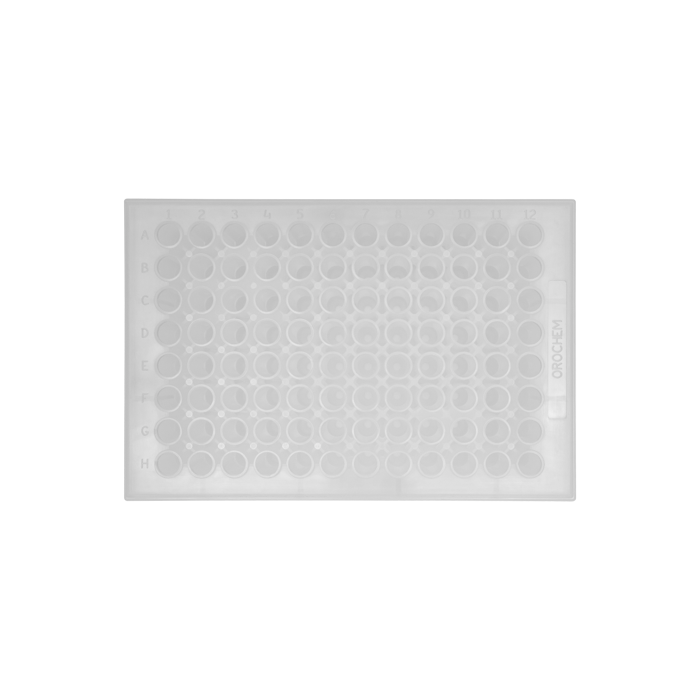
Especially if you leave your plate sitting out longer than a goldfish's attention span. Suddenly your concentration is off, and your results are… well, let’s just say “interesting”.
So, you fill to 300 microliters, close the lid, and come back an hour later. Poof! Where did it all go?
The Curveball: Plate Type Matters!
Okay, confession time: not all 96-well plates are created equal.
Some are flat-bottomed, some are round-bottomed, some are V-bottomed. It’s like a well plate shape-shifting party.
The bottom shape affects how much liquid feels comfortable in there. Trust me. A V-bottom is way more forgiving.

The Deep Well Deception
Then you have deep well plates. These guys are the tanks of the 96-well world.
They laugh in the face of 400 microliters. They’re all, "Is that all you got? I can hold a milliliter, easy."
But we're not talking about deep well plates today. They're the outliers, the rebels, the ones who refuse to conform to our tiny volume anxieties.
So, What's the Takeaway?
Forget what the manual says. Experiment! Play around! (But, you know, safely. Wear gloves.)
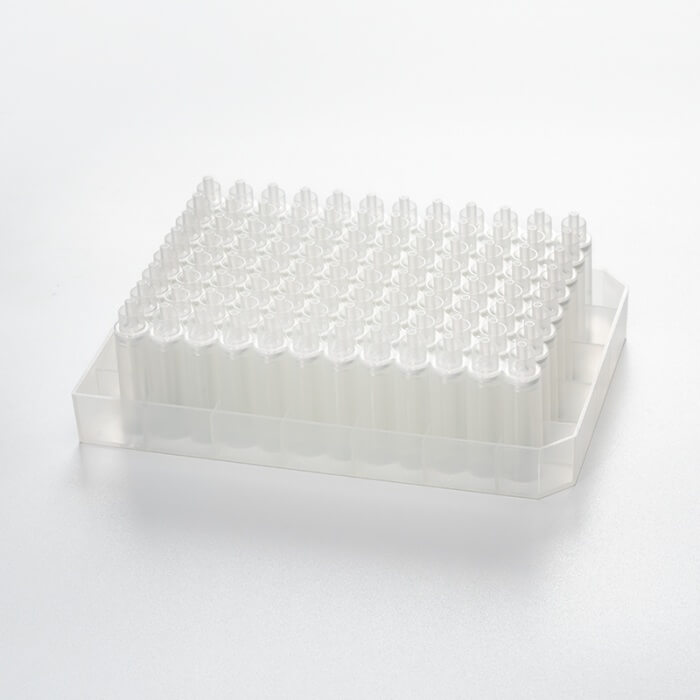
Find your personal "safe fill" volume. The volume where you can pipette without inducing anxiety attacks.
And remember, it's better to have a little extra space than to clean up a colorful, cross-contaminated mess. Ask me how I know.
Final Thought: It's All About the Experiment
At the end of the day, it doesn’t really matter if it's 200 or 300 microliters, does it?
What matters is that your experiment works. That your cells grow, that your data is clean, and that you don’t spill coffee on your lab coat.
And if you do spill coffee, well, at least you didn’t spill 300 microliters of precious reagent. Cheers to controlled volumes (and stain-resistant lab coats)!