How Much Vitamin B12 For Tinnitus
Tinnitus. That persistent ringing, buzzing, or clicking in your ears can be incredibly annoying! And when something affects our ears, which connect us so intimately to the world, we're all ears (pun intended!) for potential solutions. That's why the question of how much Vitamin B12 for tinnitus is such a hot topic. It’s a simple, potentially helpful solution that many people are curious about, and let's face it, anything that promises to quiet the noise is worth investigating!
So, what's the buzz about B12? This essential vitamin plays a vital role in nerve health. And guess what? Your auditory nerve, the one responsible for carrying sound signals from your ear to your brain, is a nerve! Vitamin B12 deficiency can sometimes lead to nerve damage, potentially contributing to or exacerbating tinnitus symptoms. Think of it like this: B12 is like the oil that keeps the gears of your nervous system running smoothly. Without enough, things can get a little…grindy.
The purpose of exploring B12 and tinnitus is simple: to see if boosting your B12 levels can alleviate or reduce the severity of your tinnitus. The benefits are potentially huge! If B12 helps, you could experience less annoying noise, improved sleep (tinnitus can be a real sleep stealer!), and a better quality of life overall. It’s about regaining control over your auditory world.
Must Read
Now, for the big question: how much B12 do you need? This is where things get a little less straightforward. The recommended daily allowance (RDA) for adults is around 2.4 micrograms (mcg). However, if you're deficient, or suspect you might be, your doctor might recommend a higher dose. Many tinnitus sufferers find some relief with doses ranging from 500 mcg to 1000 mcg per day, but it's absolutely crucial to consult with your doctor before starting any new supplement regimen. They can determine if you're truly deficient through a blood test and advise on the appropriate dosage for your specific needs.
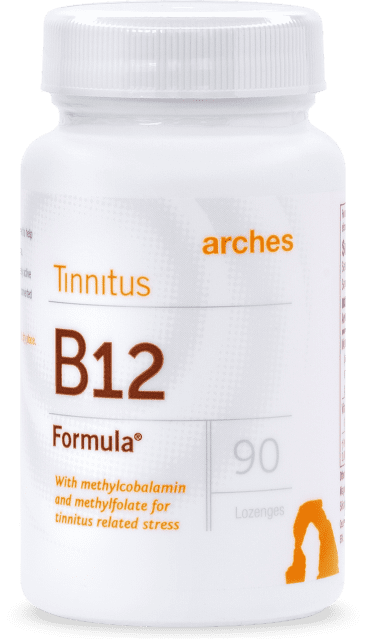
Why is doctor consultation so important? Because tinnitus can have many different causes, and B12 deficiency might not be the culprit. It could be due to noise exposure, age-related hearing loss, certain medications, or other underlying health conditions. Masking the symptoms with B12 without addressing the root cause could delay proper diagnosis and treatment. Furthermore, while B12 is generally safe, very high doses can sometimes have side effects. Your doctor can help you rule out other causes and ensure B12 supplementation is appropriate for you.
In conclusion, while Vitamin B12 is not a guaranteed cure for tinnitus, it's a worthwhile avenue to explore, especially if you suspect a deficiency. By understanding the link between B12 and nerve health, and by consulting with your doctor, you can make an informed decision about whether or not B12 supplementation is right for you. Remember, managing tinnitus is often a multi-faceted approach, and B12 might just be one piece of the puzzle that helps you find some peace and quiet!