
How Much Power Does A Diesel Heater Use

Alright, picture this: it’s the dead of winter. The kind of cold that makes your teeth ache and your toes feel like tiny ice cubes. Maybe you’re out in your van, tucked away in a remote cabin, or perhaps the power just decided to take an unexpected vacation in your house (thanks, utility company!). You’re shivering, dreaming of warmth, and then BAM! A brilliant thought sparks: “A diesel heater!”
Ah, the trusty diesel heater. It sips on diesel fuel, blasting out glorious, dry heat, making even the most bone-chilling mornings feel cozy. But then, a little nagging question starts to tickle the back of your brain, especially if you’re living off-grid or running it from a battery bank: “How much power does this thing actually use?”
Because, let's be real, it burns diesel, right? So, logically, it uses no electricity at all! Pure magic!
Must Read
Well, my friend, I hate to burst your bubble, but spoiler alert: it’s not magic. While the primary fuel source is diesel, these clever little contraptions do indeed need a bit of electrical juice to do their thing. And trust me, understanding that “bit” is crucial for keeping your batteries happy and your toes toasty.
The Electrical Guts: Where the Power Goes
Think of a diesel heater as having a few different phases, each with its own electrical demands. It's not a constant draw, which is good news for your battery.
1. The Startup Surge: Ignition & Glow Plug
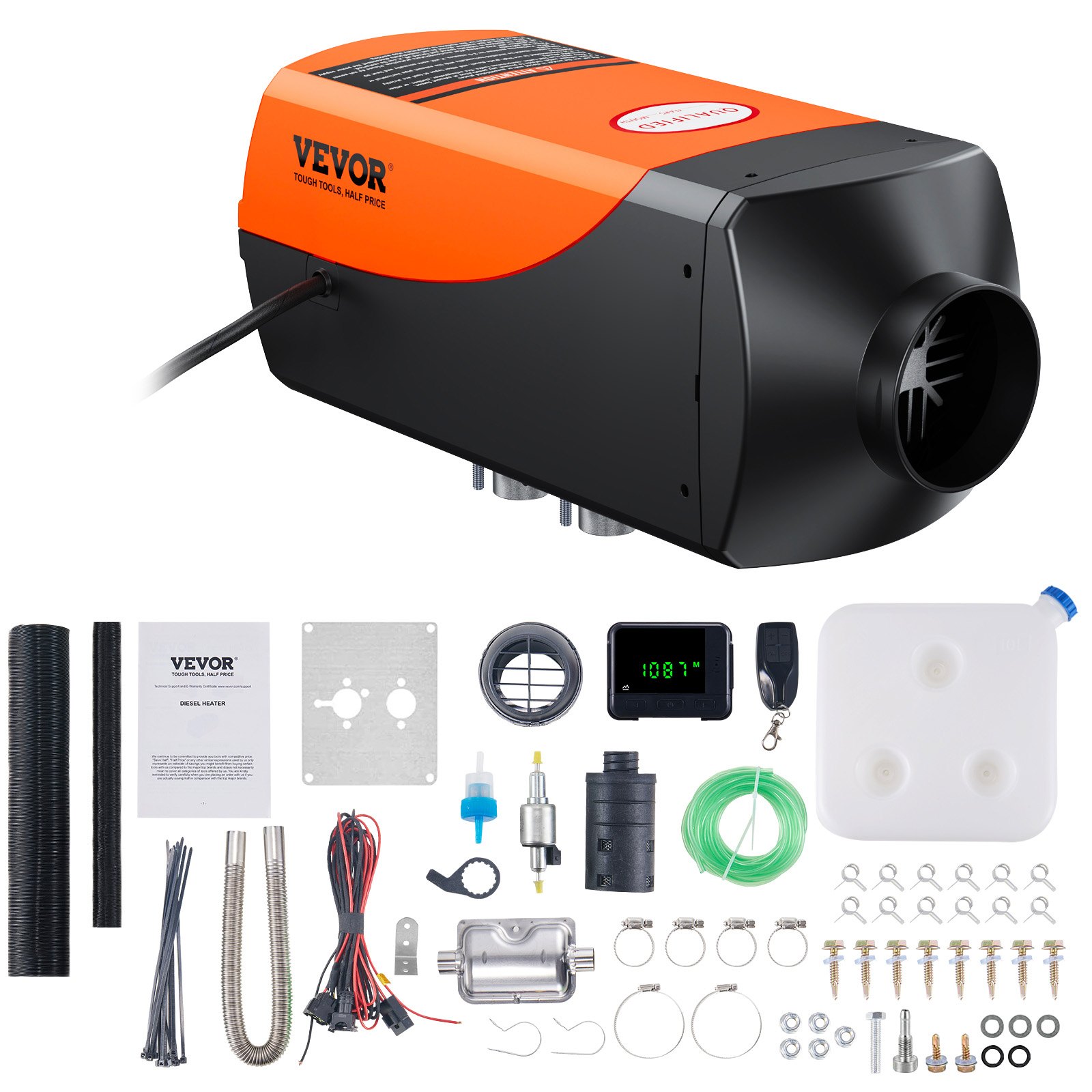
This is where your heater takes its biggest gulp of electricity. Just like a diesel engine in a car, it needs a little help to get going. There's a glow plug inside, which heats up to an insane temperature to ignite the diesel fuel. This is the heavy lifting part.
- For a brief moment – usually just a minute or two – your heater might pull anywhere from 80 to 150 watts (W).
- On a 12V system, that translates to roughly 7 to 12.5 amps (A).
Yeah, that sounds like a fair bit, doesn't it? But remember, it's short-lived. It’s like a sprinter at the starting blocks – a quick burst, then they settle into a steady pace.
2. The Running Rhythm: Fan & Fuel Pump
Once the diesel is happily burning and the heater is roaring (or purring, depending on the model), the power consumption drops significantly. Now, the main electrical components at play are:
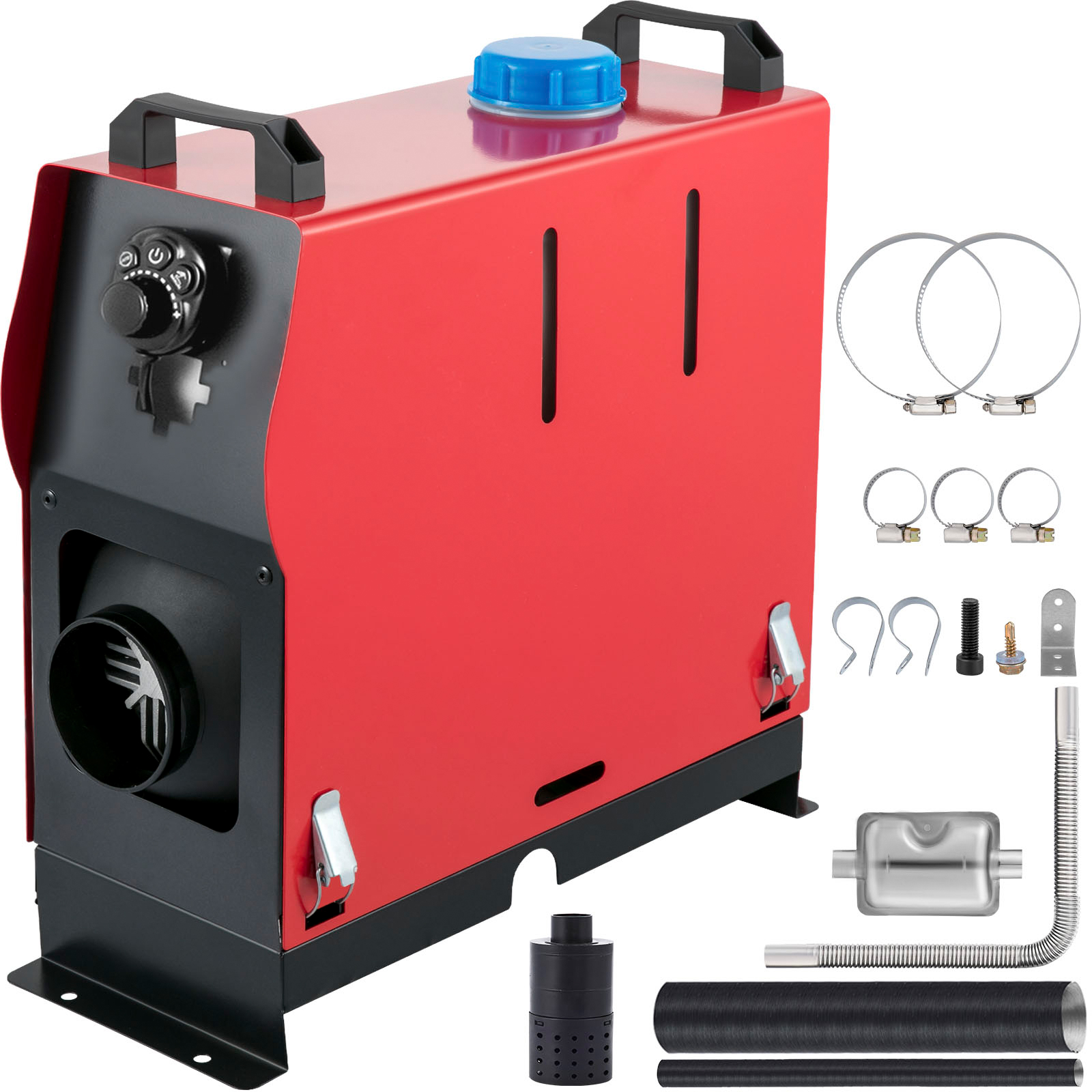
- The Combustion Fan: This little dynamo pushes air into the combustion chamber to keep the flame alive.
- The Hot Air Fan: This is the one that blows the glorious warm air into your space.
- The Fuel Pump: A small, rhythmic pump that delivers precise amounts of diesel from your tank to the heater. You can often hear its distinctive "tick-tick-tick."
During normal operation, especially on a medium-to-low setting, most diesel heaters are incredibly efficient. You're looking at a power draw of approximately 10 to 40 watts (W).
- Converting that to amps on a 12V system, you're usually in the range of 0.8 to 3.3 amps (A).
Now that's more like it! To put it in perspective, that’s often less than what a couple of LED lights use, or about the same as charging your phone. Pretty impressive for something pumping out serious heat, right?
3. The Wind-Down: Cooling Fan
When you decide to turn off your heater, it doesn’t just instantly stop. It enters a cool-down cycle. The fans keep running for a few minutes to ensure all the components cool down safely and prevent any carbon buildup or damage. This draw is similar to the running phase, maybe a tiny bit higher, but again, it's brief.
What Affects the Power Draw?
A few things can tweak those numbers slightly:
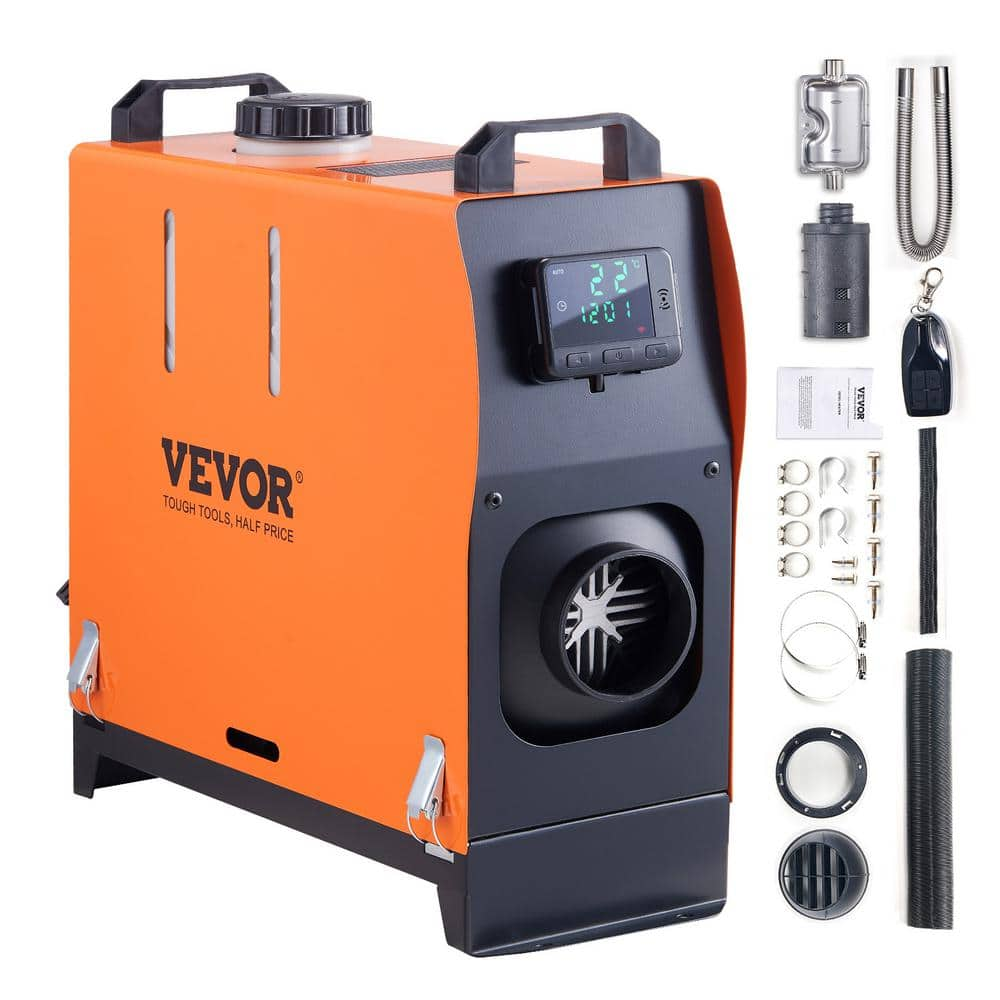
- Heater Size: A bigger heater (higher BTU output) might have slightly larger fans and a more powerful fuel pump, meaning a tiny bit more electrical draw.
- Fan Speed Setting: Running your heater on a higher fan speed will naturally consume more electricity than a lower setting.
- Ambient Temperature: If it’s absolutely freezing, the heater might work a little harder to reach and maintain temperature, potentially keeping the fans running at a higher speed.
- Heater Quality: More efficient, well-engineered heaters often have optimized components that use less power.
The Takeaway for Your Battery Bank
So, what does this all mean for your precious batteries, especially if you’re living the van life or going off-grid?
The key is to remember the peak startup draw is temporary. Your battery needs to be able to handle that initial surge, but it's the much lower running draw that you really need to factor into your daily energy budget.
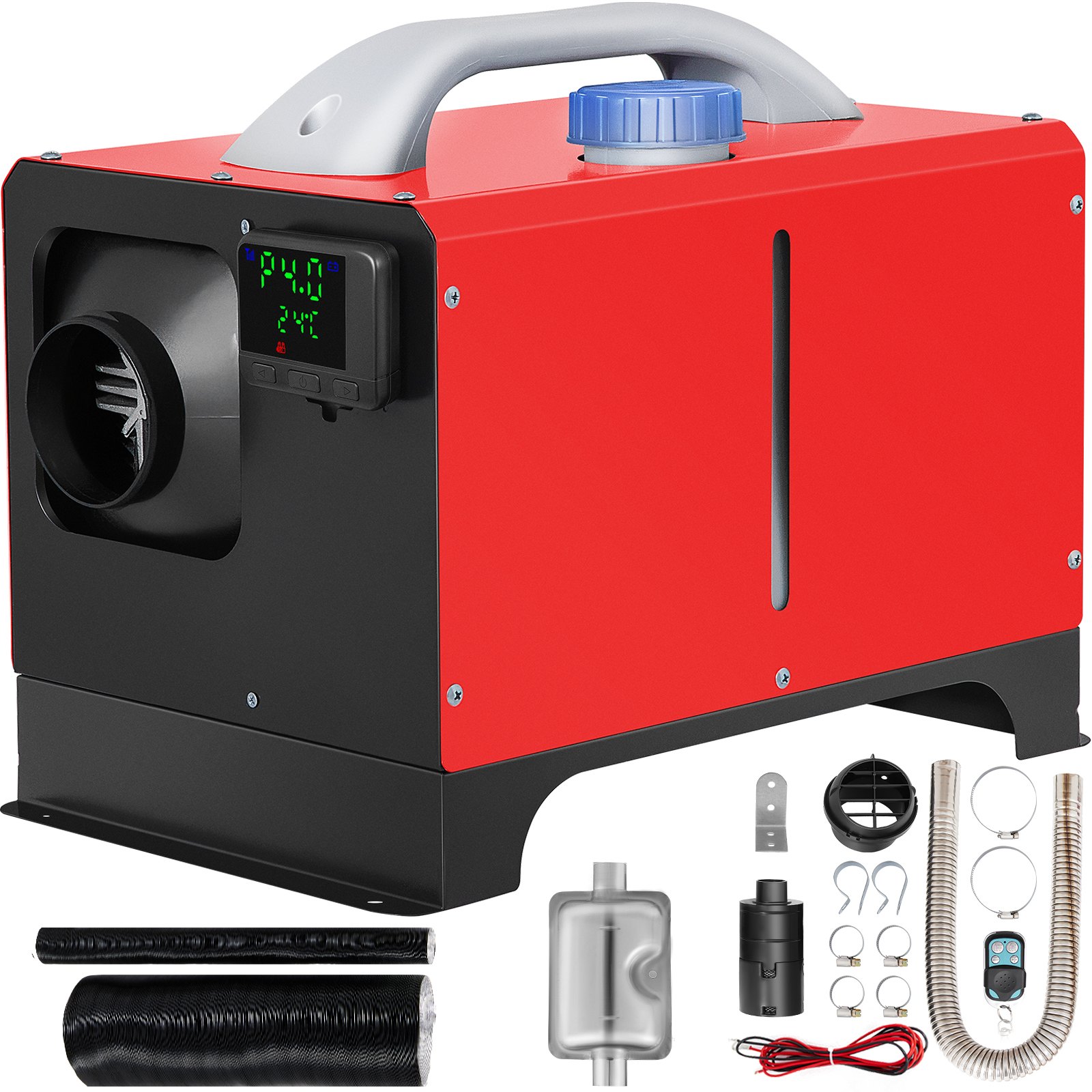
If your heater runs for, say, 10 hours overnight at an average of 20W (which is about 1.7A at 12V), that's only 17 Amp-hours (Ah) of battery capacity for the entire night. Add a bit for startup, and you’re still looking at a very manageable amount.
Insulation is your best friend here! The better insulated your space, the less your heater has to work, the less fuel it burns, and the less electricity it uses. It’s a win-win-win!
In conclusion, while a diesel heater isn't entirely electricity-free, its power consumption for actual heating is surprisingly minimal after the initial glow plug ignition. It's truly one of the most efficient ways to get serious warmth out of your batteries. So go forth, stay warm, and don't let those electrical worries keep you in the cold!