
How Much Power Does A Dehumidifier Use
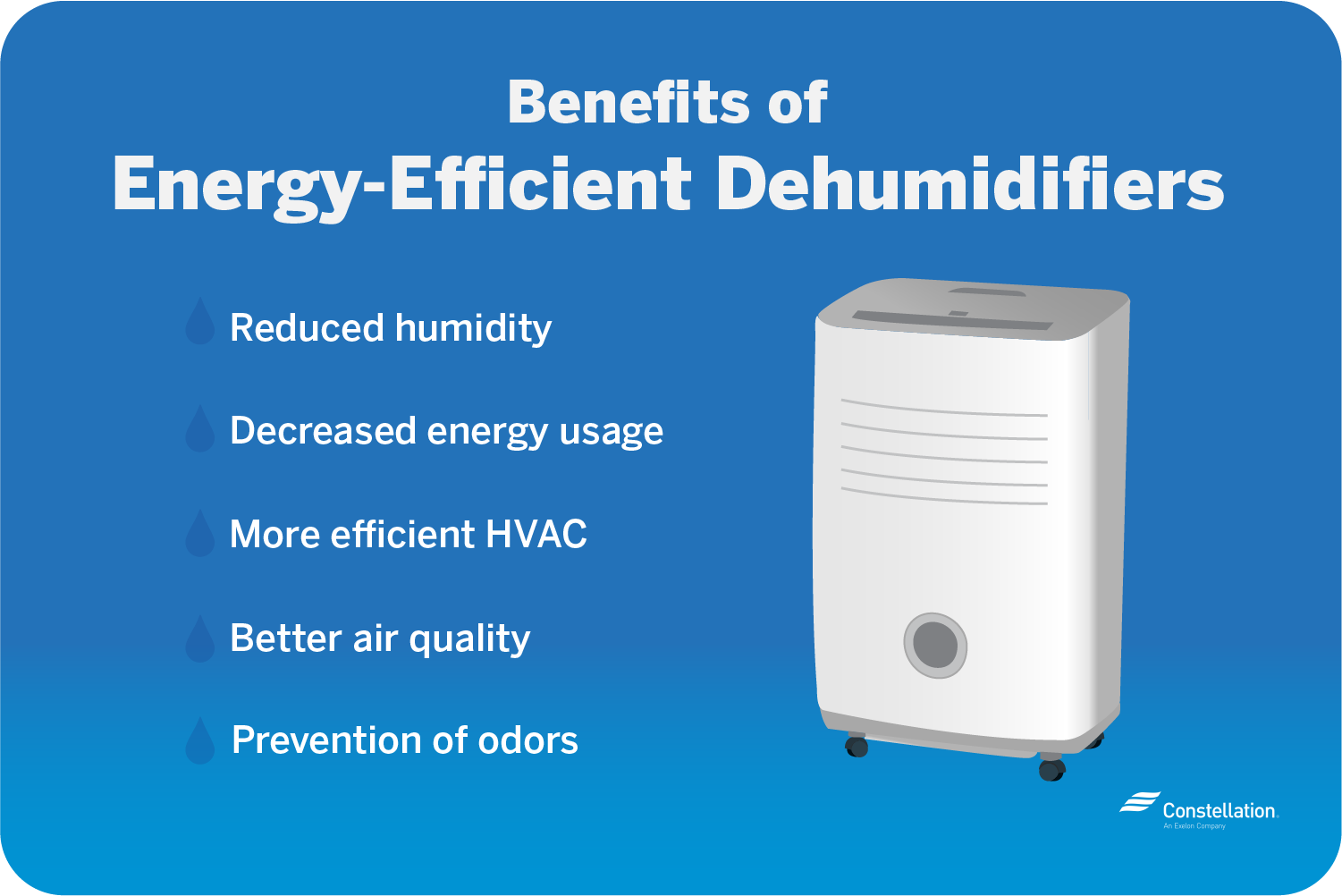
Ever walked into a room and felt like you could cut the air with a knife? That muggy, sticky feeling that clings to everything? That's where your trusty dehumidifier comes in, a real superhero for home comfort! It quietly sucks all that excess moisture out of the air, leaving you with that lovely, breathable feeling.
But then, a little thought might sneak in: “How much is this magical moisture-muncher going to cost me on the electricity bill?” It’s a totally fair question! Nobody wants to trade swampy air for a shocking power bill. So, let’s talk about how much power a dehumidifier uses, simply.
Your Dehumidifier: The Thirsty Helper
Think of your dehumidifier like a diligent robot sponge. It draws in humid air, cools it down to condense the water (like beads on a cold glass), and then releases drier air back into the room. Simple and effective!
Must Read
To do its job, it needs electricity, measured in watts. Your electricity bill calculates usage in kilowatt-hours (kWh). Don't let the terms intimidate you; the main thing to know is that your dehumidifier isn't always running full tilt. Most have a humidistat (like a thermostat for humidity) that turns it on only when needed and off when the air is just right. Smart, right?
So, How Much Juice Does It Sip?
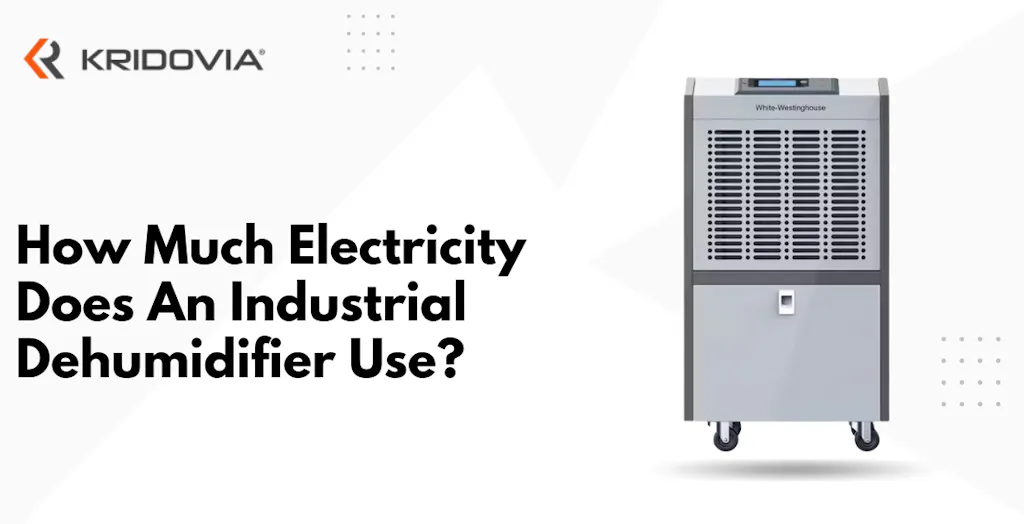
A typical home dehumidifier usually consumes between 300 to 700 watts when actively working. To put that in perspective, is it a greedy monster or a gentle sipper?
- A standard refrigerator, running almost constantly, uses about 100-250 watts.
- Your flat-screen TV? Around 50-200 watts.
- A microwave zapping dinner? A powerful 600-1500 watts, but only for short bursts.
So, your dehumidifier is somewhere in the middle. Not a tiny nightlight, but not the energy hog of your dryer or electric oven either. And remember, it only runs when necessary, thanks to that clever humidistat!

What Makes It Work Harder (or Smarter)?
Just like a car’s fuel efficiency changes with how you drive, several factors influence your dehumidifier's power use:
1. Unit Size & Room Size
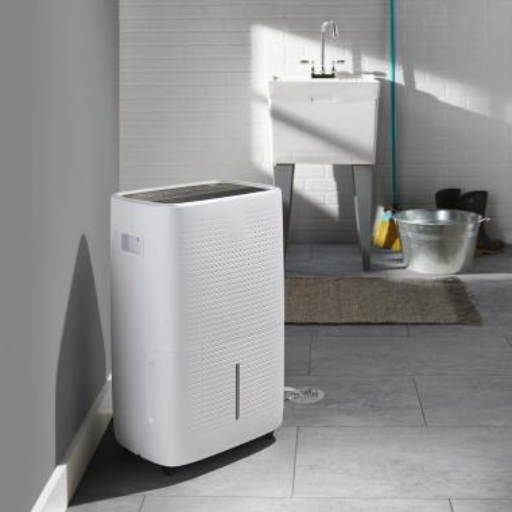
A small 30-pint unit in a huge, damp basement will work overtime and gulp more power. Match your dehumidifier's capacity to the space for optimal efficiency. Think of it like using the right size bucket for the job!
2. How Humid is It?
If your home feels like a jungle, your dehumidifier will work much harder to pull out all that moisture than if it's just a little damp. The wetter the air, the more energy it consumes.
3. Your Desired Dryness
Do you want air that's desert-dry or just comfortably crisp? Setting your humidistat to a super low percentage (e.g., 30%) will make the unit run more often than a comfortable 45-50% humidity level. Aim for comfortable, not over-dried!
4. Energy Star is Magic!
When shopping, always look for the Energy Star certified label. These units remove the same amount of moisture using significantly less electricity. It's your golden ticket to efficiency!
Why You Should Care
While saving money is fantastic, there are even more reasons to care about your dehumidifier's power use and efficiency:
Your Comfort & Mood
Sticky, muggy air feels… yucky. It makes you feel clammy, sleep poorly, and can even affect your mood. A dehumidifier brings down the humidity, making your home feel lighter, fresher, and simply more pleasant. No more feeling like you’re swimming through the air!
Protect Your Home & Health
High humidity is an open invitation for mold and mildew – those sneaky villains that can trigger allergies, damage furniture, and ruin electronics. By controlling humidity, your dehumidifier becomes a shield, protecting your family’s health and your home's treasures.
A Happy Wallet
Of course, smart energy use means lower utility bills. Those saved dollars aren't just numbers; they're funds for treats, nights out, or building up your savings. Every little bit helps, right?

Smart Tips for an Energy-Savvy Dehumidifier
Want to make your dehumidifier work smarter?
- Set It Right: Aim for a comfortable 45-50% humidity. No need for Sahara-dry air.
- Seal It Up: Keep windows and doors closed in the area you're drying. Don't let new moist air sneak in!
- Clean Those Filters: A clogged filter makes your unit less efficient. Regular rinsing or replacement keeps it humming.
- Go Energy Star: If buying new, prioritize this label for efficiency.
- Give It Room: Don't tuck it against a wall. Ensure air circulates freely around it.
The Dry Bottom Line
A dehumidifier uses enough power to make a real difference in your home, but not so much it'll drain your bank account, especially if used wisely.
Think of it as a diligent friend. Treat it with a little care and understanding, and it will reward you with crisp, clean air and a home that feels just right. Go forth and dehumidify, my friend! Your home and wallet will thank you.