
How Much Nuclear Energy Is Used In The United States
Ever wonder where your electricity comes from? You flip a switch, and BAM! Lights. But what powers that magic? Let's peek at one of the big players: Nuclear Energy!
So, how much of this stuff do we actually use in the United States? It's more than you might think! Get ready for some electrifying facts.
The Nuclear Powerhouse: A US Story
Think of the US electricity grid as a giant pizza. Nuclear energy? It takes a pretty big slice! It's not the whole pie, but a substantial piece of the action.
Must Read
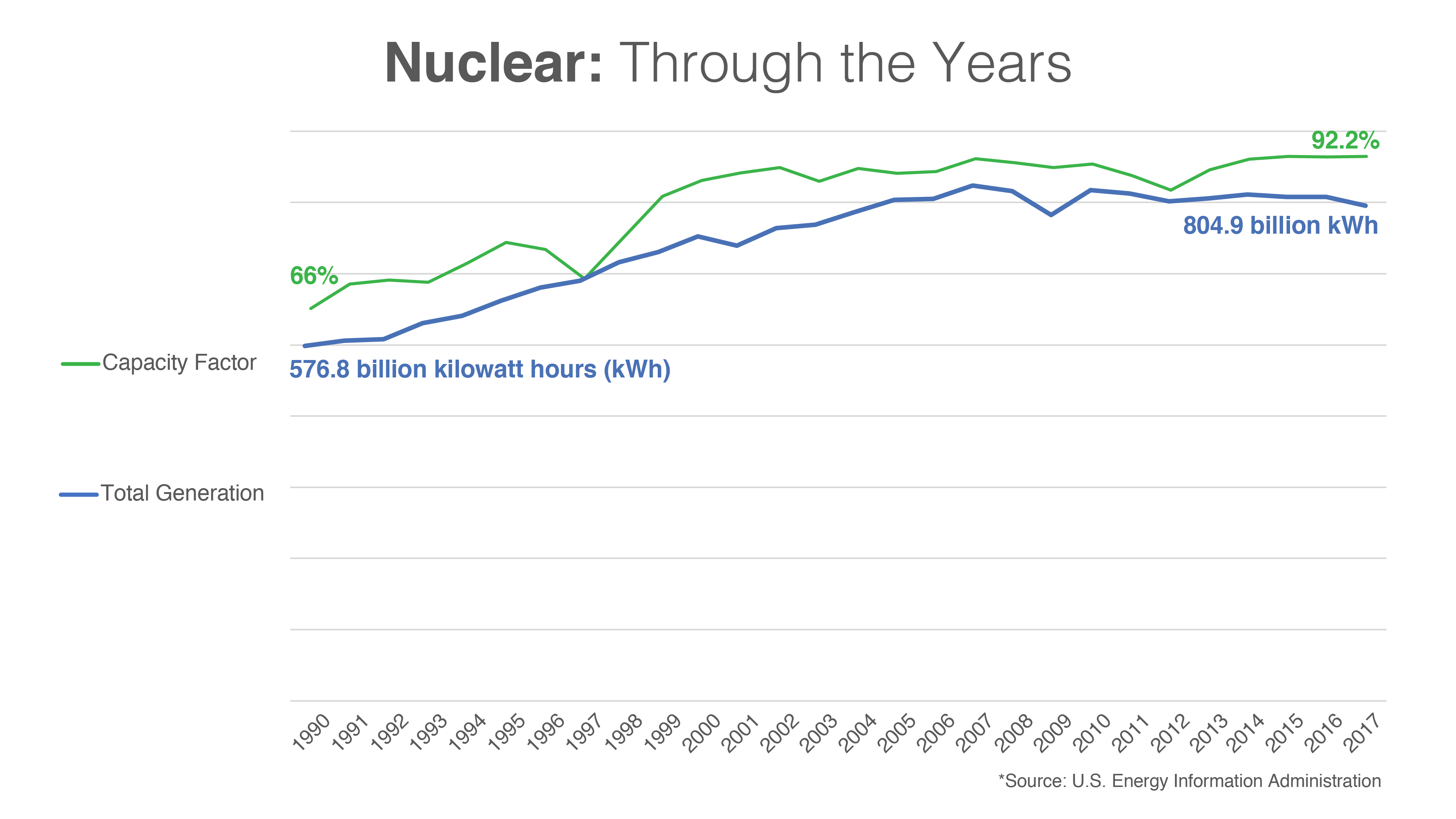
Currently, nuclear energy provides about 20% of the electricity in the United States. That's right, one-fifth of the juice that powers your phone, TV, and that oh-so-important coffee maker.
That makes it the largest source of carbon-free electricity in the nation. Pretty cool, huh?
Zooming In: The Reactor Landscape
Okay, 20% is a big number, but where does it all come from? The answer? Nuclear power plants! These aren't your cartoonish, glowing green towers. (Though that would be entertaining.)
The US boasts a fleet of nuclear reactors that are carefully controlled, high-tech facilities. Currently, there are about 93 operating nuclear reactors spread across 28 states.
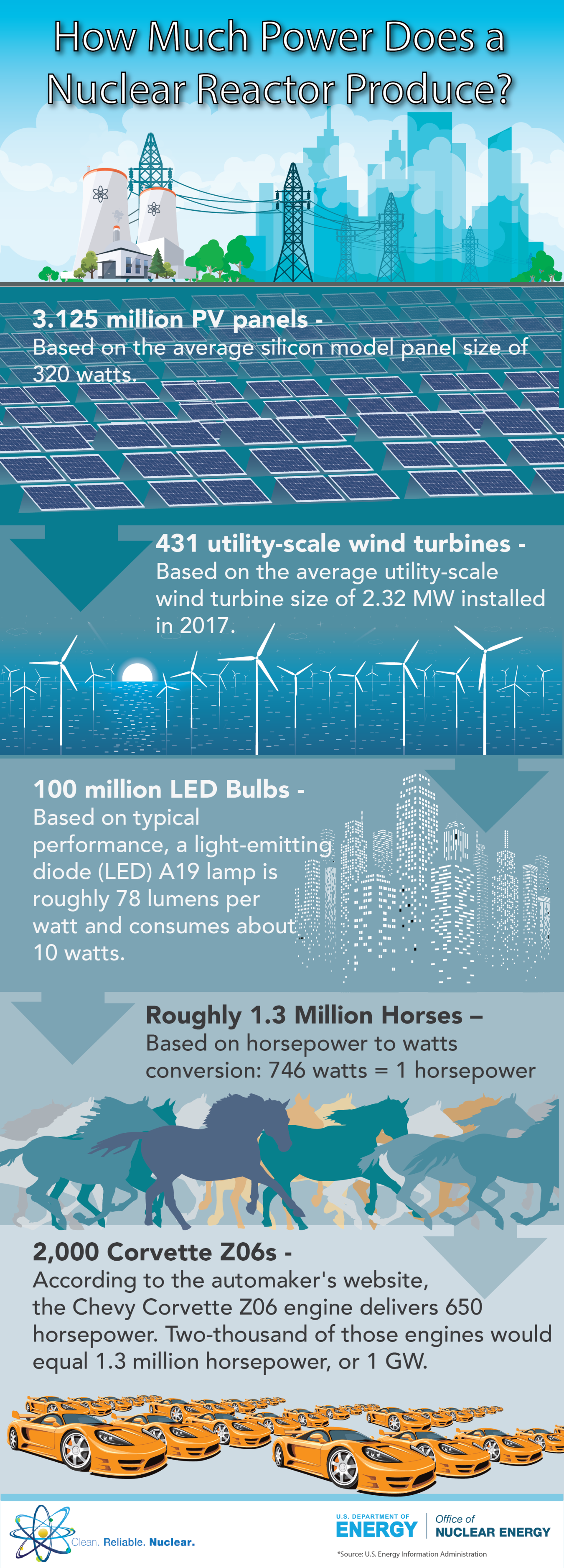
Think of each reactor as a mini powerhouse, humming away and churning out electricity. Each one is a testament to human ingenuity and a surprisingly reliable workhorse.
Why Nuclear? The Perks (and Quirks)
So why are we using nuclear energy in the first place? Well, it's a bit like having a superpower – it can generate a LOT of electricity.
Nuclear power plants have a high capacity factor. That is, they can run pretty much constantly, generating electricity most of the time.

This is a great advantage over other sources like solar or wind, which depend on the weather. Sunshine and wind are great, but a bit unreliable for consistent power.
It also generates electricity with very little greenhouse gas emissions during operation. Reducing carbon footprint is a big deal these days!
Of course, it's not all sunshine and roses. There are challenges, such as the storage of nuclear waste. This is a hot topic (pun intended) and one that scientists and engineers are working hard to solve.
The Future is Now: Nuclear's Next Chapter
What about the future of nuclear energy in the US? Will it stay the same, fade away, or become even bigger? The answer is, well, complicated! But it’s certainly a conversation worth having.
There's a renewed interest in nuclear energy. People are realizing that it's a valuable tool in fighting climate change, thanks to its low-carbon emissions.
New technologies, like small modular reactors (SMRs), are being developed. These are smaller, more efficient, and potentially safer than traditional reactors.
Imagine a bunch of these SMRs scattered around the country, quietly generating clean electricity. It is an interesting picture, isn't it?
Breaking It Down: State by State
While nuclear power provides about 20% of the nation's electricity, it’s not evenly distributed. Some states rely on nuclear power much more than others.
For example, states like South Carolina, Illinois, and New Hampshire get a large percentage of their electricity from nuclear power plants. These states are really leaning into the nuclear option!
Other states use very little or none at all. It depends on their energy policies, resources, and priorities.
The Nuclear Debate: Hot or Not?
It's important to know that nuclear energy is a controversial topic. Some people are huge fans, while others are much more skeptical. It’s totally understandable!
Proponents argue that it's a reliable source of clean energy that can help us reduce our reliance on fossil fuels. They see it as a necessary tool in the fight against climate change.
Opponents worry about the risks of accidents and the challenge of storing nuclear waste safely. They prefer to focus on renewable energy sources like solar and wind.
The truth is that there are valid points on both sides. A balanced approach, weighing the pros and cons carefully, is key.
Beyond Electricity: Other Nuclear Uses
Did you know that nuclear technology is used for more than just generating electricity? It's true! It pops up in some surprising places.
In medicine, radioactive isotopes are used to diagnose and treat diseases. It's a vital tool in the fight against cancer and other illnesses.
In agriculture, nuclear techniques help to improve crop yields and control pests. Think bigger harvests and healthier food!
Even in space exploration, nuclear power provides energy for spacecraft on long missions. Those probes exploring the far reaches of our solar system? Some are nuclear powered.
The Global Picture: US vs. The World
How does the US compare to other countries in terms of nuclear energy use? Well, it's a major player, but it's not alone in the nuclear game.
France, for example, gets a much larger percentage of its electricity from nuclear power. They're practically nuclear pros!
Other countries, like Germany, are phasing out nuclear power in favor of renewable energy sources. Different strokes for different folks.

Each country has its own unique energy mix, depending on its resources, policies, and priorities. It’s a fascinating global energy puzzle.
Making Sense of It All
So, to sum it up, nuclear energy plays a significant role in the United States. It provides a large chunk of our electricity and is a major source of carbon-free power.
There are challenges and controversies, but also potential benefits. New technologies are being developed, and the future of nuclear energy is still being written.
By understanding the facts and weighing the different perspectives, we can make informed decisions about our energy future. And that's something we can all get behind!
Dig Deeper: Your Nuclear Adventure Begins!
Want to learn more about nuclear energy? There are tons of resources available online and in libraries. It's a fascinating topic, and the more you know, the better!
Check out the websites of the Department of Energy, the Nuclear Regulatory Commission, and various energy organizations. You'll find a wealth of information, from basic facts to in-depth reports.
So go ahead, dive into the world of nuclear energy. You might be surprised at what you discover!