
How Much Money Does A Wind Turbine Generate
Okay, so picture this: I'm driving through Texas, right? Endless fields, big sky, and then BAM! A forest of these giant, graceful windmills slicing through the air. I couldn't help but wonder, staring at them spin: are those things actually making a dent in our energy needs? Or are they just really expensive lawn ornaments? That got me thinking...how much moolah are we talking about per turbine?
And that, my friends, is the question we're tackling today: Just how much money does a wind turbine actually generate?
Breaking Down the Basics: It's All About Capacity and Location
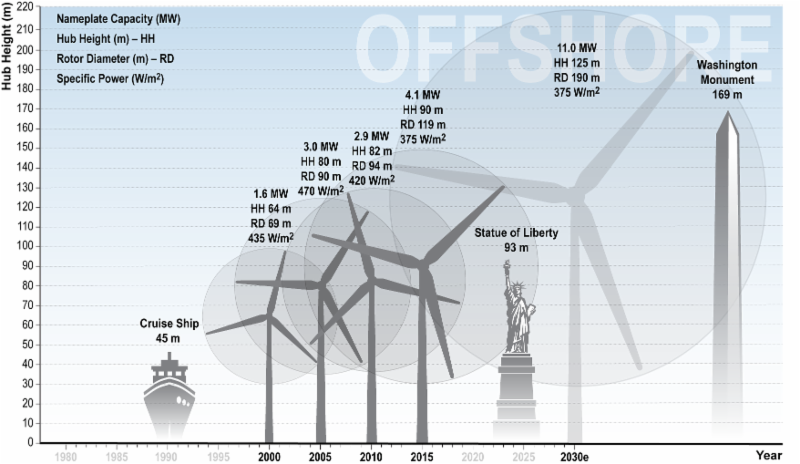
First, let's not pretend every wind turbine is created equal. Think of it like cars. A tiny little Fiat isn't going to haul as much as a Ford F-350, right? Same deal. Wind turbines have different capacity ratings, measured in megawatts (MW). This rating tells you the maximum amount of power the turbine could produce under perfect wind conditions. A typical modern wind turbine might have a capacity of around 2-3 MW, but some giants are pushing 5 MW or even more!
Must Read
Side note: MW stands for megawatt. One megawatt is a million watts. Just picture trying to power a million old-school lightbulbs at once. That's a lot of juice!
But here's the kicker: perfect wind conditions are, well, rarely perfect. That's where the concept of capacity factor comes in. This is the percentage of time that a wind turbine actually operates at its maximum capacity. Location is everything when it comes to this. A turbine stuck in a sheltered valley isn't going to be spinning nearly as much as one perched on a windy hilltop. Average capacity factors range from 30-50%. So, that 3 MW turbine might only be churning out the equivalent of 1 MW on average.
So, the formula is like this: Capacity (MW) x Capacity Factor x Hours in a Year (8760) = Annual Energy Production (MWh).
From Megawatt-Hours to Money: Let's Do Some Math!
Okay, we've got our megawatt-hours (MWh). Now we need to turn that into cold, hard cash. To do that, we need to know the price of electricity in the area where the turbine is located. This fluctuates wildly based on factors like supply and demand, time of day, and even the weather. Think of it like gas prices – they're never the same from one town to the next!
Pro tip: You can usually find average electricity prices for your region online. Just Google "[your state/region] electricity prices".

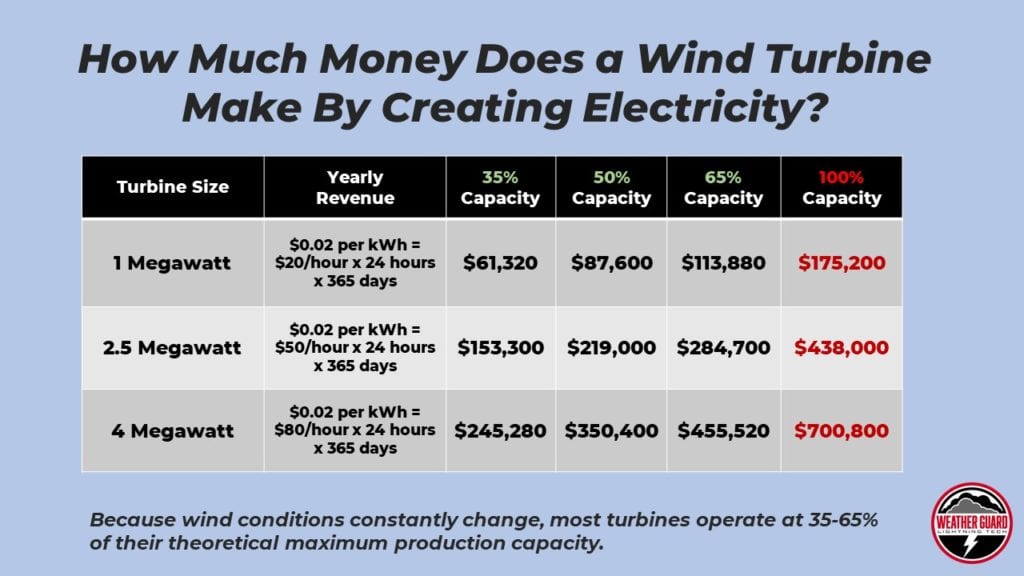
Let's say, for example, the average price of electricity is $50 per MWh. (Yeah, I know, it varies wildly, but let's keep it simple, ok?). So, going back to our 3 MW turbine with a 40% capacity factor:
3 MW x 0.40 x 8760 hours = 10,512 MWh

10,512 MWh x $50/MWh = $525,600
So, in this highly simplified scenario, our single wind turbine is generating over half a million dollars a year! Not too shabby, eh?
Don't Forget the Expenses!
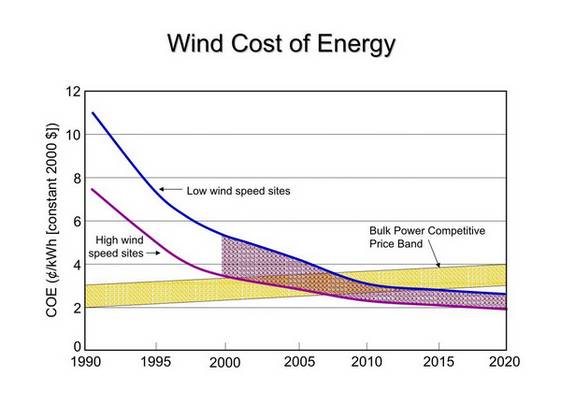
Hold your horses there, partner! Before you start picturing yourself swimming in piles of cash, remember that wind turbines aren't free to operate. There are maintenance costs to consider: replacing worn parts, keeping the blades clean, and general upkeep. Land lease costs are also a factor. And let's not forget the initial investment. Wind turbines are expensive to build and install!
These costs can significantly eat into the revenue, sometimes taking a large percentage of the annual revenue. It's kind of like buying a fancy sports car – the sticker price is just the beginning!
The Bottom Line: It's Complicated, But Potentially Profitable
So, how much money does a wind turbine generate? As you can see, there's no easy answer. It depends on a whole bunch of factors, including the size of the turbine, the wind conditions in the area, the price of electricity, and the operational costs. Some turbines in windy locations are incredibly profitable, while others might barely break even.
But here's the good news: wind power is a growing industry. Technology is improving, costs are coming down, and the demand for clean energy is only increasing. While not a guaranteed goldmine, a strategically placed and well-maintained wind turbine can definitely be a valuable asset. Plus, you get the satisfaction of knowing you're contributing to a more sustainable future! Now that’s something worth spinning in circles about!