How Much Longer Does Vacuum Sealed Food Last

Let's face it, who doesn't love the idea of making food last longer? It's like unlocking a superpower in the kitchen! Vacuum sealing is all the rage, and for good reason. It promises to keep our leftovers, bulk buys, and even garden harvests fresher for way longer. But how much longer exactly? That's the golden question we're diving into today. It's a practical skill, a potential money-saver, and, dare I say, a little bit exciting!
Why vacuum seal, anyway? The basic idea is simple: remove the air. Air is the enemy when it comes to food spoilage. It harbors bacteria and moisture, both of which speed up the decaying process. Vacuum sealing sucks all that air out, creating a barrier that significantly slows down oxidation and bacterial growth. So, who benefits from this? Pretty much everyone!
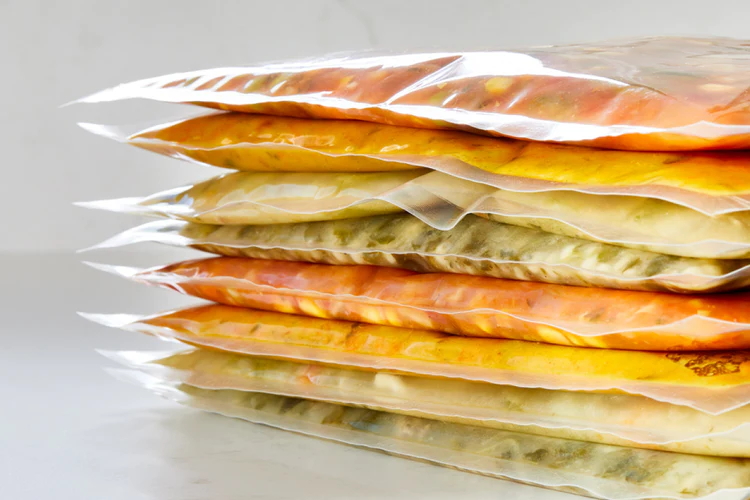
For beginners, vacuum sealing is a fantastic way to reduce food waste. Tired of throwing away wilted lettuce or moldy cheese? A vacuum sealer can extend the life of these everyday items, giving you more time to use them. For families, especially those buying in bulk, vacuum sealing is a game-changer. Think about buying a huge package of chicken breasts and portioning them out into individual vacuum-sealed bags for easy freezer storage. It prevents freezer burn and keeps the chicken fresh for months! And for hobbyists, like gardeners or hunters, vacuum sealing is essential for preserving the fruits (or meats!) of their labor. Imagine the satisfaction of enjoying your homegrown tomatoes in the middle of winter, perfectly preserved.
Must Read
So, how much longer are we talking? Here's a general guideline:
- Refrigerator: Vacuum sealing can typically extend the life of refrigerated foods by 2-3 times. For example, cooked meat might last 3-4 days in the fridge normally, but 1-2 weeks when vacuum sealed.
- Freezer: The difference is even more dramatic in the freezer. Vacuum sealing can prevent freezer burn and extend the life of frozen foods for months, even years, beyond their normal freezer lifespan. Ground beef, for example, might last 6 months in the freezer normally, but up to 2-3 years when vacuum sealed.
Examples and Variations: Think beyond just leftovers! Vacuum seal individual portions of snacks for easy grab-and-go lunches. Marinate meats in vacuum-sealed bags for maximum flavor absorption. Use vacuum sealing to protect important documents or valuables from moisture damage. The possibilities are endless!

Getting Started: Simple Tips
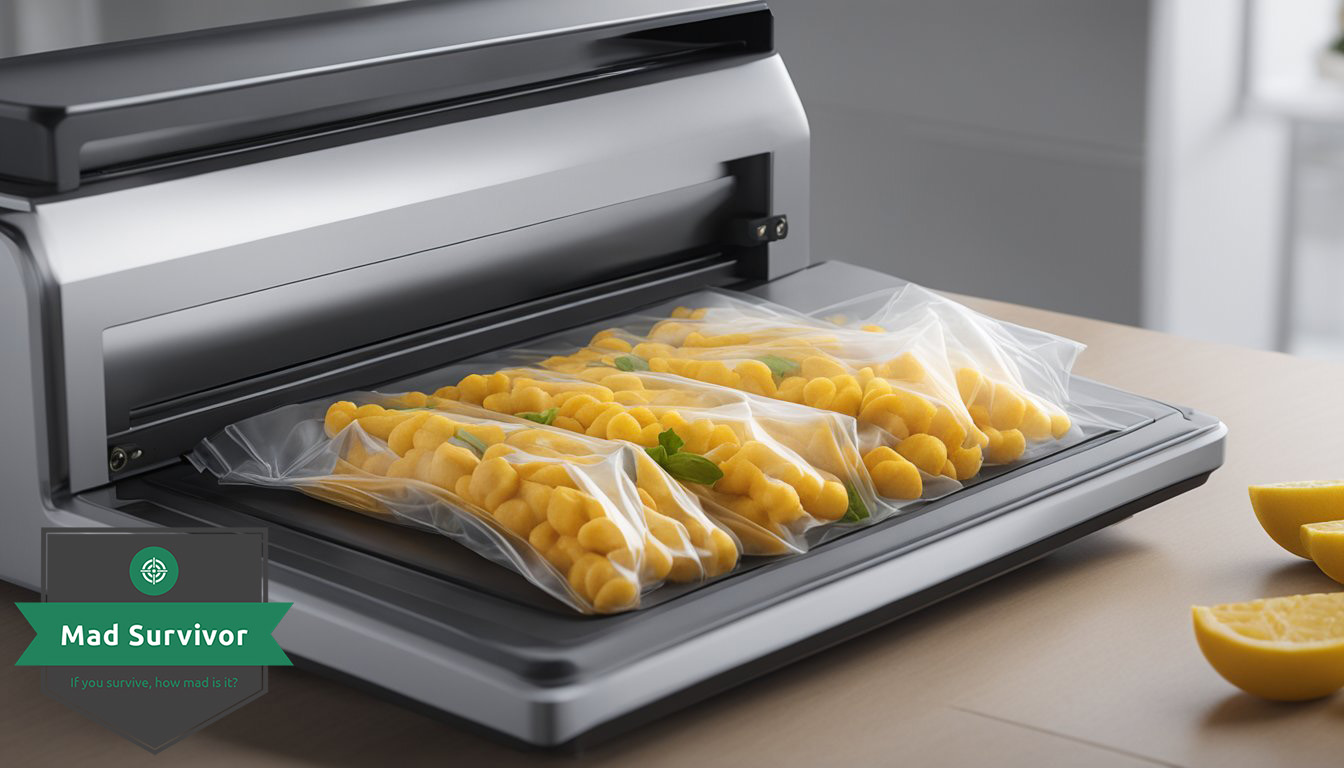
- Choose a Sealer: There are tons of vacuum sealers on the market, from basic models to more advanced ones with features like moist/dry food settings. Start with a basic model and upgrade later if you find you need more features.
- Use the Right Bags: Make sure you're using bags specifically designed for vacuum sealing. These bags are thicker and more durable than regular plastic bags.
- Proper Preparation: Ensure food is properly cooled before vacuum sealing to prevent moisture buildup.
- Label Everything: Don't forget to label your bags with the date and contents! This will save you headaches later.
Vacuum sealing isn't just about extending shelf life; it's about minimizing waste, saving money, and enjoying fresher, more flavorful food. It's a kitchen skill that pays off in so many ways, offering peace of mind and a little bit of kitchen magic. Go ahead, give it a try! You might be surprised at how much you enjoy it.