
How Much Kwh Does A Home Use
Ever stared at your electricity bill like it’s written in an alien language? You’re not alone. Most of us just sigh, pay it, and move on, muttering something about "the grid" or "the kids leaving lights on." But deep down, don't you secretly wonder: how much power does my house actually eat?
Let's demystify that mysterious three-letter acronym: kWh. It stands for kilowatt-hour. Think of it like this: a watt is how much power an appliance uses at any given moment. A kilowatt is a thousand watts. And a kilowatt-hour? That's when you run a thousand-watt appliance for one full hour. Simple, right? Or as simple as taxes, anyway.
So, What's the Average Gig?
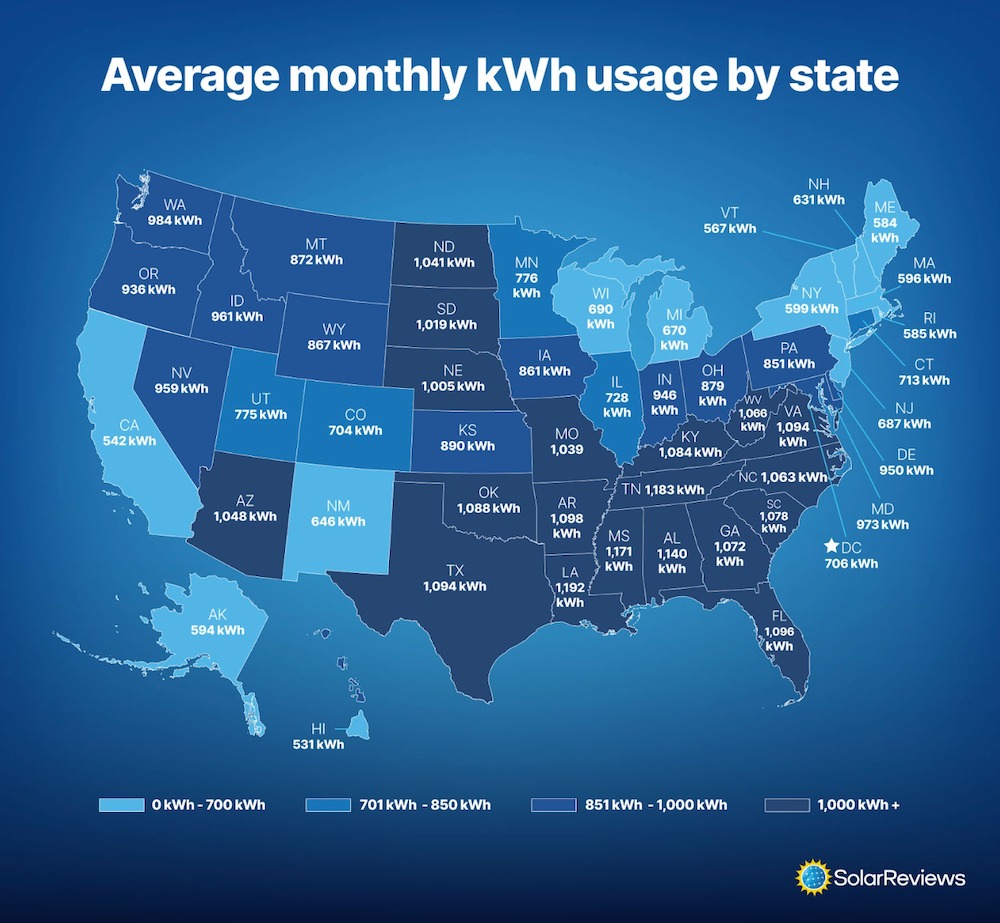
Alright, let's get down to brass tacks. In the good ol' US of A, the average residential customer chews through about 893 kWh per month. That's nearly 900 kWh! To put that in perspective, imagine running a thousand 100-watt light bulbs for nine hours straight. Don't try that at home, unless you're trying to signal aliens.
Must Read
But here's the kicker: that's just an average. Your home might be a frugal monk or a power-hungry dragon, depending on a few key players. Let's meet the usual suspects.
The Big Hogs: Appliances That Love to Guzzle
If your electricity bill were a detective story, these guys would be the prime suspects:
1. Heating and Cooling (HVAC): This is the undisputed champion, the heavyweight title holder of your energy bill. Your AC in summer and your furnace in winter (if it uses electricity) can account for a whopping 30-50% of your total usage. That monster in your basement or attic isn't just blowing air; it's blowing through your wallet. It's like having a tiny, climate-controlling dragon that needs constant feeding.
2. The Water Heater: Ah, hot showers. Luxurious, essential... and expensive. Your water heater is the second biggest energy hog, often gobbling up 14-18% of your home's energy. Think about it: it's constantly heating a huge tank of water, ready for your spontaneous desire for a hot bath. It's on standby 24/7, like a superhero waiting for a tiny burst of lukewarm water to become a scalding torrent.
3. The Fridge & Freezer: These silent guardians of your leftovers and ice cream run continuously. While individually not as dramatic as the AC, their constant operation adds up. An average fridge can use anywhere from 100-400 kWh per year, depending on its age and efficiency. Your older fridge might be using enough energy to power a small cottage, just to keep your hummus cool!
4. Washer and Dryer: Laundry day is energy day. While the washer uses a decent amount (especially if you use hot water), the dryer is the real villain here. Tumble drying a load of clothes can consume 2-4 kWh per load. If you do three loads a week, that’s easily 300-600 kWh a year. Consider your clothesline a tiny, environmentally friendly protest banner against high bills.
5. Lighting: Remember those old incandescent bulbs that doubled as tiny heaters? They were energy guzzlers. Swapping them for LEDs is one of the easiest ways to save. An old 60-watt bulb running 4 hours a day uses about 87 kWh a year. An equivalent LED uses just 10 kWh. That’s like trading a gas-guzzling SUV for a sleek electric scooter.
The Sneaky Sucker-Uppers: Phantom Loads!
Even when your devices are "off," many are still drawing power. We call this "vampire power" or "phantom load." Your TV, computer, phone charger, game console, coffee maker – anything with a little light, a clock, or a standby mode – is sipping electricity like a tiny, invisible cocktail. These sneaky little goblins can account for 5-10% of your total electricity bill. That's right, your PlayStation is still drawing power while you sleep, dreaming of saving the world.
What Else Pushes the Needle?
Beyond the appliances, several factors play a starring role in your kWh count:
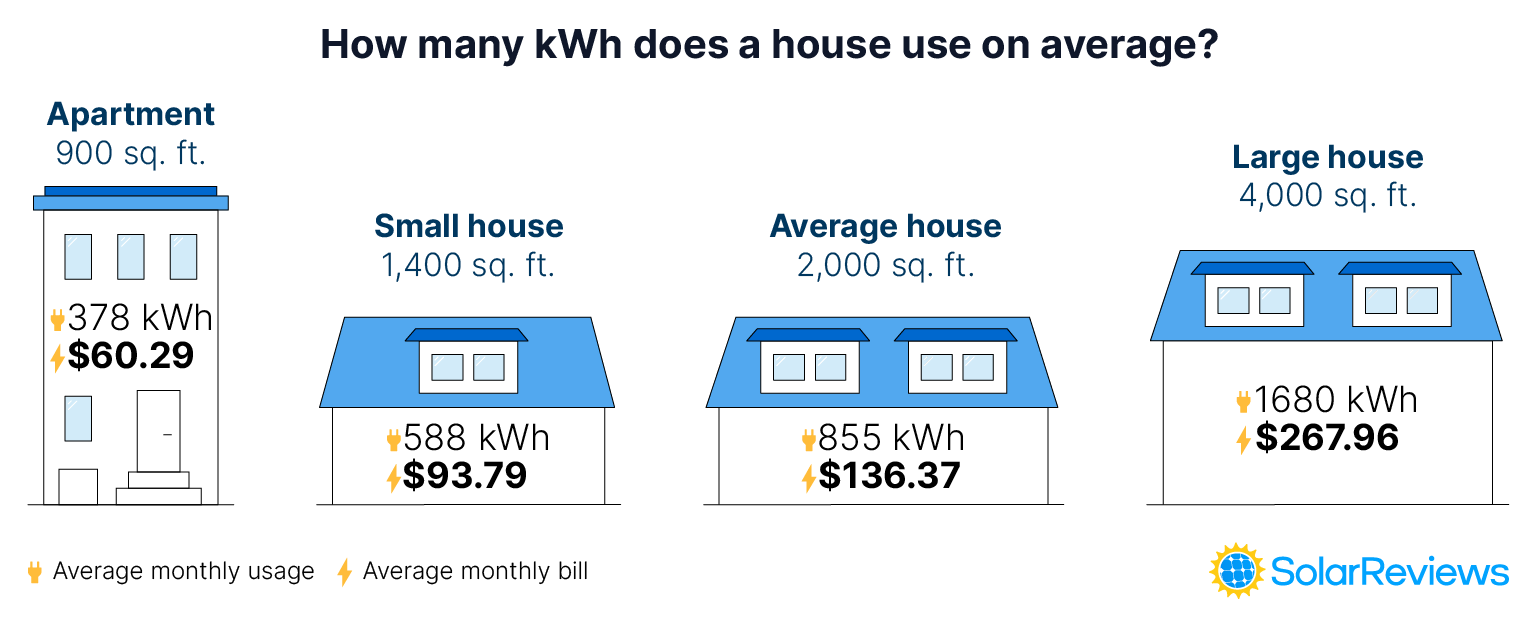
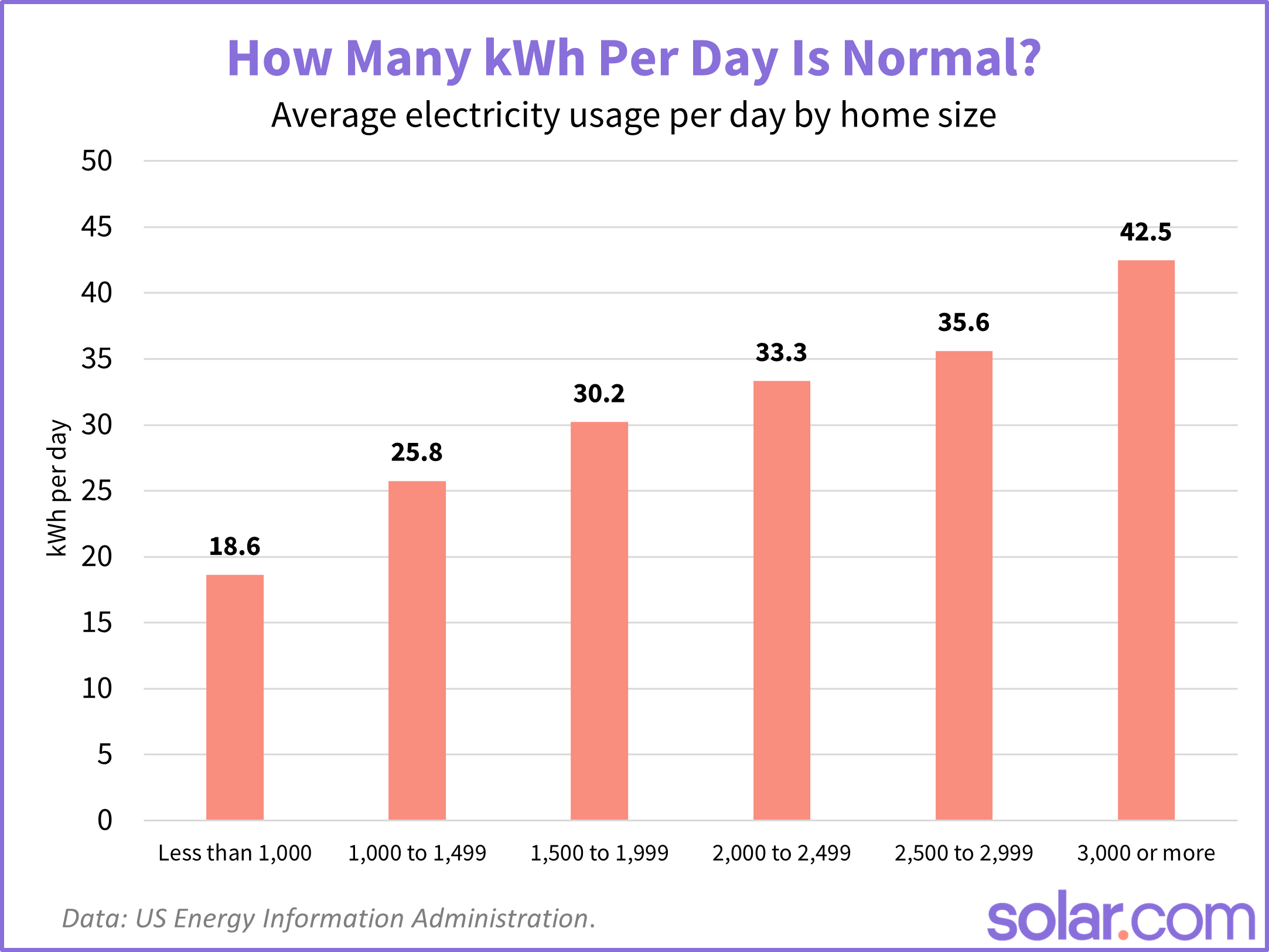
- Size of your home: Bigger home, more space to heat/cool, more rooms to light. It's simple geometry, folks.
- Number of occupants: More people usually means more showers, more laundry, more lights on, more devices charging. It’s a party for your power meter!
- Climate: Live somewhere with extreme summers or brutal winters? Your HVAC will work overtime, and so will your bill.
- Your habits: Are you a marathon shower-taker? Do you leave lights on in empty rooms? Is your gaming PC on 24/7 "just in case"? Your lifestyle choices are directly reflected in that monthly statement.
The Shocking Truth (and Some Fun Facts)
Think about this: a typical hairdryer uses about 1,500 watts. If you use it for 10 minutes, that's 0.25 kWh. Not much, right? But charging your phone (a paltry 5-10 watts) all day, every day for a year uses only about 2-4 kWh total! That means using your hairdryer for one hour uses more power than charging your phone for an entire year. Mind blown, right?
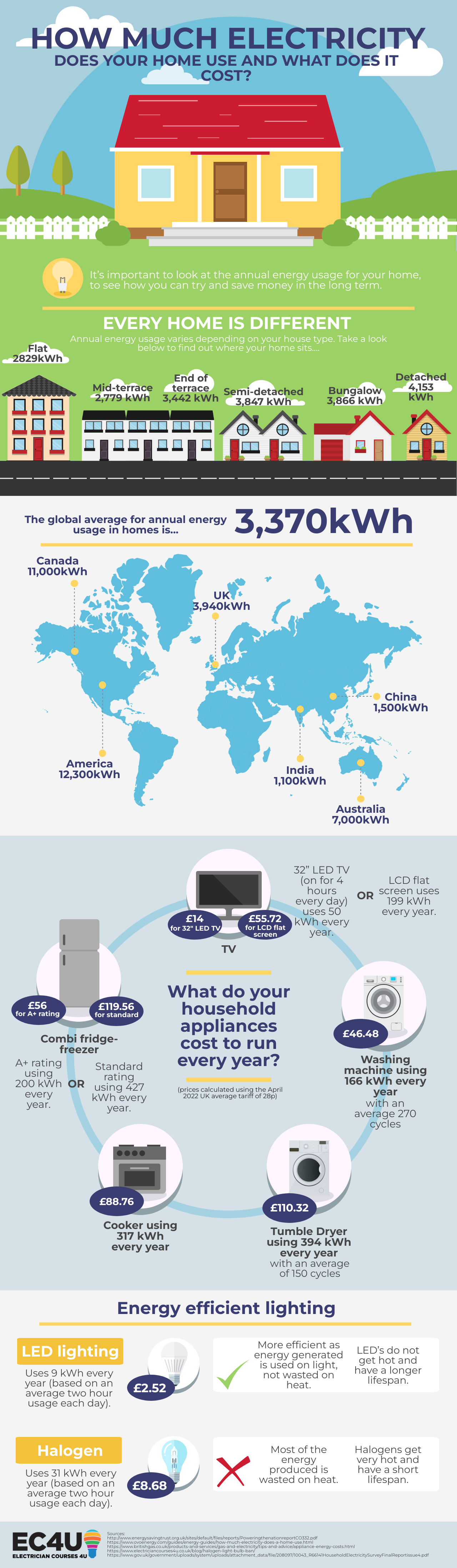
Or consider your oven. Baking a casserole for an hour can easily chew through 2-4 kWh. So that delicious lasagna? It comes with a side of energy consumption.
So, What Now?
Understanding how much kWh your home uses isn't just about dreading the bill. It's about empowerment! Now you know the big players and the sneaky little energy vampires. You can start making informed choices, like turning off lights, unplugging unused electronics, embracing shorter showers, and maybe, just maybe, telling that AC unit to chill out a little.
Your home's electricity usage isn't some cosmic mystery. It's a direct reflection of how you live and the devices you use. So next time you get that bill, you can stare at it with a newfound understanding, a mischievous grin, and maybe a plan to outsmart those energy hogs. Go forth and conquer your kWh!