How Much Is Electric Vehicle Charging Station
Thinking about plugging into the electric vehicle (EV) revolution? That's fantastic! One of the first questions many people ask is, "How much does it actually cost to charge an EV?" It’s a valid question, and the answer is surprisingly nuanced – but also surprisingly affordable, often cheaper than filling up at the gas pump. Let's break down the costs and make sense of it all.
Why is this important? Whether you're an EV newbie, a family considering switching to electric, or an eco-conscious hobbyist, understanding charging costs is crucial. For beginners, it helps demystify the whole EV experience. For families, it allows for accurate budgeting and comparison with traditional gasoline vehicles. And for hobbyists, optimizing charging habits can become a fun and rewarding pursuit, maximizing savings and minimizing environmental impact.
The cost of charging an EV isn't a fixed number. It depends on several factors, primarily:
Must Read
- Electricity Rates: This is the biggest factor. Electricity prices vary significantly depending on your location, time of day (peak vs. off-peak), and your electricity provider. Check your local utility company's website for current rates.
- Battery Size: EVs with larger batteries will naturally take more electricity to fully charge.
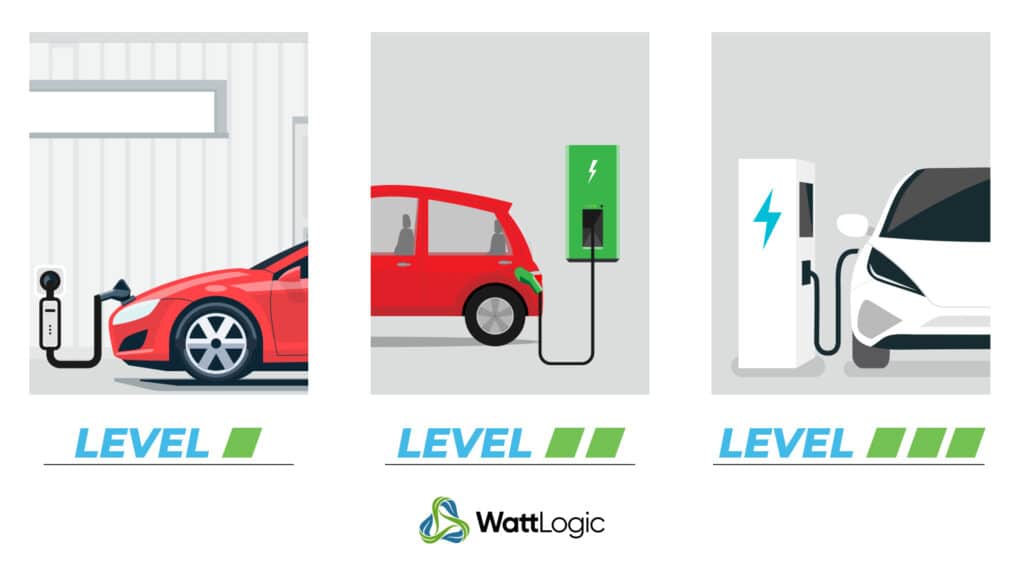
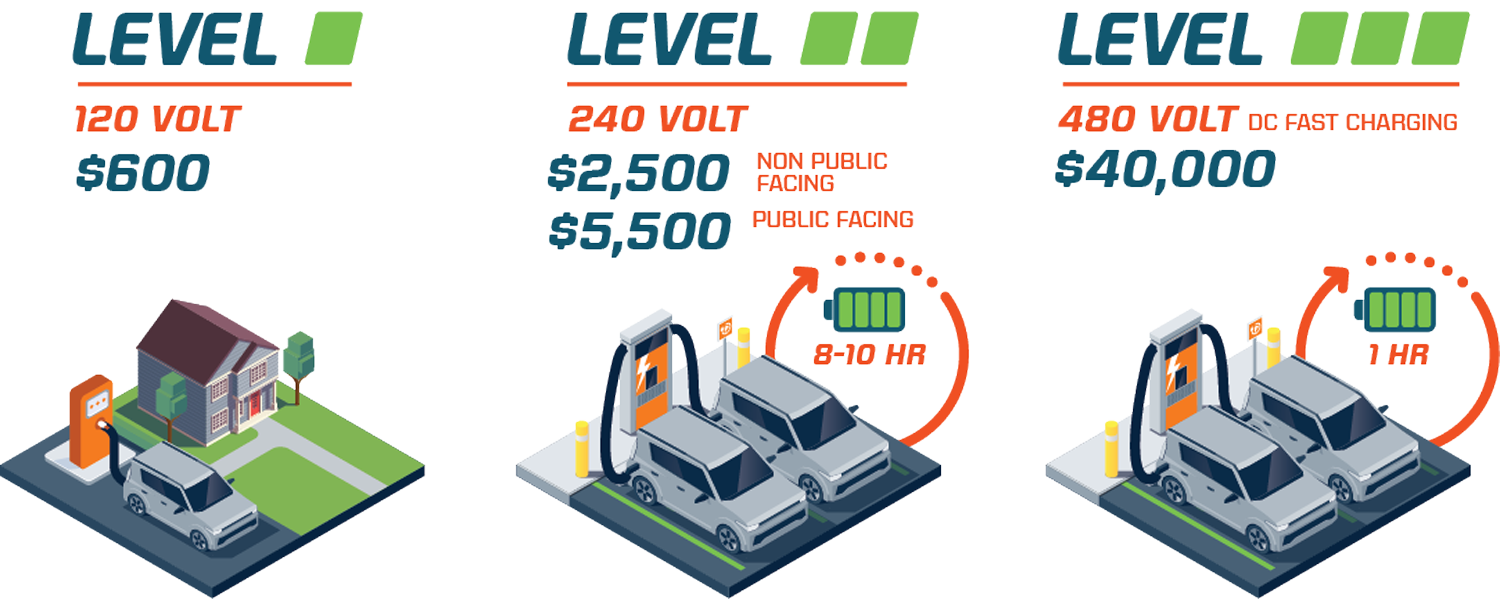
- Charging Level: There are three main levels of charging:
- Level 1 (120V): This is the slowest, using a standard household outlet. It's convenient for topping off, but not ideal for full charges. Cost will vary, but it's generally the cheapest per kilowatt-hour (kWh) since you're using your home's electricity.
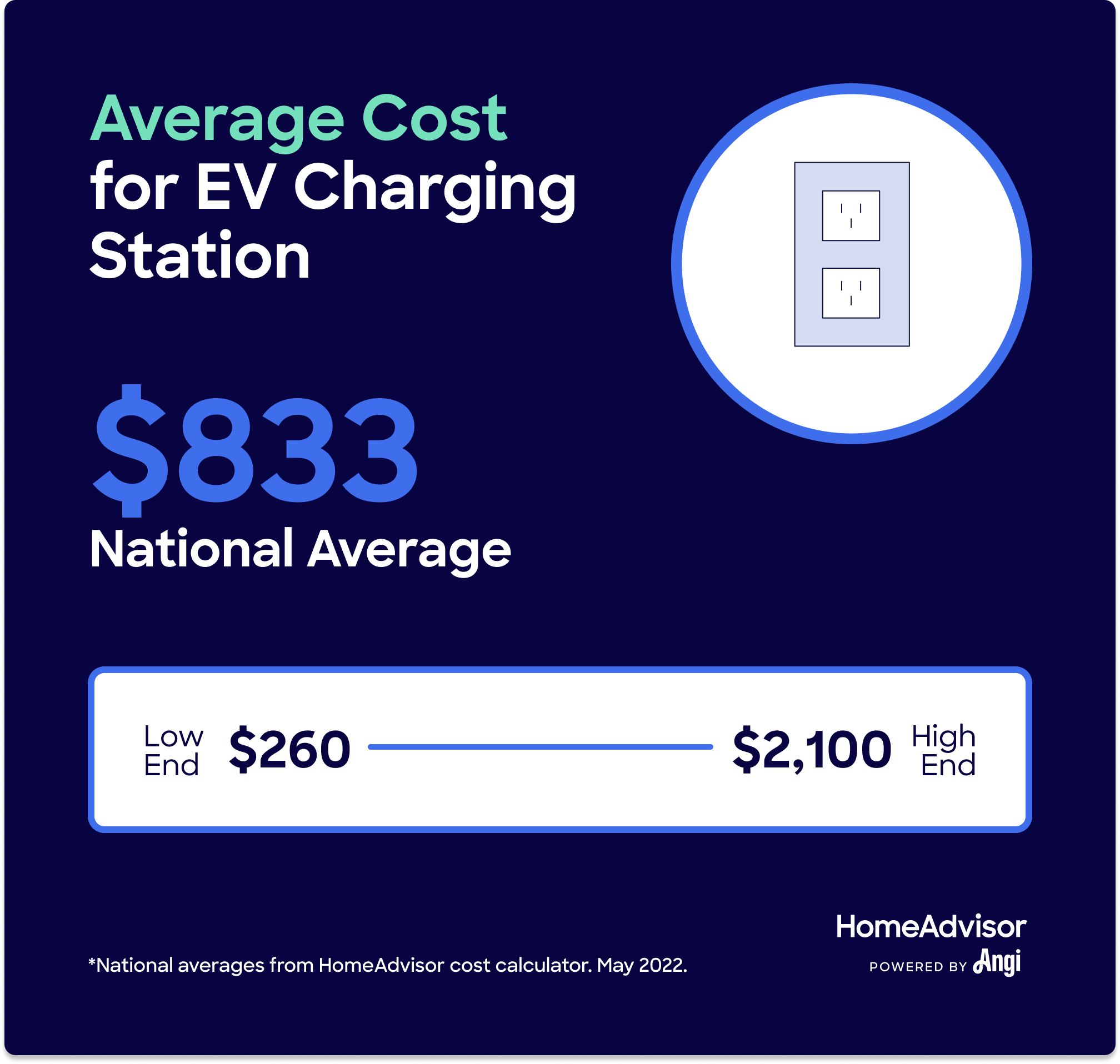
- Level 2 (240V): This is faster and requires a dedicated charging station installed at your home. While the charger itself has an upfront cost, the electricity cost is still based on your home's rate.
- Level 3 (DC Fast Charging): These are public charging stations and are the fastest way to charge. However, they are also the most expensive per kWh, as they include costs for infrastructure and convenience.
- Charging Efficiency: Not all electricity makes it directly into the battery. Some is lost as heat. Different chargers and vehicles have different efficiency ratings.
Examples: Imagine you have a 60 kWh battery EV. Let's say your home electricity rate is $0.20 per kWh. A full charge at home would cost approximately $12 (60 kWh x $0.20/kWh). Now, imagine using a DC Fast Charger where the rate is $0.40 per kWh. A full charge would then cost approximately $24. See the difference?
Practical Tips for Getting Started:
- Download EV charging apps: Apps like PlugShare and ChargePoint help you find charging stations and see real-time pricing.
- Check your utility's EV programs: Many utilities offer discounted rates for EV owners, especially during off-peak hours.
- Consider a Level 2 charger at home: While there's an initial investment, the convenience and faster charging can be worth it.
- Track your charging costs: Use a spreadsheet or app to monitor your electricity usage and spending.
- Take advantage of free charging: Some workplaces, shopping centers, and hotels offer free charging as an incentive.
Electric vehicle charging doesn't have to be a mystery. By understanding the factors that influence cost and taking advantage of available resources, you can confidently and affordably embrace the world of electric driving. So, plug in, power up, and enjoy the ride! The savings, environmental benefits, and sheer driving pleasure of an EV are truly electrifying!