
How Much Is A Electricity Bill

Picture this: you open that email, or worse, that actual envelope, from the power company. Your heart does a little flutter. Is it going to be a gentle whisper of a bill, or a full-blown scream of impending financial doom? You scroll down, or carefully unfold the paper... gulp. Sound familiar?
Yeah, me too. Every single month, it’s like opening a mystery box, isn't it? One month, it’s surprisingly chill; the next, it hits you like a cold, hard slap, leaving you wondering if a small army of gnomes has been secretly mining bitcoin in your basement. And that, my friends, brings us to the universal, slightly panicked question:
How Much IS an Electricity Bill, Really?
It feels less like a fixed expense and more like a cosmic lottery sometimes, doesn't it? We all use electricity, obviously, but what magic (or dark sorcery) determines that final number? Let’s peel back the layers of this electrifying enigma, shall we?
Must Read
First off, let’s get something straight: there’s no single, universal answer. I know, buzzkill. But stick with me! Your electricity bill is like a unique snowflake (if snowflakes gave you anxiety). It’s a cocktail of factors, all shaking up together to present you with that glorious total.
The Big Players on Your Bill Scorecard
When you look at your bill – seriously, go grab one if you’re brave enough – you'll usually see a few key components. Understanding these is half the battle, I promise.

1. Your Usage (The kWh Crew): This is the most direct factor. The more electricity you use, the higher this part of your bill will be. Electricity is measured in kilowatt-hours (kWh). Think of it like miles on your car’s odometer – the more miles you drive, the more gas you use. Your fridge, your lights, your TV, your phone charger... they're all adding to your kWh count.
2. The Rate (The Price Tag): This is how much your utility company charges you per kWh. And guess what? This varies wildly! It depends on where you live, who your provider is, and sometimes even when you use electricity (hello, "time-of-use" rates, looking at you peak hours!). Some places have flat rates, others have tiered rates (the more you use, the more expensive each kWh becomes), and then there are those tricky peak/off-peak rates. It’s like navigating a secret menu at a fancy restaurant – sometimes you need a guide.
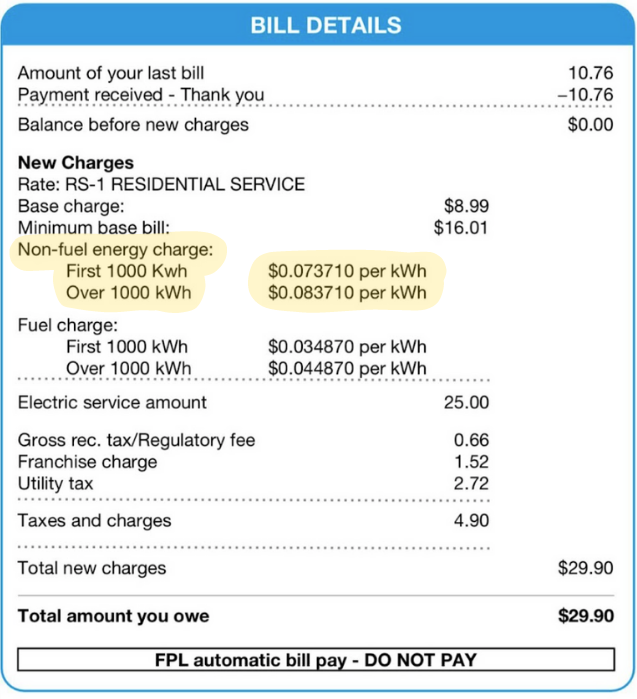
3. Fixed Charges (The Annoying Roommates): Ah, these guys. These are the charges that often appear regardless of how much electricity you actually consumed. We're talking delivery charges, service fees, meter reading fees, taxes, and sometimes even fees for renewable energy initiatives. Think of them as the basic rent you pay just for having the service connected. They’re often non-negotiable and frankly, a bit of a bummer, but they’re usually a smaller portion of the overall bill.
What Makes Your Bill Swing Wildly?
Okay, so we know the components. But what makes one month’s bill so different from the next? Here’s where the real detective work begins, my friend.

- Seasonality (The Weather Report): This is a big one. Running your air conditioning all summer? Or cranking up the electric heater all winter? Ding ding ding! We have a winner for higher bills. Climate control is often the biggest energy guzzler in most homes.
- Your Appliances (The Energy Vampires): Got an old, inefficient fridge? A dryer that takes two cycles to dry anything? An army of gaming consoles and giant TVs? Older appliances, especially, can be real energy hogs. And don't even get me started on the dreaded "phantom load" – that power sucked by devices even when they're turned off but still plugged in. Seriously, it adds up!
- Your Habits (The Human Factor): Leaving lights on in empty rooms? Taking super long, hot showers (if you have an electric water heater)? Binge-watching Netflix with every single light blazing and the AC set to "arctic blast"? Yep, your daily choices have a direct impact.
- Your Home's Efficiency (The Ins and Outs): Is your house old and drafty? Do you have single-pane windows? Poor insulation means your heated or cooled air is literally seeping out, forcing your systems to work harder (and longer) to maintain temperature. It’s like trying to fill a bucket with holes in it.
Taming the Beast: A Few Quick Tips!
Feeling a bit overwhelmed? Don't be! Understanding is the first step towards empowerment. While we can't control the weather or totally ditch those fixed charges, we can make a difference.
- LEDs, Baby! Swap out those old incandescent bulbs for LEDs. They use way less energy and last ages.
- Unplug When Not in Use: Remember those phantom loads? Get a power strip and flip it off, or just unplug those chargers and devices when you're done.
- Mind Your Thermostat: Even a few degrees can make a huge difference. Consider a smart thermostat!
- Embrace Natural Light/Air: Open curtains during the day. Open windows on cool evenings. Give your systems a break.
- Check for Drafts: Weatherstrip doors and windows. Seal up any gaps. Your wallet will thank you.
- Upgrade Wisely: When it’s time for a new appliance, look for ENERGY STAR certified models.
So, how much is an electricity bill? Well, it’s a dynamic, ever-changing beast, influenced by everything from the weather outside your window to that ancient toaster oven in your kitchen. But by understanding the players and making a few mindful changes, you can definitely move from dreading that monthly envelope to, well, maybe just a mild sigh of acceptance.
Because let’s be real, paying for power is a fact of modern life. But being smart about it? That’s just good living. Go forth and conquer your kilowatt-hours!
