
How Much Is A Columbia 300 Bowling Ball Worth
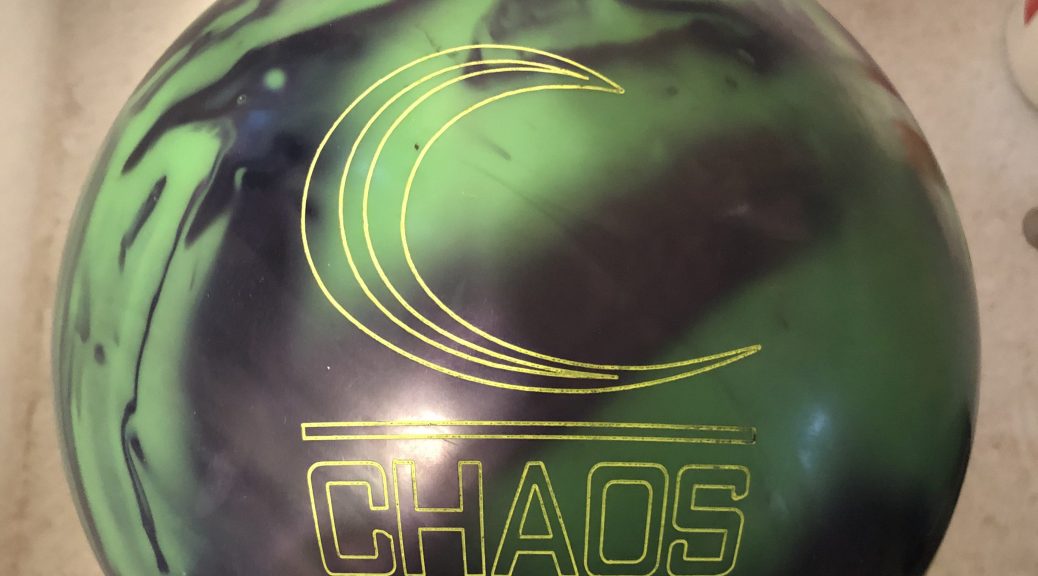
Okay, so picture this: I’m at a garage sale, right? Surrounded by dusty furniture and questionable porcelain dolls. Suddenly, I spot it – a Columbia 300 bowling ball, gleaming under the morning sun. My mind immediately jumps to, "Jackpot! Retirement secured!" (Okay, maybe not retirement, but you get the picture). But then reality hits… how much is this thing actually worth?
That’s the question that plagues every bowling enthusiast and casual garage sale shopper alike. Finding a Columbia 300 ball might feel like striking gold, but its true value is a bit more… nuanced. Let's dive in, shall we?
Factors That Influence Bowling Ball Value
Alright, before you start dreaming of cashing in on your vintage Columbia 300, let’s talk about what actually determines its worth. It's not as simple as, "Oh, it's a bowling ball, therefore it's worth X." (Wouldn't that be nice, though?) Several key factors play a significant role:
Must Read
Condition: This is the big one. A ball that’s been lovingly cared for, with minimal scratches and dings, will always be worth more than one that looks like it's survived a bowling alley demolition derby. Think about it – would you pay top dollar for something beat up? I didn’t think so.
Model and Rarity: Some Columbia 300 balls are more sought after than others. Certain older models, especially those from the 70s and 80s, can be quite valuable, particularly if they're in good condition and relatively rare. Think vintage baseball cards, but rounder and heavier. (And potentially smellier, depending on where it's been stored.)

Originality: Is it the original ball, or has it been resurfaced, plugged, or otherwise modified? Originality often adds value, especially for collectors. It's like finding a classic car with all its original parts – it's a big deal!
Weight and Drilling: This matters more for usability than collectability. A ball drilled for a specific grip and weight range will only appeal to bowlers with similar needs. A heavier ball, or one that’s never been drilled, offers more flexibility for potential buyers. Remember that weight and drilling can affect resale value.
Demand: The bowling ball market, like any market, is subject to the laws of supply and demand. If a particular model is highly desired by bowlers or collectors, its price will likely be higher. This also depends on which area of the country you live in - maybe someone is really searching for a rare ball.
Where to Find Value Estimates
So, you've assessed your bowling ball and are eager to know its worth. Where do you turn? Here are a few helpful resources:
eBay (Completed Listings): This is your best friend. Search for similar Columbia 300 balls and check the "completed listings" to see what they actually sold for. Not what people are asking, but what they actually sold for. Big difference!
Bowling Forums and Communities: Online bowling communities can be treasure troves of information. Post pictures of your ball and ask for opinions on its value. Be prepared for a range of responses, though – everyone has an opinion!
Bowling Pro Shops: Some pro shop owners may have knowledge of vintage bowling balls and can offer an appraisal. However, they might be more interested in selling you a new ball (surprise, surprise!), so take their assessment with a grain of salt.
Professional Appraisers: This is a more costly option, but if you believe you have a truly rare or valuable ball, it might be worth it. Think of this as your Antiques Roadshow moment!
So, What’s the Verdict?
Okay, let’s cut to the chase. What can you realistically expect to get for your Columbia 300 bowling ball? Well, it really depends (I know, that’s not the answer you wanted, but it’s the truth!).
Common, newer Columbia 300 balls in good condition might fetch anywhere from $20 to $75. Older, rarer models in excellent condition could potentially sell for hundreds of dollars, particularly if they have collector appeal. But those are rare finds.
Ultimately, determining the value of a Columbia 300 bowling ball is a bit of a treasure hunt. With a little research and some luck, you might just strike gold. Or, you know, at least get a decent price for it. Just don't quit your day job just yet! I’d love to hear your bowling ball treasure stories! Do you have an oldie but goodie tucked away somewhere?