How Much Gasoline From A Barrel Of Oil

Ever pull up to the pump and wonder about the mysterious liquid fueling your car? We all talk about gas prices, but have you ever stopped to think about where that fuel actually comes from and, more specifically, how much of it we get from a single barrel of crude oil? It’s not just a dry fact; it’s a genuinely fascinating piece of everyday knowledge that can turn a mundane task like filling up your tank into a moment of genuine curiosity. Understanding this process is like peering behind the curtain of a magic show – suddenly, the ordinary becomes extraordinary!
This topic is surprisingly useful and engaging for a variety of folks. For beginners, it's a fantastic entry point into understanding basic energy literacy. It demystifies where our vehicle's energy comes from, making the complex world of oil refining a little more digestible. Families can turn this into a fun, educational discussion. Imagine explaining to your kids that the gas in the car literally came from a gooey black liquid found deep underground, and that it took a whole lot of science to turn it into something that powers their school bus! It helps everyone appreciate resources and the intricate processes that keep our world moving. Even hobbyists, from car enthusiasts curious about their fuel's origin to eco-conscious individuals tracking their carbon footprint, can benefit from a clearer picture of the energy chain, fostering more informed choices.
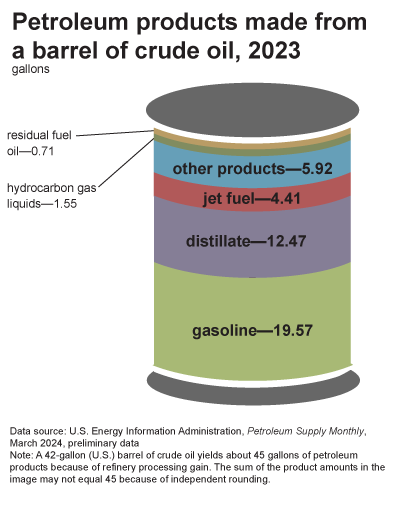
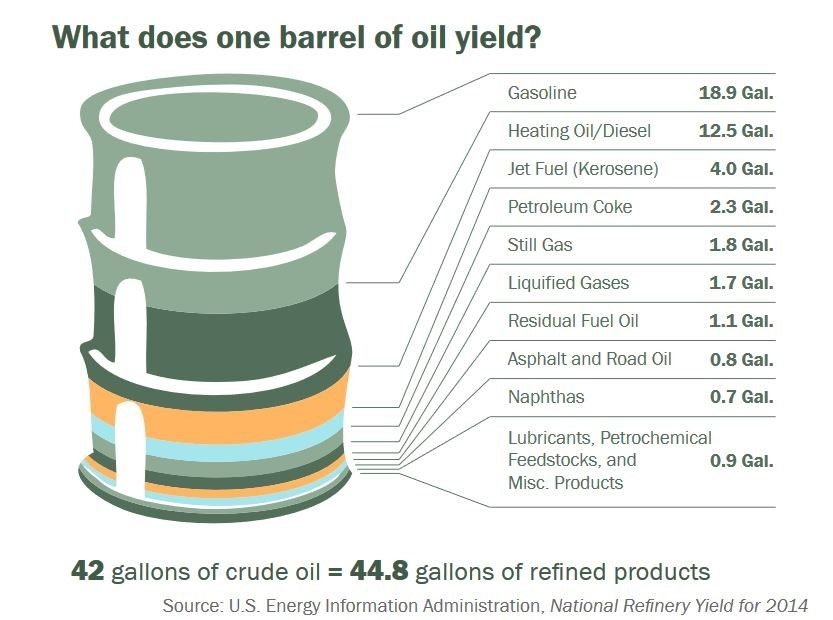
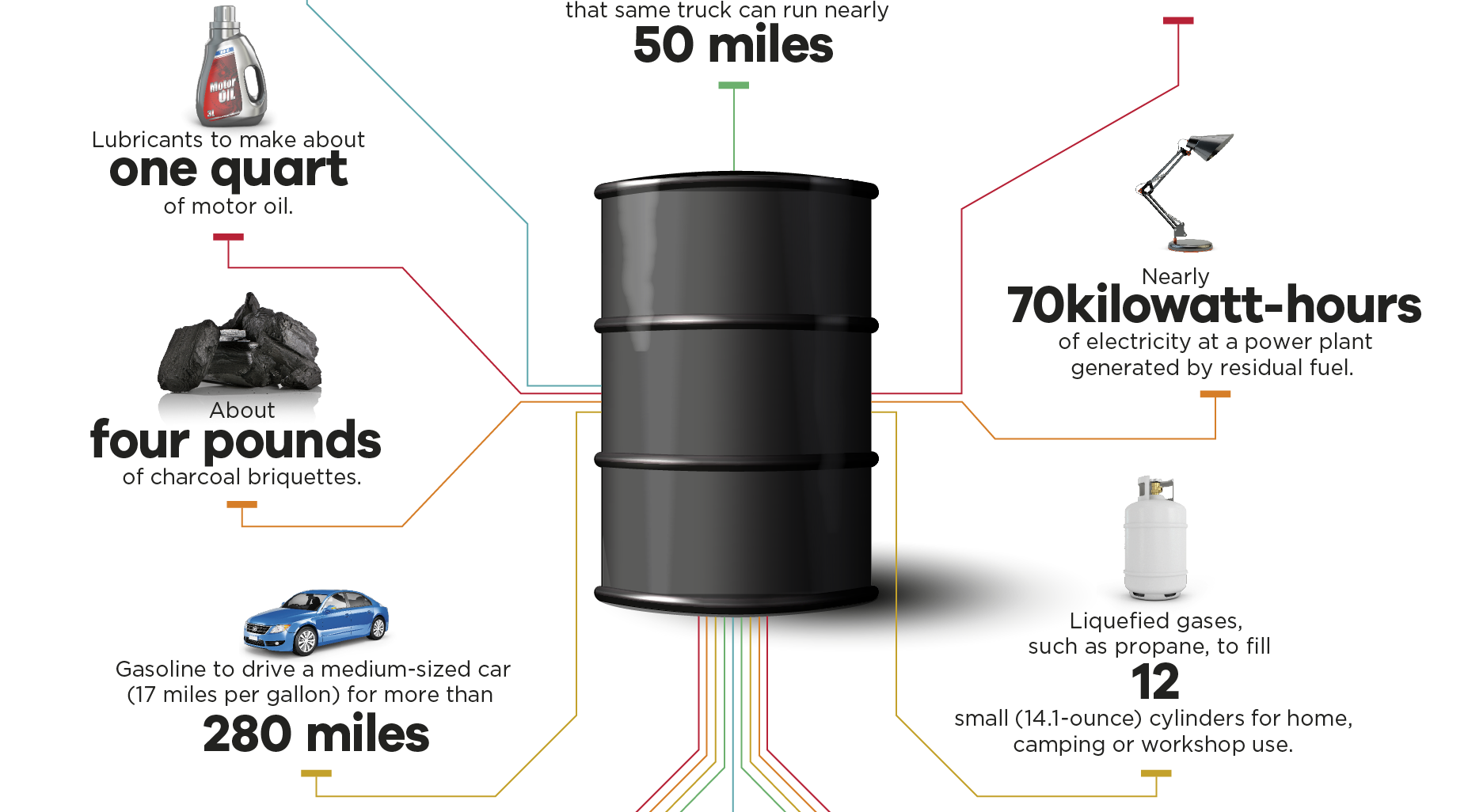
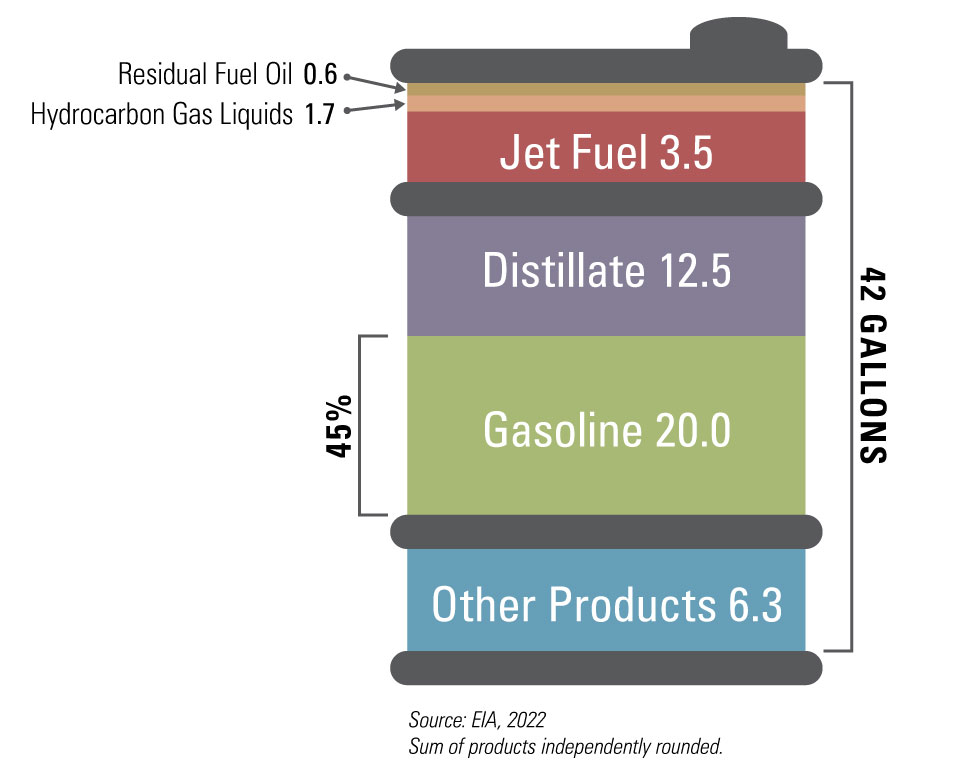
So, let's get to the heart of it: how much gasoline do we really get? When you refine a barrel of crude oil, which holds 42 US gallons, you don't get exactly 42 gallons of gasoline. That's because crude oil is a mix of many different hydrocarbons, and gasoline is just one of the products. On average, you can expect to get approximately 19 to 20 gallons of finished motor gasoline from that one barrel. But here’s the cool part: that same barrel also yields a whole host of other incredibly important products! We're talking about around 12 gallons of diesel fuel, 4 gallons of jet fuel, 2 gallons of heating oil, and a mix of things like asphalt, lubricants, waxes, and chemicals used to make plastics. It’s a true multi-product marvel! This ratio can vary slightly depending on the type of crude oil (some are "lighter" and yield more gasoline, others are "heavier" and produce more diesel and other products) and the specific refinery's setup, but the 19-20 gallon mark is a great general estimate for gasoline.
Must Read
Ready to put this knowledge to use? Here are some simple, practical tips to get started. First, the next time you're at the gas station, take a moment to consider that for every ~20 gallons you pump, that represents one whole barrel of crude oil that has been processed. Second, if your car has, say, a 15-gallon tank, you're filling it with about three-quarters of a barrel's worth of gasoline! Third, for a fun family activity, look up where your state or country gets most of its crude oil and where the nearest refineries are. You might be surprised by the journey that liquid takes! Lastly, think about your own driving habits. Every mile per gallon you improve means you're making those precious 19-20 gallons from a barrel go further, conserving a valuable resource.
Understanding the "barrel to pump" journey of gasoline adds a new layer of appreciation to our daily lives. It's not just about filling up; it's about connecting to a global industry, fascinating science, and the sheer ingenuity required to power our modern world. So, next time you hear about oil prices or see that pump ticking away, remember the mighty barrel and all the amazing things it gives us. It’s a small piece of knowledge that offers a surprisingly big picture, making every journey just a little more interesting!