
How Much Gas Does A Barrel Of Oil Make
Ever pull up to the gas pump, watch those numbers spin, and wonder, "Where does all this fuel even come from?" It’s a bit like magic, isn't it? One minute, it’s a dark liquid deep underground; the next, it’s powering your morning commute or that weekend road trip. Today, let’s peel back the curtain a little and talk about that mysterious, often-discussed unit: the barrel of oil. And more specifically, how much go-go juice for your car actually comes out of it!
Think of a barrel of oil as a bit like a culinary marvel. It’s not just one ingredient; it’s a whole smorgasbord waiting to be transformed. When we talk about a barrel of oil in the industry, we're referring to a standard measure of 42 US gallons. To put that in perspective, imagine a really large garbage can or a small bathtub – that’s roughly the volume we're talking about. Seems like a lot, right?
The Big Reveal: How Much Gas?
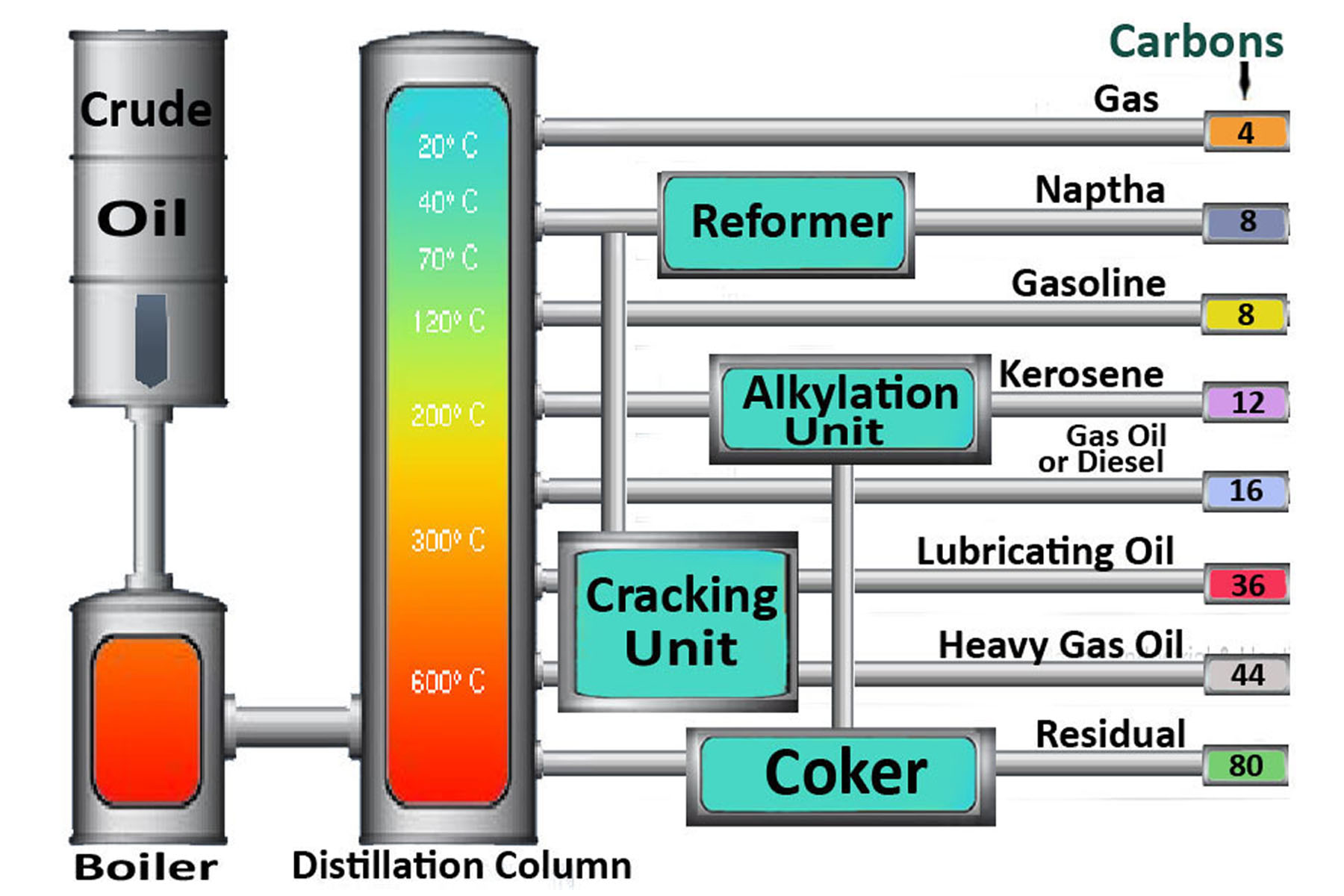
So, you’ve got this big barrel, 42 gallons of crude oil. You might think, "Great, that’s 42 gallons of gasoline!" Ah, if only it were that simple! Crude oil is like a complex family recipe, full of different compounds. When it gets to a refinery (which is essentially a giant, incredibly clever kitchen), it undergoes a process called distillation. This process separates the different components based on their boiling points. It's like separating all the fruit from a giant fruit salad, but instead of by type, it’s by how hot they need to get before they turn into vapor.
Must Read
After all that clever cooking and separating, the average 42-gallon barrel of crude oil yields about 19 to 20 gallons of finished gasoline. Yep, that’s right – not 42, but roughly half! Surprising, isn't it? That's enough to fill up the tank of a mid-sized car once, maybe twice, depending on your ride. Or, if you're like me, it's just enough to make it through a couple of weeks of school drop-offs and grocery runs.
But Wait, There's More! The Barrel's Other Wonders
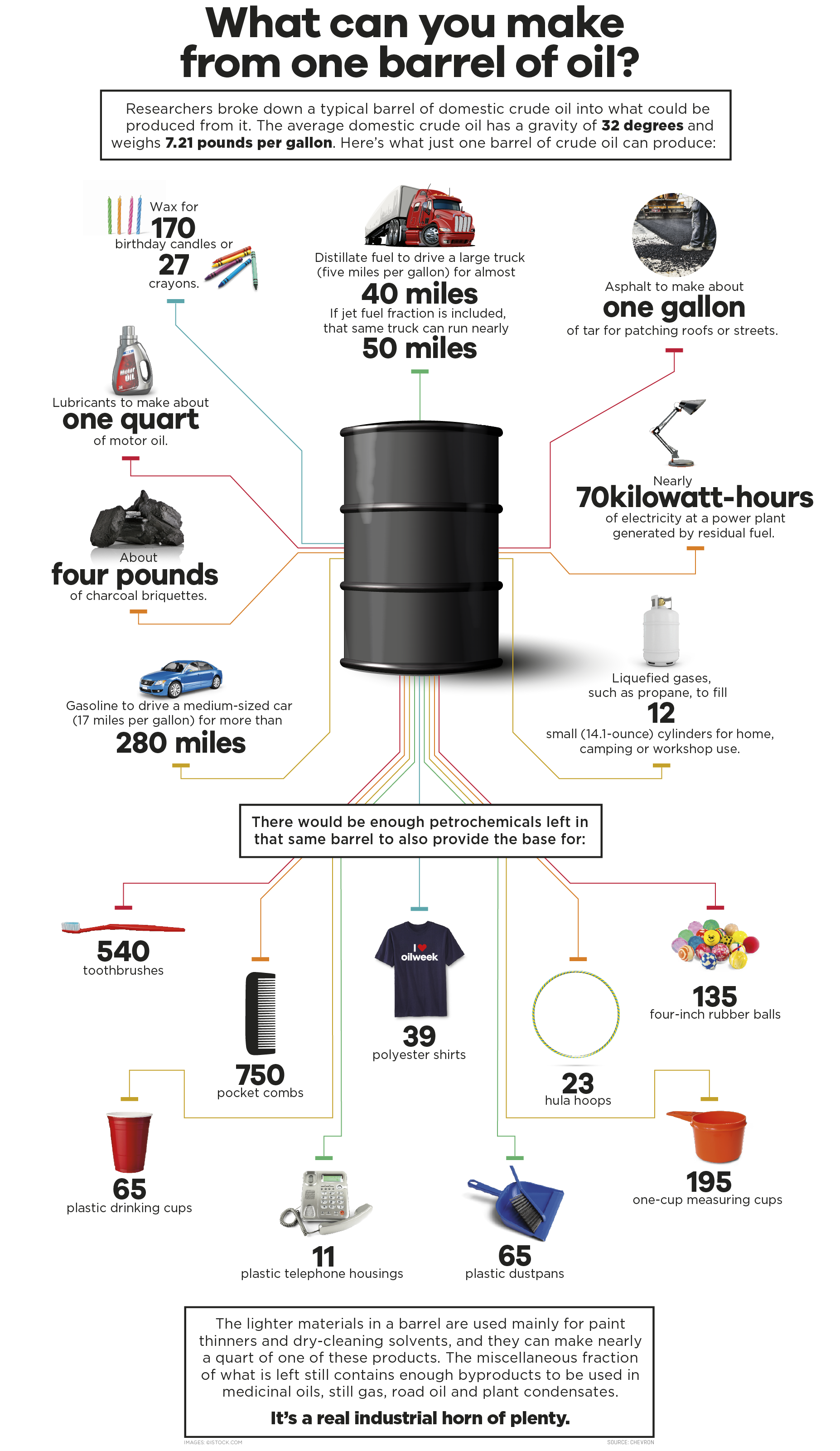
So, what happens to the other roughly 22 gallons? Does it just disappear into thin air? Absolutely not! This is where our barrel truly becomes a superhero. Besides gasoline, that single barrel is a powerhouse of other incredibly useful products that touch almost every part of your day. It gives us:
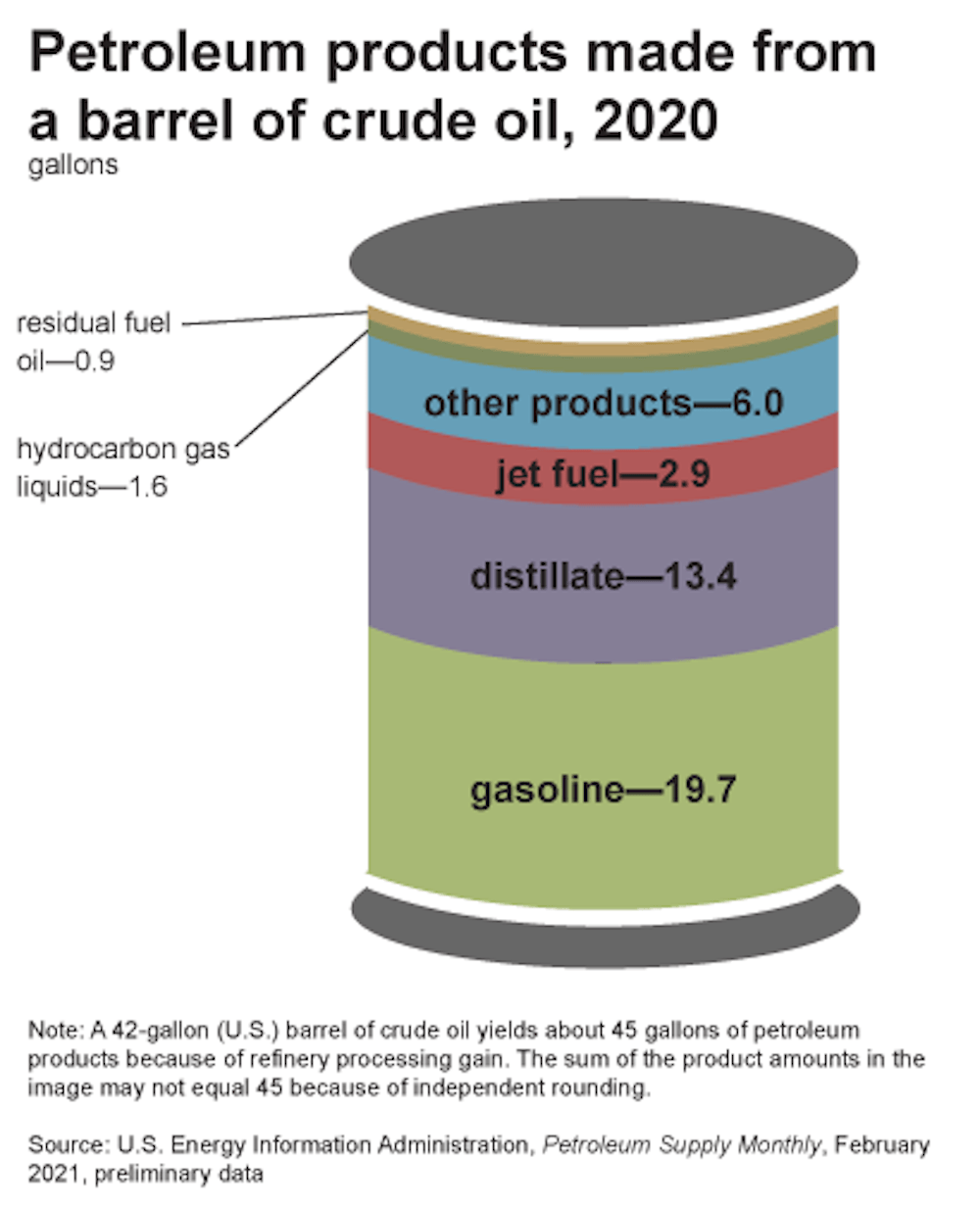
- Diesel fuel: About 11-12 gallons per barrel. This is the stuff that powers all those big trucks delivering your online orders, the buses taking kids to school, and tractors out in the fields. Without diesel, our shelves would be bare, and our food wouldn't make it to the table!
- Jet fuel/Kerosene: Around 4-5 gallons. This is what gets airplanes off the ground, whisking you away on your dream vacation or connecting loved ones.
- Heating oil: A couple of gallons, keeping homes warm during chilly winters.
- Other petroleum products: Roughly 5-6 gallons of all sorts of amazing things! This is the truly fascinating part. Think of the asphalt paving the roads you drive on, the lubricants that keep engines running smoothly, and even the feedstock for plastics.
Yes, those plastic bottles, your phone case, even some of the fabric in your clothes – a tiny bit of that original barrel of oil played a part! It’s like a Swiss Army knife of energy and materials, incredibly versatile and deeply integrated into our modern lives.
Why Should We Care About This Barrel's Secrets?
This isn't just a fun fact to impress your friends at a barbecue (though it totally is!). Understanding what comes out of a barrel of oil actually helps us make sense of a few important things in our world:
First off, gas prices. Every time you see those numbers fluctuate at the pump, remember that 42-gallon barrel. The global demand for gasoline and all those other products dictates how much oil is needed. If the world suddenly needs more diesel for shipping, or more jet fuel for travel, that puts pressure on the supply of crude oil, which in turn can affect how much you pay for your gasoline. It's all connected, like a giant, invisible web!
Secondly, it helps us appreciate efficiency and alternatives. Knowing that only about half of that barrel becomes gasoline makes you think about how we can get more mileage out of every drop, or even better, find other ways to power our cars. It’s why electric vehicles, biofuels, and public transport are such hot topics – we’re trying to diversify our "barrel portfolio," so to speak.

Finally, it's about being informed consumers. When you understand that a barrel of oil isn't just gas, but also the plastic in your shopping bag and the asphalt on your street, you start to see the bigger picture. It connects you to the vast, complex energy system that supports our daily lives, from the mundane to the magnificent. It makes you a more savvy citizen of this energy-hungry planet!
So, the next time you're filling up your tank, give a little nod to that invisible 42-gallon barrel. It’s working incredibly hard, not just to get you where you need to go, but to power so many hidden parts of your world. It’s a pretty amazing feat of chemistry and engineering, all packed into one modest measure!
