
How Much Fossil Fuel Is Left
The Great Fossil Fuel Mystery: Are We Running on Empty?
Ever felt that little shiver when someone talks about fossil fuels running out? It’s like hearing your favorite ice cream flavor might disappear forever. Dramatic, right? But seriously, the question of "how much is left?" has been a nail-biter for decades.
Fear not, my friends! Let's playfully peek behind the curtain. We'll explore this energy enigma with a wink and a smile. Prepare to perhaps agree with an "unpopular" opinion!
The Grand Old Myth: The Day We Hit Empty
For what feels like eons, we've heard the countdown. Experts, pundits, and even your well-meaning aunt have predicted the impending doom. Peak oil was the big scary monster under the bed.
Must Read
The idea was simple. We'd reach a maximum production point. After that, it would be a steep, irreversible decline. Panic! Scramble for the last drops!
But here's a curious thing. Those deadlines? They kept… moving. Like a stubborn finish line in a cartoon race. Every time we thought we were close, it magically shifted further away.
Oil: The Elusive Black Gold
Let's talk about crude oil first. It's the superstar of the fossil fuel family. Everyone loves their gasoline, right?
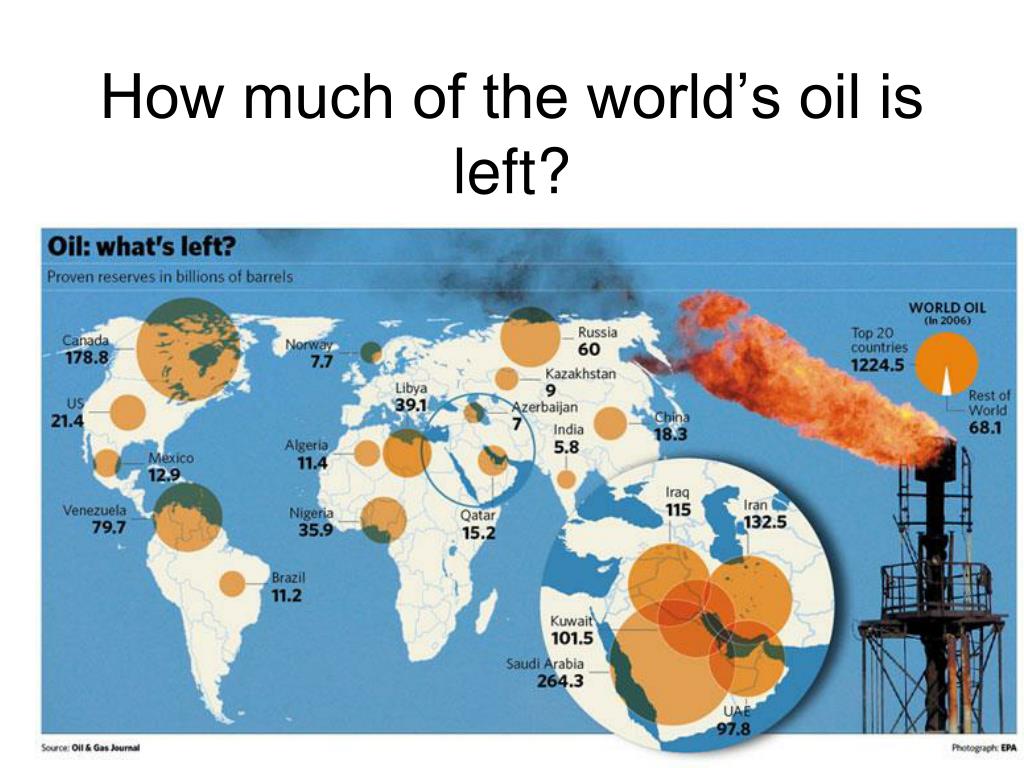
Back in the 1970s, experts predicted we'd be scraping the barrel by the 2000s. We clearly blew past that deadline. So, what happened?
Did the Earth suddenly grow more oil? Well, not exactly in a blink. What changed was our ingenuity.
New technologies burst onto the scene. Things like fracking and deep-sea drilling cracked open previously unreachable reserves. Suddenly, oil that was once too expensive or difficult to extract became fair game.
It was like finding an extra ten dollars in a coat you hadn't worn in ages! Vast new fields were also discovered. The Permian Basin in the US became a modern treasure chest.
/cdn.vox-cdn.com/uploads/chorus_asset/file/16283719/ff_subsidies.png)
It turns out, the amount of oil "left" isn't just about what's physically there. It's also what we can technically and economically get out of the ground. It's a moving target, folks!
Natural Gas: The Quiet Powerhouse
Next up, we have natural gas. This invisible fuel powers many of our homes and industries. It often gets less drama than oil.
But its story is similar. For a long time, we thought its days were numbered too. We expected supply to dwindle.
Then, just like with oil, technology swooped in. Horizontal drilling and hydraulic fracturing unlocked massive shale gas deposits. Places like the Marcellus Shale became household names in energy circles.
Suddenly, what seemed like a finite resource became incredibly abundant. There are now estimated centuries' worth of natural gas recoverable. Centuries!
It's like thinking you're out of potato chips, then realizing there's a giant, untouched party-size bag hidden in the pantry. Surprise!
Coal: The Granddaddy of Them All
And then there's coal. This lumpy, black fuel is the elder statesman of fossil fuels. It powered the industrial revolution and still generates a significant chunk of global electricity.
If you're worried about coal running out, you can probably relax for a very, very long time. The Earth is absolutely stuffed with coal.
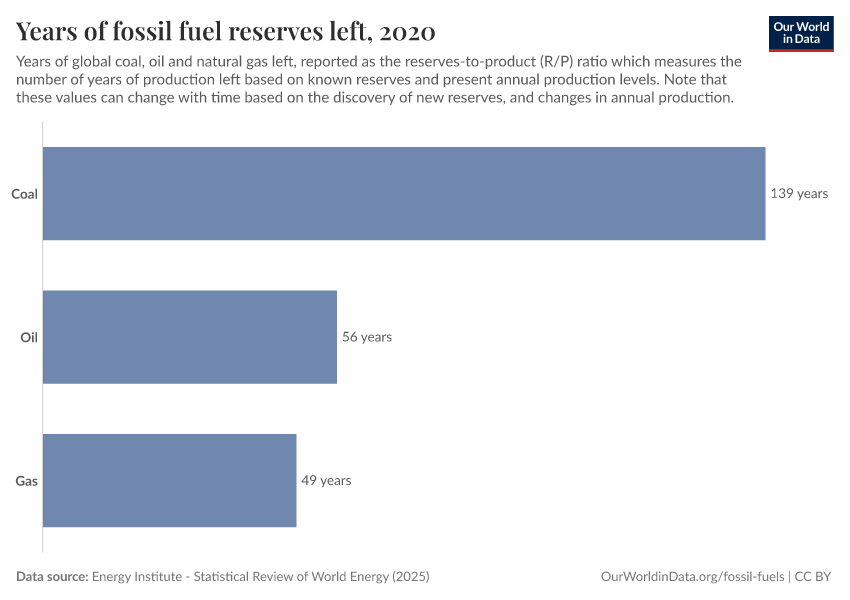
Estimates suggest we have enough coal to last for hundreds, if not thousands, of years. We're talking geological timescales here.
It's so plentiful that the main challenge with coal isn't scarcity. It's about its environmental impact. That's a whole different can of worms, of course.
So, if you're ever playing a game of "what's the most abundant fossil fuel?" you can confidently shout
"It's coal, baby!"and impress everyone.
The Unpopular Opinion (Whisper It!)
So, here's the playful, slightly controversial punchline. Our problem isn't likely to be running out of fossil fuels soon.
Shocking, right? This goes against many doomsday headlines. But the evidence suggests a different story.
The Earth, it seems, is generous. It keeps revealing more energy secrets, and our cleverness keeps finding ways to get at them.
Perhaps the real "unpopular" opinion is this: We might choose to stop relying heavily on fossil fuels long before we ever pump the very last drop or dig the final lump.
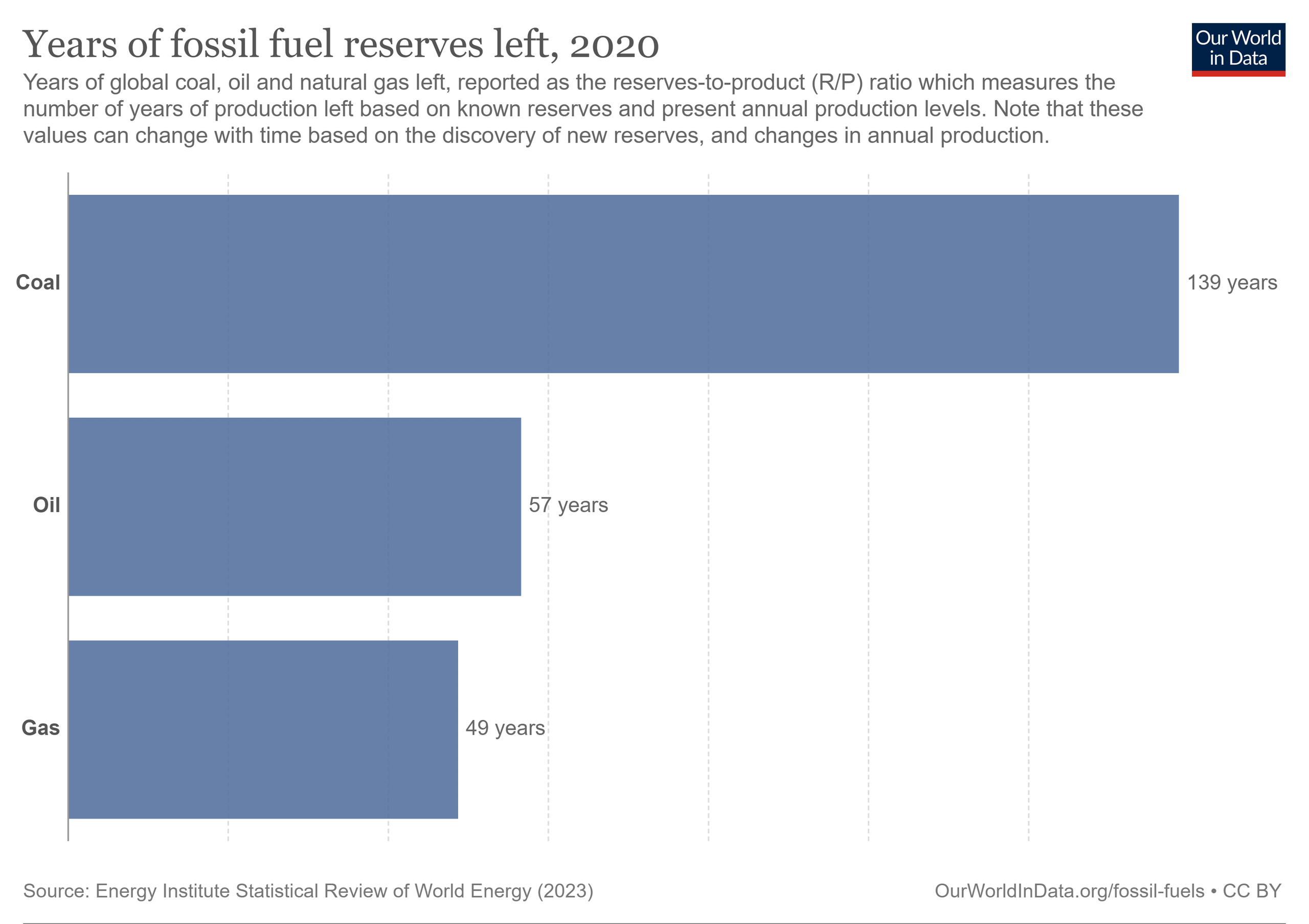
Imagine that! It's not about scarcity dictating our future. It's about conscious decisions, technological progress, and a desire for cleaner energy.
Reserves Are Like a Budget: Always Changing
Think of "fossil fuel reserves" like your savings account. It's not a fixed number. It changes constantly.
When you earn, your savings go up. When you spend, they go down. Similarly, when new fields are discovered, or technology improves, reserves increase.
When prices make extraction profitable, reserves go up. If prices tank, some resources might become "unrecoverable" economically, even if physically present.
So, the number you read today might differ tomorrow. It's a dynamic, ever-shifting figure, not a ticking clock.
It's like checking the weather app. It gives you the best prediction for now, but things can always change!
The Real Question Isn't "How Much?"
So, if the worry isn't about physically running out soon, what's the big deal? That's where the conversation gets interesting.
The question shifts from "How much is left?" to "How much should we use?" And perhaps, "What are the alternatives?"

Our planet has a finite capacity to absorb the impact of burning these fuels. That's the real crunch point. Not the physical quantity remaining underground.
It's like having an enormous pantry full of delicious, but slightly unhealthy, snacks. You could eat them all. But should you? Probably not.
The future of energy isn't just a geological puzzle. It's a human choice, a grand, global decision.
A Bottomless (for now) Well of Wonders
So, the next time someone tells you we're on the verge of running out of fossil fuels, offer them a knowing smile. Give them a playful wink.
Tell them, "The Earth keeps surprising us!" Or, "Our ingenuity keeps finding more energy!"
While it's wise to transition to cleaner energy, let's not base our urgency purely on a looming, physically empty tank. The tank, it seems, is rather deep.
Our energy future is less about scarcity and more about strategy. It's about smart choices, innovation, and a collective vision.
So, let's keep those smiles on, keep those brains buzzing, and tackle the real energy questions with optimism and clever thinking! We got this.