
How Much Energy Does The Average Household Use
Ever wonder how much energy your home really uses? It's kind of like peeking behind the curtain of your own personal power plant. Spoiler alert: It's probably more than you think!
Think of your house as a hungry, hungry hippo, constantly munching on electricity and gas. What fuels this beast? Let's dive into the fascinating world of household energy consumption.
The Average American Home: A Statistical Snack
Okay, let's get down to brass tacks. The average American household gobbles up around 10,600 kilowatt-hours (kWh) of electricity each year. That's a whole lot of juice! Picture keeping a 100-watt light bulb burning for over 12 years.
Must Read
But wait, there's more! This figure only covers electricity. Many homes also use natural gas or other fuels for heating, cooking, and water heating. The total energy picture is even bigger.
Where Does All That Energy Go?
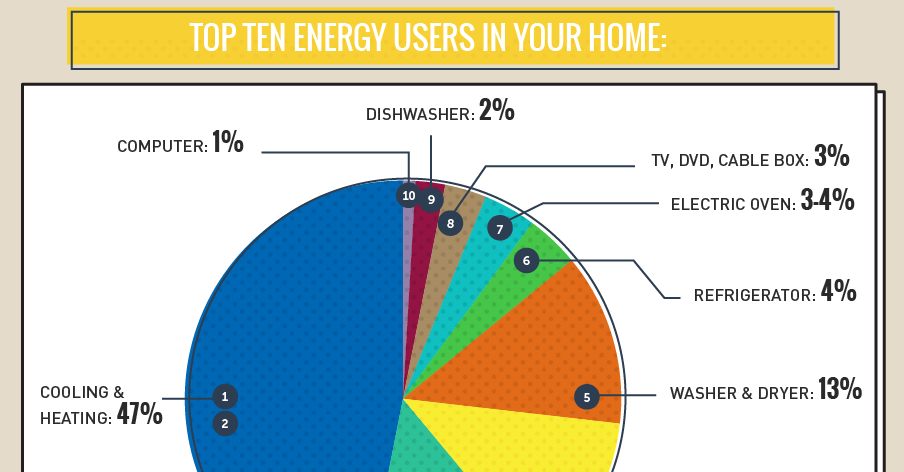
Now for the million-dollar question: What are we actually powering with all that energy? It turns out, our homes are energy-guzzling machines with a lot of different needs.
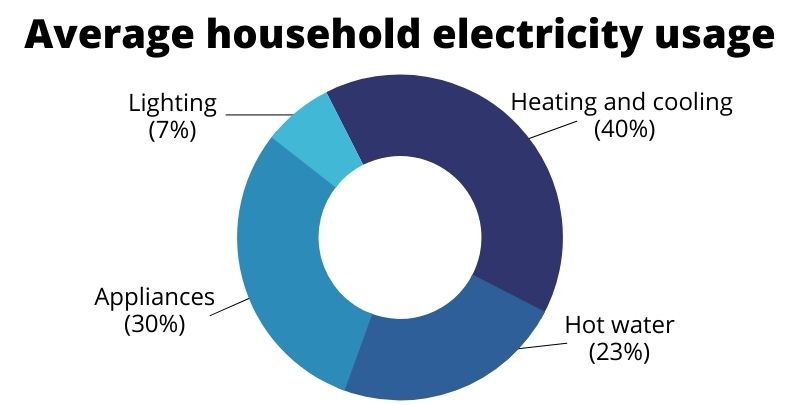
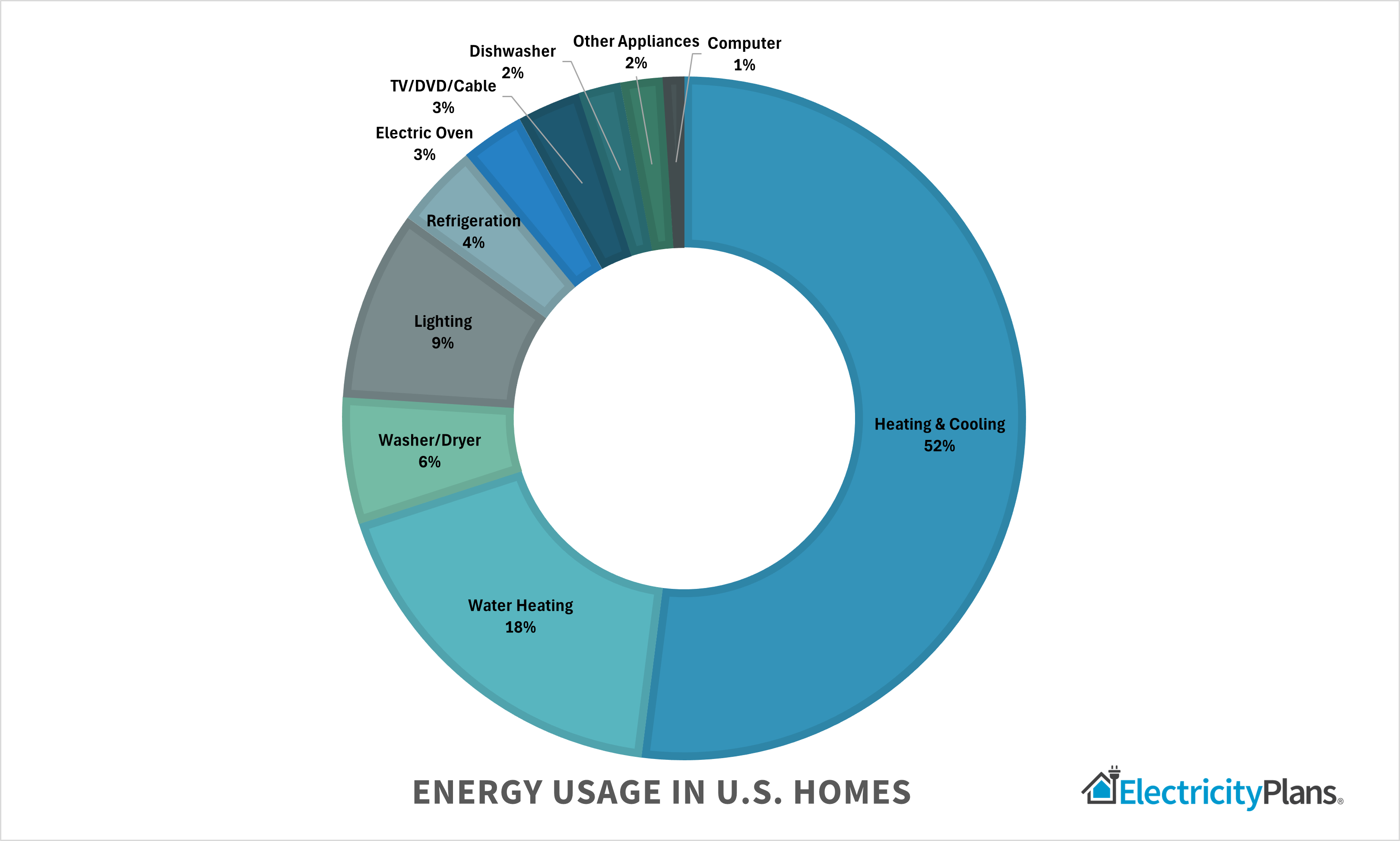
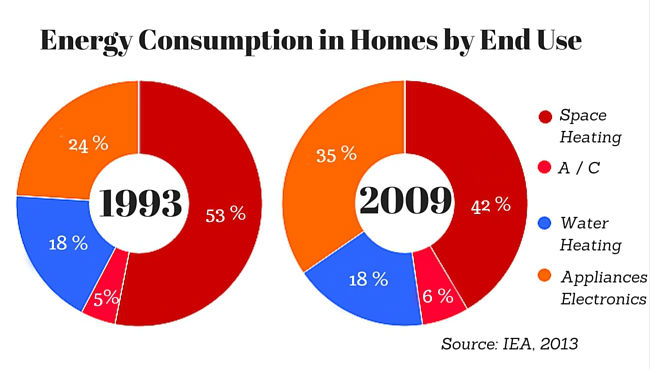
Heating and cooling typically hog the spotlight. They account for a whopping chunk of your energy bill! Think about cranking up the AC on a scorching summer day or blasting the heat during a blizzard. It takes a lot of energy to keep the temperature comfortable.
Next up, we have appliances. Your refrigerator, washing machine, dryer, dishwasher, and oven are all energy-hungry beasts. They might seem innocent enough, but they add up quickly!
And let's not forget lighting! While LED bulbs have helped a lot, those old incandescent bulbs were like tiny energy vampires, constantly sucking power.
Finally, the ever-present "other" category. This covers everything from your TV and computer to your phone charger and that fancy electric toothbrush you splurged on. Even small devices contribute to your overall energy footprint.
Beyond the Numbers: Why It Matters
Knowing how much energy your home uses isn't just about satisfying your curiosity. It's also about saving money and helping the environment.
Think of your energy bill as a monthly report card on your home's energy efficiency. Are you getting an "A+" or a "D-"? Understanding your energy consumption allows you to identify areas where you can improve.
Small changes can make a big difference. Switching to LED bulbs, unplugging electronics when they're not in use, and using energy-efficient appliances can all help you save money and reduce your carbon footprint.
Become an Energy Detective: Uncover Your Home's Secrets
Ready to become an energy detective? There are several easy ways to investigate your home's energy use.
Start by taking a close look at your energy bills. They usually provide a breakdown of your energy consumption over time. You might be surprised to see how much your energy use fluctuates throughout the year.
Many utility companies also offer online tools that allow you to track your energy consumption in real time. These tools can help you identify patterns and pinpoint areas where you're wasting energy.

Another great option is to use an energy monitor. These devices plug into your outlets and track the energy consumption of individual appliances. You might be shocked to discover how much energy your old refrigerator is using!
You can also consider getting a professional energy audit. An energy auditor will come to your home and identify areas where you can improve your energy efficiency. They might recommend things like adding insulation, sealing air leaks, or upgrading your appliances.
Energy-Saving Adventures: Simple Steps to a Smaller Footprint
Saving energy doesn't have to be a chore. It can be a fun and rewarding challenge! Here are a few simple things you can do to reduce your energy consumption:
Embrace the power of the unplug! Unplug electronics when you're not using them. Even when they're turned off, many electronics continue to draw power. This is known as "phantom load" or "vampire power."
Switch to LED bulbs. LED bulbs use up to 75% less energy than incandescent bulbs and last much longer. They're a bit more expensive upfront, but they'll save you money in the long run.
Seal air leaks. Air leaks can let heat escape in the winter and let cool air escape in the summer. Seal air leaks around windows, doors, and other openings with caulk or weather stripping. This is a super easy and cost-effective way to save energy!
Use energy-efficient appliances. When it's time to replace your appliances, look for models with the Energy Star label. Energy Star appliances use less energy than standard models.
Adjust your thermostat. Lowering your thermostat by a few degrees in the winter and raising it by a few degrees in the summer can save you a significant amount of energy. Consider investing in a programmable thermostat to automate these changes.
Debunking Energy Myths: Separating Fact from Fiction
The world of energy conservation is full of myths and misconceptions. Let's debunk a few of the most common ones:
Myth: Leaving lights on uses less energy than turning them off and on again. Fact: This is only true for very old incandescent bulbs. With modern LED and CFL bulbs, it's always more efficient to turn them off when you leave a room.
Myth: My computer doesn't use much energy when it's in sleep mode. Fact: While sleep mode uses less energy than when your computer is fully on, it still uses some energy. It's best to turn your computer off completely when you're not using it.
Myth: I have to spend a lot of money to save energy. Fact: Many energy-saving measures are free or low-cost. Things like unplugging electronics, sealing air leaks, and adjusting your thermostat can all save you money without breaking the bank.
The Future of Energy: Smart Homes and Sustainable Living
The future of energy is looking bright! Smart homes and sustainable living are becoming increasingly popular, and new technologies are constantly being developed to help us save energy and reduce our environmental impact.
Smart thermostats can learn your habits and automatically adjust the temperature to save energy. Smart lighting systems can dim or turn off lights when no one is in the room.
Solar panels are becoming more affordable and efficient. They can generate electricity for your home and reduce your reliance on fossil fuels. Wind turbines are another option for generating clean energy.
Electric vehicles are becoming more popular. They can be charged at home and reduce your dependence on gasoline.
By embracing these new technologies and adopting sustainable living practices, we can all play a role in creating a more energy-efficient and environmentally friendly future.
The Takeaway: Knowledge is Power (Literally!)
Understanding how much energy your home uses is the first step towards saving money and helping the planet. Become an energy detective, uncover your home's secrets, and take simple steps to reduce your energy consumption.
Remember, every little bit helps! Even small changes can add up to big savings over time. So go ahead, unleash your inner energy saver and make a difference!
By being mindful of our energy use, we can create a brighter, more sustainable future for ourselves and generations to come. It's not just about the numbers; it's about taking control and making a positive impact.