
How Much Energy Does Geothermal Energy Produce

Hey there, energy enthusiast! Ever wondered about that whole geothermal thing? Like, we know it’s about heat from the Earth, but how much juice can we actually squeeze out of our planet's fiery belly? Let's dive in, shall we? Don't worry, it's not rocket science… unless you're using geothermal energy to power your rockets, which, honestly, would be pretty cool.
So, How Much Energy Are We Talking?
Okay, here's the deal. Geothermal energy production isn't like flipping a switch and BOOM, instant global power. It's a bit more nuanced than that. The amount of energy we can get depends on a few things. Think of it like baking a cake: you need the right ingredients (geothermal resources), the right oven (power plant), and the right recipe (technology) to get a delicious result.
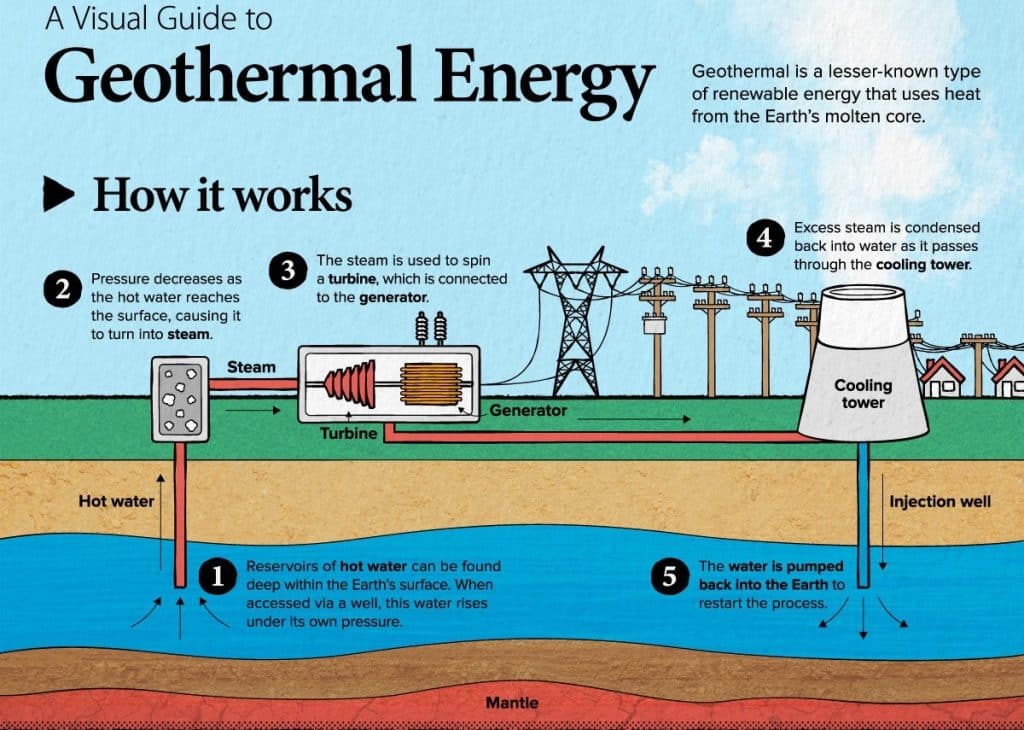
First off, you need a good geothermal resource. These are essentially underground reservoirs of hot water or steam. Not every place on Earth has these just waiting to be tapped. Certain areas, like near volcanoes or tectonic plate boundaries (think Iceland, Indonesia, parts of the US), are geothermal hotspots. Get it? Hot spots!
Must Read
Then, there's the technology we use to convert that heat into electricity. The most common types are dry steam plants, flash steam plants, and binary cycle plants. Each works a little differently, but the goal is the same: spin a turbine, generate electricity. It's all very whirly and buzzy!
So, back to the big question: how much? Well, globally, geothermal energy currently provides a relatively small percentage of the world's total electricity. But don't let that fool you! It's got huge potential for growth, like a really enthusiastic houseplant that just needs a bigger pot (and some sunlight, of course).
Numbers, Numbers, Tell Me The Numbers!
Alright, alright, I hear you! Let's get a little more specific. As of now, geothermal power plants around the world generate several gigawatts (GW) of electricity. A gigawatt is a lot of power – enough to power hundreds of thousands of homes. Imagine all those toasters popping at once!
Now, exact figures fluctuate depending on the year, new plant installations, and even the weather (yes, the weather can indirectly affect geothermal output!). But it's safe to say that geothermal energy is a significant and growing contributor to the global energy mix. It's like that reliable friend who always comes through, even if they don't always get the spotlight.
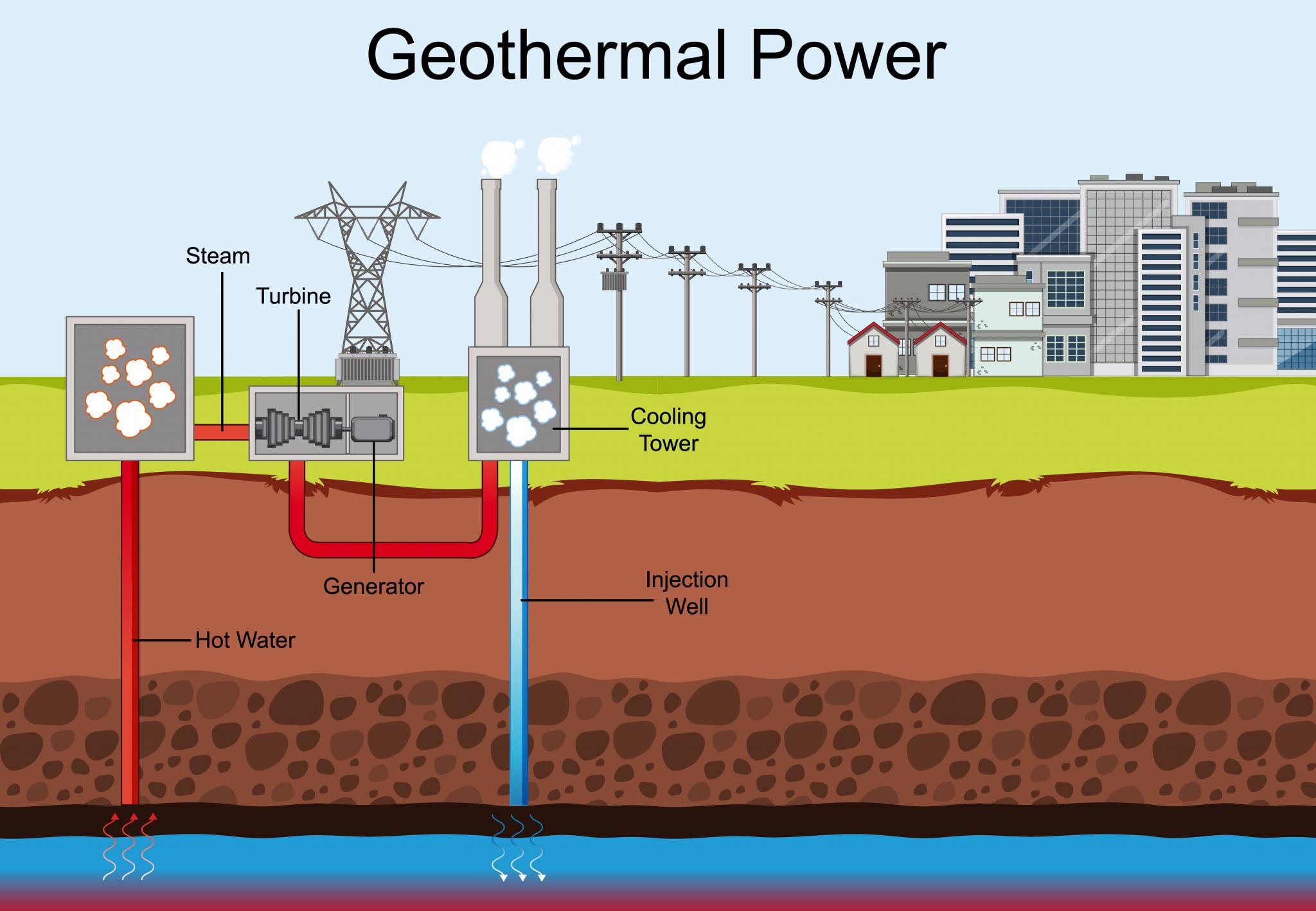
For example: The Geysers in California, one of the largest geothermal fields in the world, can generate enough electricity to power a whole city. Pretty impressive, huh? That's like having a personal volcano powering your Netflix binge!
The Future Looks Hot (Literally!)
Here's the super exciting part: Geothermal energy has a massive untapped potential! We're only scratching the surface (pun intended!). Enhanced Geothermal Systems (EGS) are being developed to access geothermal resources in areas that aren't naturally as hot or permeable. Think of it like finding water even in the driest desert - with a little ingenuity, anything is possible!

Furthermore, geothermal energy is super reliable. Unlike solar or wind, it's not dependent on the sun shining or the wind blowing. The Earth's core is always hot, providing a consistent, 24/7 energy source. It's like having a never-ending supply of coffee – always there when you need it (except instead of coffee, it's clean energy, which is even better!).
Plus, it's relatively environmentally friendly. Geothermal power plants produce very little greenhouse gas emissions compared to fossil fuel plants. That's a win for the planet, a win for clean air, and a win for future generations! High fives all around!
The Takeaway?
Geothermal energy may not be the biggest player on the energy field yet, but it's definitely a rising star with incredible potential. It's reliable, environmentally friendly, and has the capacity to power a significant portion of the world's future energy needs. So next time you hear about geothermal, remember it's not just some obscure science project. It's a real, viable, and increasingly important part of a clean energy future. And that, my friend, is something to smile about!
