
How Much Energy Does America Use Per Year
Okay, picture this: It's a typical morning. Your coffee maker is humming, phone's charging, maybe the AC or heater is quietly doing its thing. You flip a light switch, grab a quick shower, maybe toast some bread. Sound familiar? That's just a tiny slice of your morning, my friend.
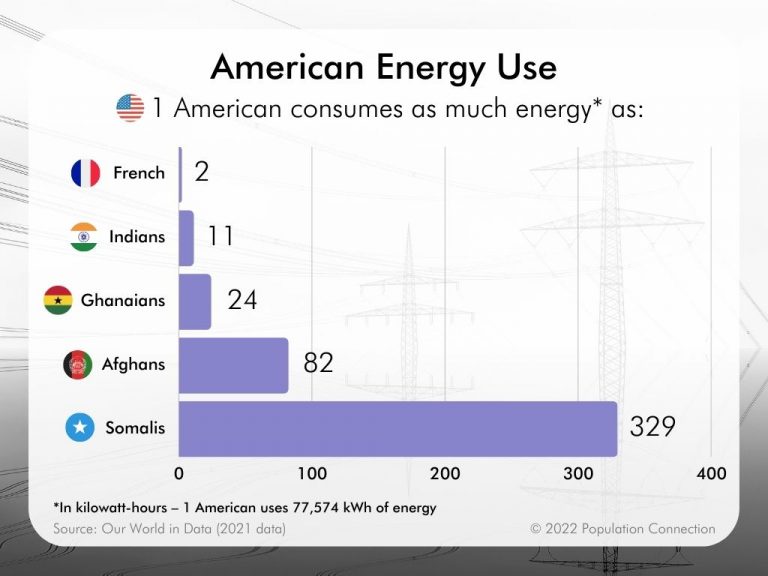
Now, multiply that by roughly 330 million people across America, all doing variations of that same energy dance, all day, every day. Suddenly, your quiet routine starts to feel like part of a pretty massive energy party, right?
And that, my curious compatriot, leads us to the grand question: How much energy does America actually chew through in a single year? Brace yourself, because the numbers are, well, pretty staggering.
Must Read
The Big Gulp: Quadrillions of BTUs
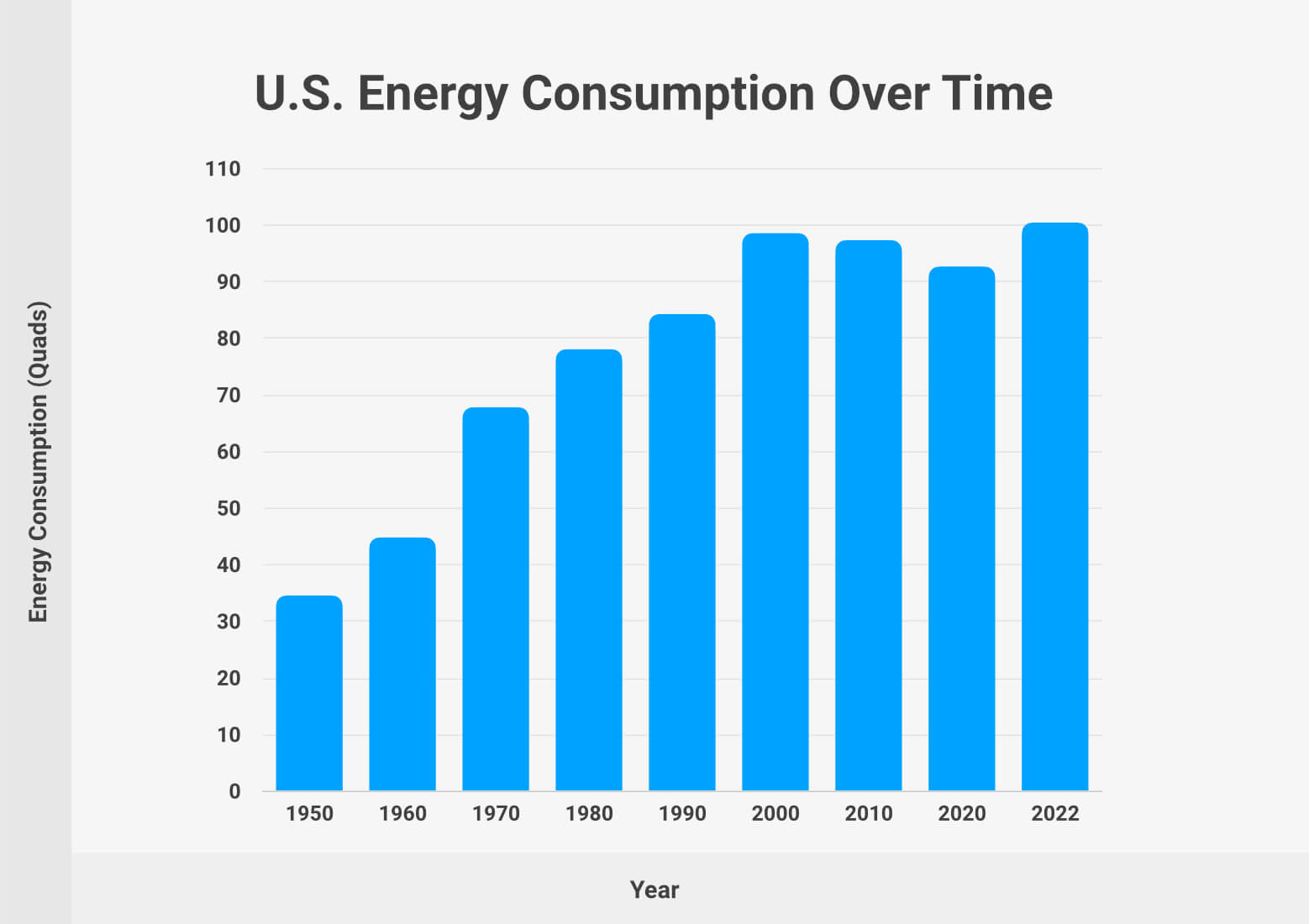
When energy experts (like the U.S. Energy Information Administration, or EIA) talk about national consumption, they often use a unit called a quad. That's short for a quadrillion British Thermal Units. Yes, quadrillion – with a "Q."
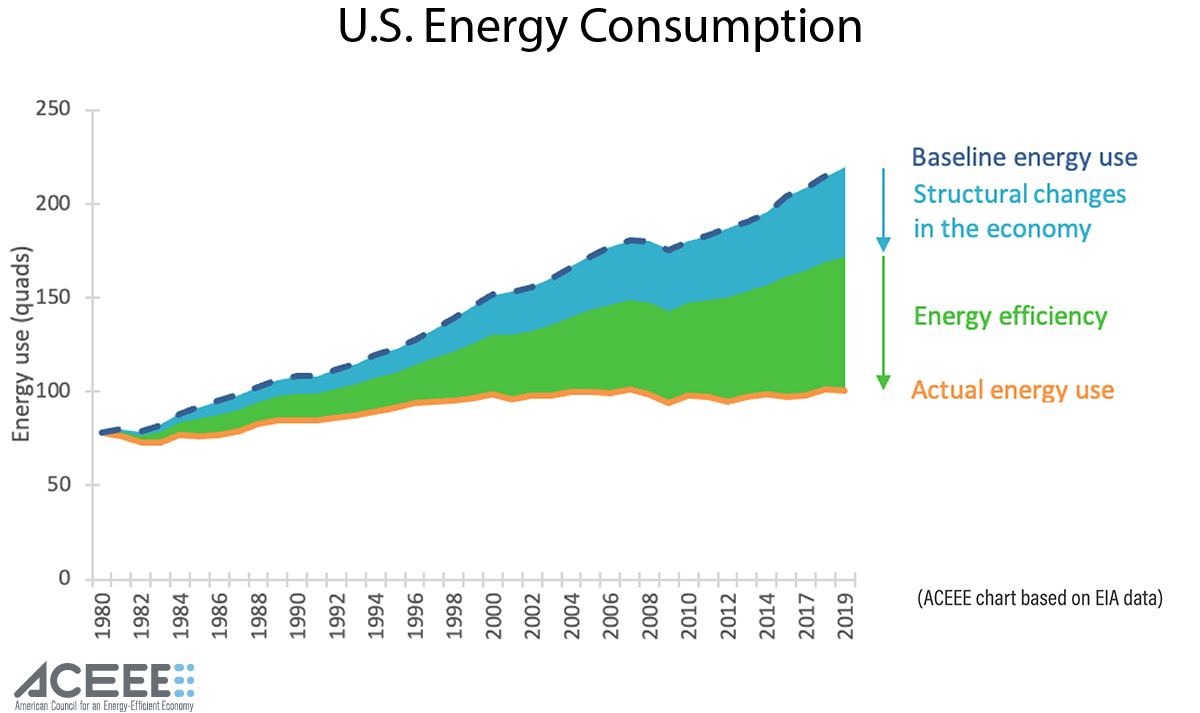
And how many quads are we talking for the good ol' USA annually? It usually hovers right around 100 quads.
Yeah. Let that sink in for a second. One hundred quadrillion BTUs. To put it simply, that’s an absolutely colossal amount of energy. It’s like trying to imagine the number of grains of sand on all the world's beaches. A truly immense figure!
Where Does All That Juice Go?
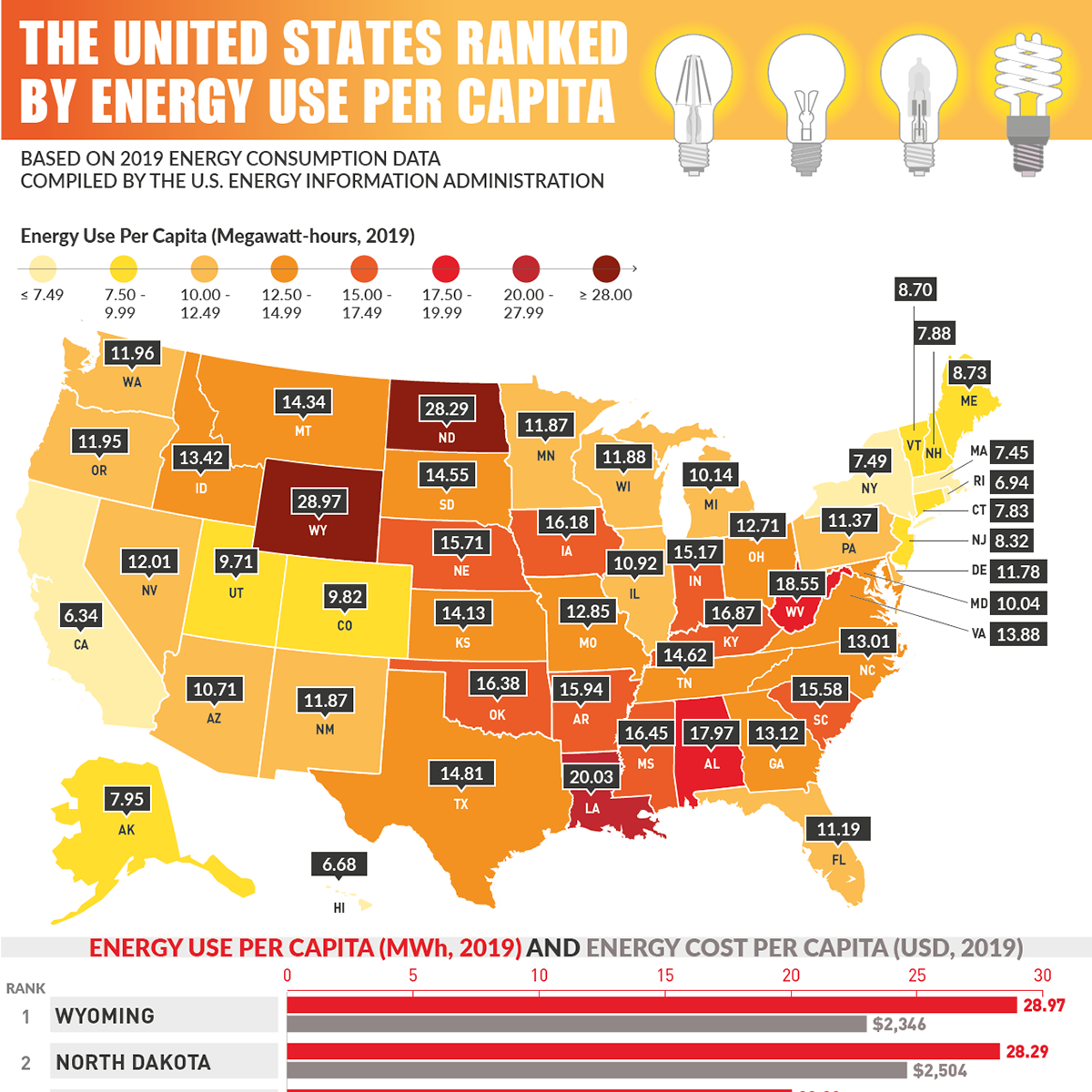
So, if America is slurping down 100 quads a year, where's it all going? It's not just your coffee maker, obviously. Our energy consumption is broadly split into a few hungry sectors:
1. Electricity Generation: This is the big one. A huge chunk of our primary energy sources (coal, natural gas, nuclear, renewables) go into power plants to create the electricity that lights our homes and runs our businesses. It’s the main course of our energy diet.
2. Transportation: Every car, truck, plane, train, and ship relies on fuel. Gasoline for your commute, jet fuel for that vacation, diesel for moving goods. This sector is a massive consumer, heavily reliant on petroleum. And let's be real, traffic jams alone probably burn enough energy to power a small country for a week.
3. Industrial Use: Factories, manufacturing plants, agriculture – they all need serious energy to produce everything from clothes to the device you're reading this on. Think huge machinery and complex processes that keep our economy churning.
4. Residential & Commercial: This is where your home and office fit in. Heating and cooling, lighting, appliances, electronics. Every light switch, every refrigerator, every server farm keeping your favorite streaming service alive contributes to this slice.
The Energy Mix: A Shifting Cocktail
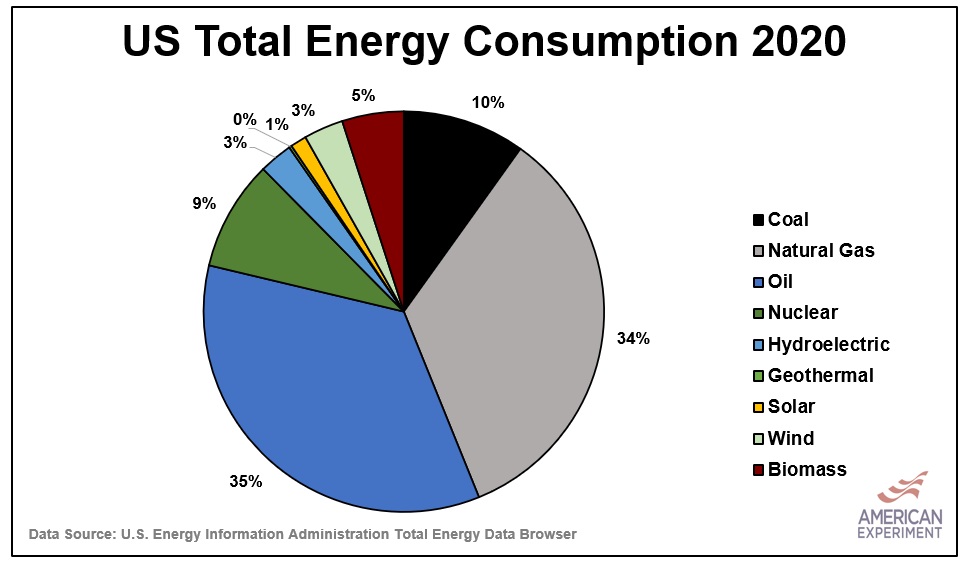
Where do we get all this energy from? It's a mix, and it's constantly evolving, which is pretty fascinating if you ask me.
- Fossil Fuels (Petroleum, Natural Gas, Coal): These have historically been the giants, and still are. They power a huge portion of our electricity generation and almost all of our transportation.
- Renewables (Solar, Wind, Hydro, Geothermal, Biomass): Ah, the rising stars! Solar panels on roofs, massive wind farms. These are growing at an impressive rate, becoming a bigger part of our energy story every year. It’s good news, really!
- Nuclear: A steady, carbon-free contributor that provides a significant base load of electricity, though it comes with its own set of debates.
The cool thing is, while that 100 quads seems like a fixed monster, how we get that energy is changing. We’re seeing a definite shift towards cleaner sources, thanks to innovation, policy, and frankly, a growing awareness of our planet's well-being.
So, What's the Takeaway?
Ultimately, America's energy consumption is a colossal, complex beast. It powers our modern lives, fuels our economy, and enables pretty much everything we do. From that tiny coffee maker on your counter to the massive data centers humming unseen, it all adds up to those staggering 100 quads a year.
It’s a reminder of our incredible reliance on energy, but also a nod to the ingenuity required to produce it, and the ongoing efforts to make that production more sustainable. Next time you flip a switch, or feel the warmth of your heater, just remember: you're part of a truly epic energy saga. Pretty wild, huh?