
How Much Energy Does A Solar Panel Produce Per Year
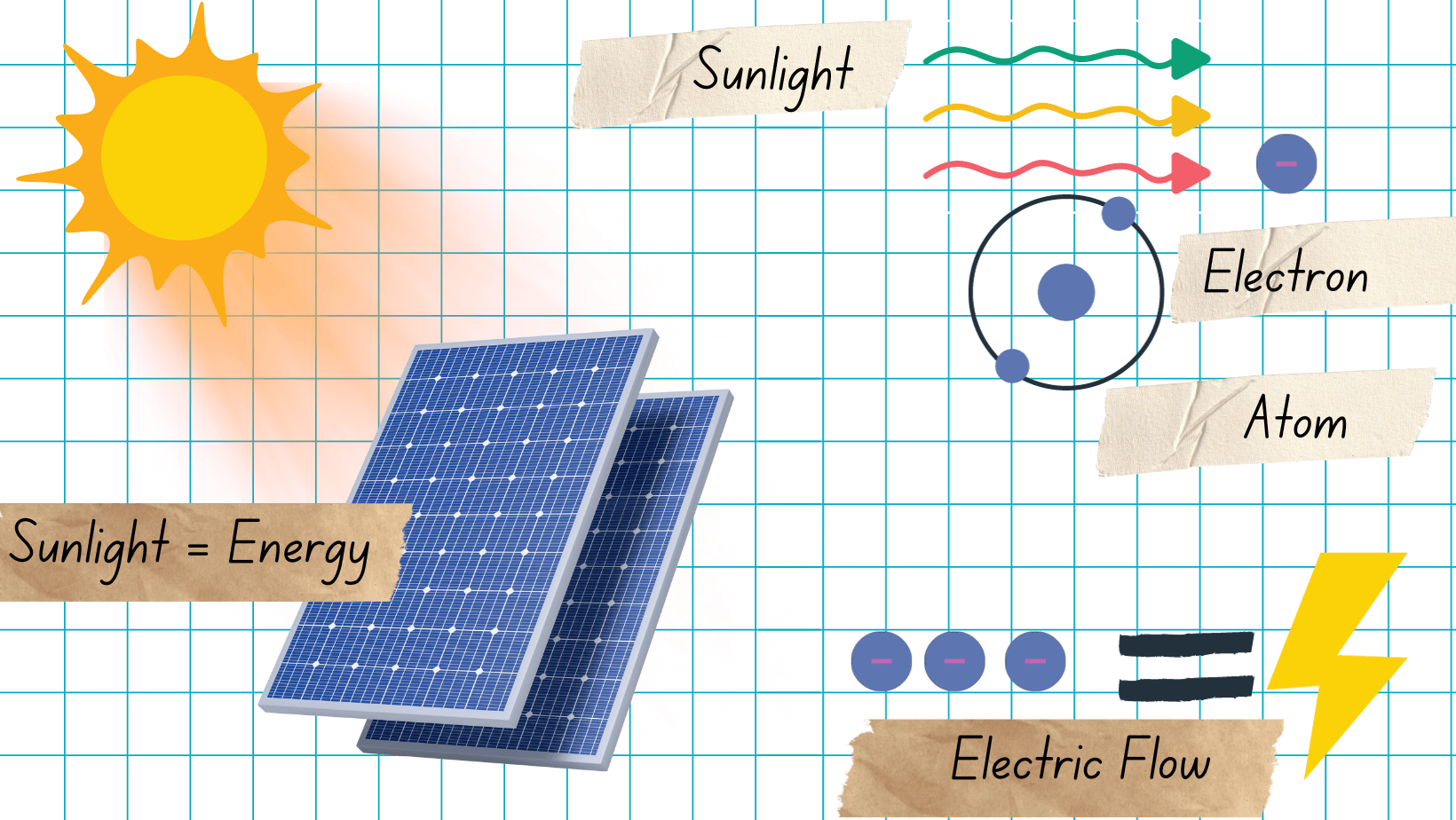
Hey there, future sun-soaker! Ever wondered how much juice those sleek solar panels on your neighbor's roof are actually squeezing out of the big yellow guy in the sky? You're not alone! Figuring out the energy output of a solar panel can seem a bit like deciphering ancient hieroglyphics, but trust me, it's simpler than assembling IKEA furniture (and way more rewarding!).
Okay, Let's Talk Watts (and kWh, too!)
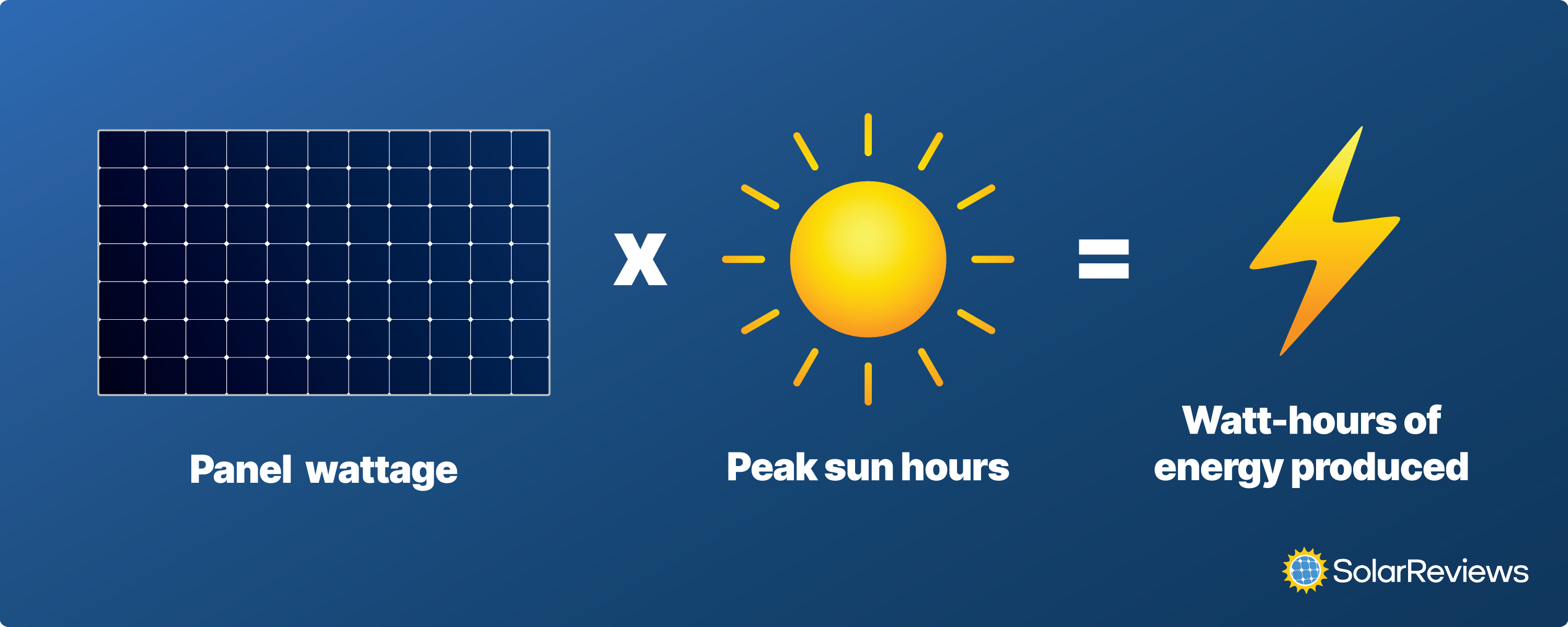
First things first, we need to speak the language of energy. You'll often hear about watts (W) and kilowatt-hours (kWh). Think of a watt as a unit of power – it's how much energy a panel can produce at any given moment. A kilowatt is just 1000 watts (kilo means thousand, duh!). And a kilowatt-hour? That's how much energy you've used when you've been drawing one kilowatt of power for one hour.
So, imagine a 300-watt solar panel. That means, under perfect conditions (think blazing sun, ideal angle, and a panel that's sparkling clean - bird droppings not included!), it can churn out 300 watts of power at that moment. But, sadly, life isn't always perfect sunshine and rainbows (or perfectly angled panels). So, how much does it actually produce in a year?
Must Read
The Big "It Depends" Factor (Ugh!)
I know, I know, you were hoping for a magic number! But the honest answer is… it depends. Seriously, there are a bunch of factors that affect solar panel output:
- Location, Location, Location: Are you basking in the Arizona sun or shivering in Seattle's drizzle? The more sunlight, the more energy! States like California, Arizona, and Nevada are solar powerhouses.
- Panel Size and Efficiency: Not all panels are created equal! Bigger, more efficient panels will obviously generate more power. Think of it like pizza – a bigger, cheesier pizza will satisfy more hungry people (or power more appliances!).
- Panel Angle and Orientation: Is your panel facing directly south at the optimal angle to catch the sun's rays? If not, you're losing out on potential energy. It's like trying to catch raindrops in a thimble – you gotta be strategic!
- Shade: Trees, buildings, even rogue kites can cast shadows on your panels, reducing their output. Shade is the enemy of solar power (unless you're napping under a tree on a hot day, then it's your friend).
- Weather: Cloudy days, rain, snow, even smog can block sunlight. Mother Nature has a mind of her own!
- Panel Degradation: Solar panels, like all things, degrade over time. Their output will gradually decrease over their lifespan (usually around 25-30 years). It's like that favorite t-shirt that fades a little bit with each wash.
A (Hopefully) Helpful Estimate
Okay, enough with the "it depends"! Let's get some numbers. As a rough estimate, in an area with good sunlight, a 300-watt solar panel might produce around 350-550 kWh per year. That's a pretty big range, I know. Think of it as a general ballpark figure, not a gospel truth.
To get a more accurate estimate for your specific location and panel setup, you can use online solar calculators. There are tons of them out there, and they'll take into account your location, panel specifications, and other factors to give you a more personalized prediction. Just Google "solar panel output calculator" and you'll be swimming in options!
Pro Tip: When using these calculators, be realistic about the shading and weather conditions in your area. Don't assume you'll have sunshine every single day of the year (unless you live in some mythical land of eternal summer!).
Why This Matters (Besides Bragging Rights)
Knowing how much energy your solar panels are producing is important for a few reasons:
- Sizing Your System: It helps you determine how many panels you need to cover your energy needs.
- Calculating Savings: You can estimate how much money you'll save on your electricity bill. Ka-ching!
- Monitoring Performance: You can track your panel's output to make sure they're performing optimally. If they suddenly start producing less energy, it could indicate a problem.
Bold and emphasized points here are crucial for understanding the bigger picture. They'll help you not just grasp the numbers but also how they translate into real-world benefits like reduced energy costs and a smaller carbon footprint.

So, there you have it! The (slightly complicated but ultimately manageable) answer to the question of how much energy a solar panel produces per year. Now go forth and harness the power of the sun! You're one step closer to becoming a solar energy superstar!
Remember, even a little bit of sunshine can make a big difference. Plus, you get to feel good about helping the environment. It's a win-win situation!
