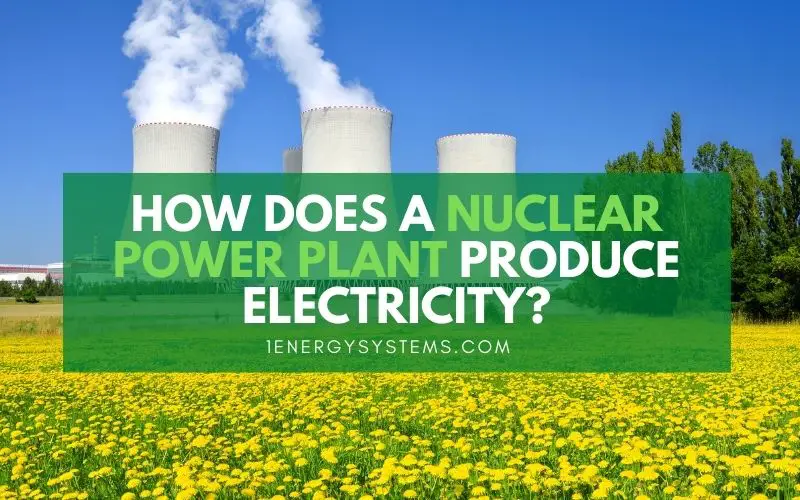
How Much Energy Does A Nuclear Power Plant Produce
Hey there, energy enthusiast! Ever scratched your head and wondered just how much juice a nuclear power plant actually churns out? Are we talking enough to power your toaster, or maybe… an entire city? Well, grab a metaphorical cup of coffee (or a real one, I won't judge!) and let's have a friendly chat about it. No need for a physics degree, promise – we're keeping it casual and fun!
The Super Secret Sauce: How It Works (Kinda)
First off, let's get the absolute basics out of the way. Nuclear power plants are like super high-tech tea kettles. They use something called nuclear fission. Don't let the fancy word scare you! It simply means they take tiny bits of a special kind of uranium (think of it as super-fuel) and gently split their atoms.
When these atoms split, they release a massive burst of heat. This heat boils water, which creates steam (told you, tea kettle!). That steam then spins a giant turbine, which is basically a fancy fan connected to a generator. And voilà! Electricity is born. It's like magic, but with way more science and zero rabbits pulled from hats.
Must Read
Okay, But How MUCH Power Are We Talking?
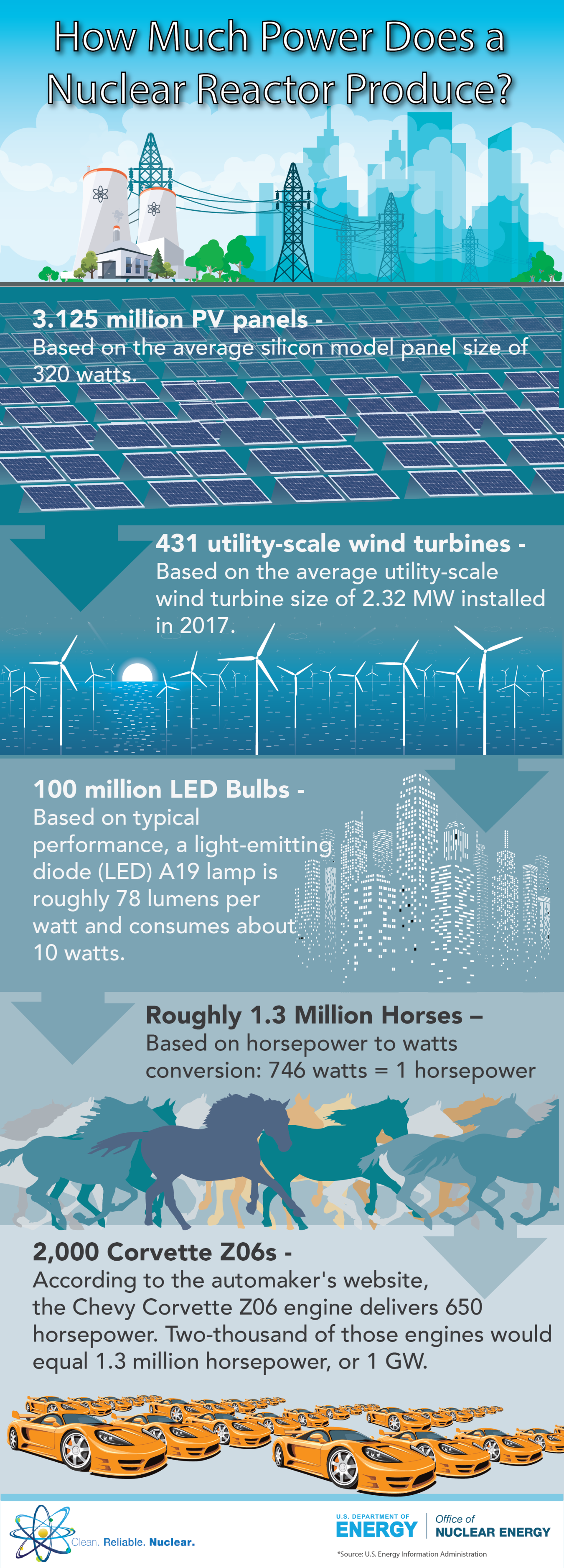
This is where it gets really cool! A typical, modern nuclear power plant is an absolute beast when it comes to energy production. We're usually talking about anywhere from 1,000 to 1,500 megawatts (MW) of electricity. To put that in perspective, 1 megawatt is enough to power roughly 750 to 1,000 homes. Mind-blowing, right?
So, if a plant is kicking out 1,000 MW, it could be powering around 750,000 to 1 million homes! That's not just your toaster anymore; that's enough to keep Netflix streaming for an entire metropolitan area, no buffering woes in sight! Some really beefy plants even hit the 1.5 gigawatt (GW) mark, which is 1,500 MW. That's a lot of juice!

The Marathon Runner of Energy
One of the coolest things about nuclear power plants? They're the marathon runners of the energy world. Unlike solar panels that nap when the sun goes down, or wind turbines that take a break when it's too calm (or too windy!), nuclear plants are like that incredibly reliable friend who's always there.
They operate 24/7, 365 days a year, only stopping for a quick "power nap" (refueling and maintenance) every 18-24 months. This means they provide a constant, steady stream of power, which is super important for keeping our grids stable. No FOMO for your power grid!

Tiny Pellet, Huge Punch!
Here’s another little tidbit that’ll make your jaw drop: a single uranium pellet, about the size of your pinky nail, contains as much energy as a ton of coal, or 17,000 cubic feet of natural gas, or 149 gallons of oil! Seriously! Imagine hauling all that coal – makes your back hurt just thinking about it, doesn't it?
This incredible energy density means nuclear power plants have a relatively tiny physical footprint compared to the vast land areas needed for solar farms or wind turbine fields. It's like having a mini-sun on Earth, but way less blinding and much more controlled!
So, What Does This All Mean?
It means nuclear power plants are powerhouses, plain and simple. They're designed to produce a vast, consistent amount of electricity from a surprisingly small amount of fuel. They're an incredible feat of human engineering, constantly working to keep our lights on and our devices charged.
From splitting tiny atoms to lighting up entire cities, nuclear power is truly a marvel. It's a testament to human ingenuity, quietly keeping our world buzzing with energy. So, next time you flip a light switch, take a moment to appreciate the immense, steady power that might be flowing from one of these incredible facilities.
Here's to the unsung heroes of energy, making our lives brighter, one atomic split at a time! Keep shining!