
How Much Energy Does A Central Ac Use

Ah, the sweet symphony of a central AC kicking in! That instant rush of cool, dry air on a sweltering summer day is nothing short of pure bliss. It’s our modern-day escape from the heat, transforming homes into personal Arctic sanctuaries. But as we bask in that glorious chill, a little question often whispers in the back of our minds: “How much energy is this comfort actually costing me?”
It’s a fair query, especially when you consider that your central air conditioner is often the biggest energy consumer in your home during those hot months. Think of it as the MVP of your summer electricity bill, for better or for worse! But before you start envisioning dollar signs evaporating into thin air, let's break it down in an easy-going, no-sweat kind of way.
The Big Energy Picture: What's Cooling You Down?
So, how much juice does your AC really guzzle? Well, it's not a one-size-fits-all answer, much like choosing the perfect swimsuit. Several factors play a starring role in your unit’s energy appetite:
Must Read
- Your AC's Age & Efficiency (The SEER Rating): This is arguably the biggest player. SEER stands for Seasonal Energy Efficiency Ratio. Think of it like your car’s miles per gallon. A higher SEER number means more efficient cooling and lower energy bills. Older units (say, pre-2006) might have SEER ratings around 8 or 10, while modern marvels can hit 20 or even 25! It’s like comparing a vintage muscle car to a sleek hybrid – both get you there, but one sips fuel, the other… well, you get the idea.
- Your Home’s Insulation & Sealing: This is huge! If your home is leaky like a sieve, all that lovely cool air is escaping, and your AC has to work overtime to keep up. It's literally throwing money out the window (or under the door!).
- The Outside Temperature & Humidity: Naturally, on a scorching 100-degree day with high humidity, your AC will labor much harder than on a mild 80-degree day. It's got more heavy lifting to do.
- Your Thermostat Settings: This is the one you have the most direct control over. Every degree you drop your thermostat below the ambient temperature means your AC has to work harder and longer.
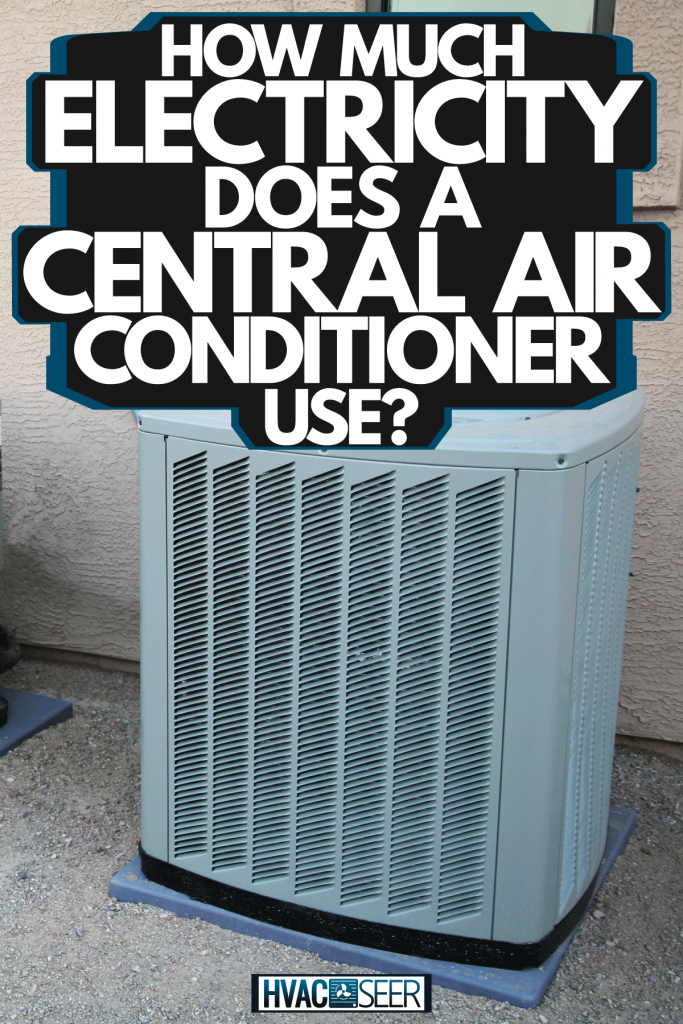
On average, a central AC unit can consume anywhere from 2,000 to 5,000 watts per hour, making it a substantial draw. For many homes, it can account for up to 60-70% of your summer electricity bill!
Chill Out Smart: Practical Tips for Savvy Cooling
Fear not, fellow comfort-seeker! You don't have to sweat through summer to save a few bucks. Here are some easy-peasy ways to keep cool without breaking the bank:
1. Embrace the "Set It and Forget It" Mantra (Mostly): Aim for a comfortable yet energy-efficient temperature. The U.S. Department of Energy often suggests setting your thermostat to 78°F (26°C) when you're home. When you're out and about, bump it up a few degrees (e.g., 82-85°F). You'll be amazed at the savings. A smart thermostat, like a Nest or Ecobee, can be your best friend here, learning your habits and adjusting automatically.
2. Regular Maintenance is Key:
Think of your AC as a finely tuned athlete – it needs a check-up!
• Change your air filter regularly: This is perhaps the simplest and most impactful thing you can do. A clogged filter makes your AC struggle, like trying to breathe through a pillow. Change it every 1-3 months.
• Schedule an annual tune-up: A professional can clean coils, check refrigerant levels, and ensure everything is running smoothly. This can boost efficiency by 5-15%!

3. Use Fans Strategically: Ceiling fans don't cool the air, but they create a wind-chill effect, making you feel cooler. So, crank up the ceiling fan and you might be able to raise your thermostat by a few degrees without sacrificing comfort. Just remember to turn them off when you leave the room – fans cool people, not rooms!
4. Block Out the Sun: Close blinds, curtains, and shades during the hottest parts of the day. South and west-facing windows are the biggest culprits for letting in heat. Dark-colored curtains or blackout blinds are particularly effective at keeping the sun's fiery gaze at bay.

5. Seal Up Those Leaks: Take a walk around your home. Feel any drafts near windows or doors? Use caulk and weatherstripping to seal them up. It's like putting a cozy blanket on your house – keeping the cool air in and the hot air out.
A Little Reflection on Comfort and Consciousness
In our modern world, air conditioning isn't just a luxury; it's often a necessity for health and comfort, especially in hotter climates. From keeping our food fresh (thank you, Willis Carrier, inventor of modern AC!) to ensuring productive work environments, cooling systems play a crucial role.
Understanding how much energy your central AC uses isn't about guilt-tripping yourself every time you reach for that thermostat. It's about empowering you with knowledge. It’s about being a little more mindful of your comfort choices, finding that sweet spot between blissful cool and conscious consumption. So go ahead, enjoy your perfectly chilled abode, but maybe now with a renewed appreciation for efficiency and a few clever tricks up your sleeve!
