How Much Electricity Does Heat Tape Use
Ever found yourself bundling up indoors when the winter chill really bites, maybe even worrying a little about those pipes tucked away in the crawl space? Or perhaps you've just been curious about all the hidden gadgets that keep our homes running smoothly. Well, one such unsung hero, especially when the mercury plunges, is heat tape. It's not just a practical tool; understanding its electricity usage is a fascinating peek into how we manage energy and prevent costly headaches in our daily lives.
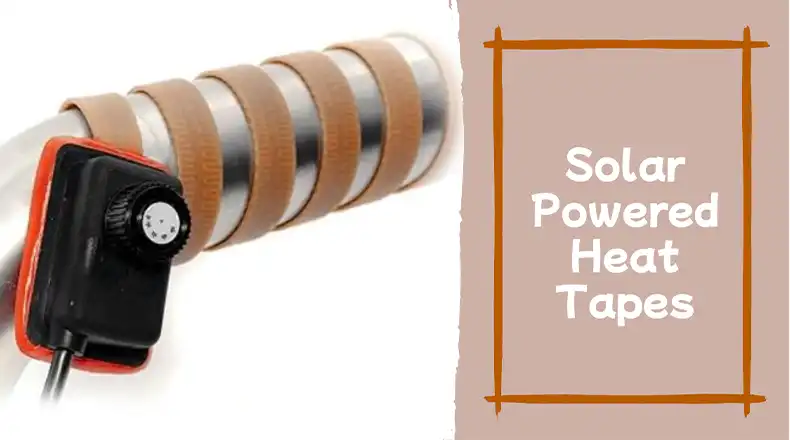
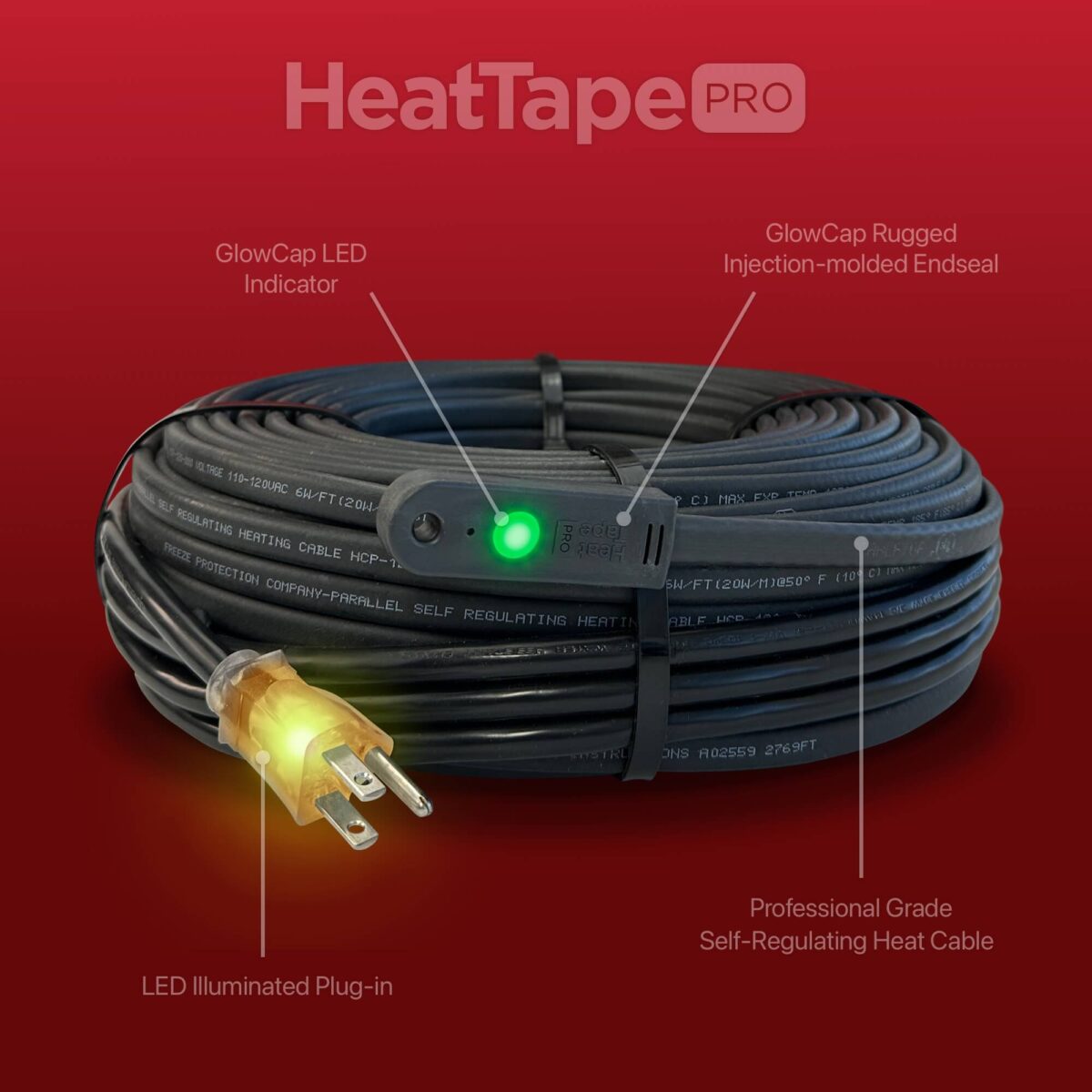
So, what exactly is this magical tape? Simply put, heat tape is an electric cable designed to generate a small amount of heat. Its primary purpose is to prevent things from freezing, most commonly water pipes. Imagine an electric blanket, but for your plumbing! The benefit is huge: it safeguards against burst pipes, which can cause devastating water damage and lead to expensive repairs. It's also often thermostatically controlled, meaning it only activates when the temperature drops to a pre-set level, making it quite smart and efficient.
You'll find heat tape in action in various places. In daily life, it's a lifesaver for water pipes running through unheated basements, crawl spaces, or near outdoor spigots. Many RV owners rely on it to keep their water lines viable during cold-weather travels. It even has applications beyond pipes, with specialized versions used for roof and gutter de-icing to prevent dangerous ice dams from forming. In a more educational context, heat tape serves as an excellent real-world example of resistive heating and how a targeted, relatively small amount of continuous power can avert a much larger, more expensive problem. You could even use a low-voltage version in a simple science fair project to demonstrate heat transfer or the effectiveness of insulation.
Must Read
Now, for the big question: How much electricity does it actually use? The answer, as with many things, is "it depends!" A typical heat tape for a household pipe might consume anywhere from 5 to 10 watts per foot. So, a 20-foot section could be drawing 100 to 200 watts when it's active. To figure out the cost, you'd calculate: Watts x Hours / 1000 = Kilowatt-hours (kWh). Then, multiply your kWh by your electricity rate (e.g., $0.15/kWh). For instance, a 100-watt tape running for 10 hours uses 1 kWh, costing you a mere $0.15. That's a tiny price for peace of mind!
Here are some practical tips and simple ways to explore this further. First, insulation is your best friend. Wrapping insulation over your heat tape dramatically reduces how long it needs to run, thereby saving electricity. Second, consider investing in a smart plug with energy monitoring. This lets you see in real-time exactly how many watts your heat tape is drawing and for how long it's active. It's a fantastic way to satisfy your curiosity and truly understand its energy footprint. Always ensure your heat tape is a UL listed product and installed according to the manufacturer's instructions for safety. And for a fun home experiment, you could use that smart plug to compare the run time of a heat-taped pipe with and without extra insulation – you might be surprised by the energy savings!