
How Much Electricity Dehumidifier Use
Your Dehumidifier: A Quiet Hero with a Secret Appetite?
Ah, the trusty dehumidifier! It's like a superhero battling moisture, making your home feel cozy and fresh.
No more sticky air, no more musty smells or that creepy damp feeling. It’s a true champion against hidden invaders.
But have you ever wondered about its secret life? What kind of energy appetite does this quiet hero really have?
Must Read
The Mystery of the Missing Watts
That little machine works tirelessly, pulling moisture from the air, often without a peep.
It’s doing a fantastic job, no doubt, but that hard work requires a bit of power from your home’s electrical system.
Let's peek behind the curtain and discover how much electricity it actually uses, making it a bit of an energy detective game!
Uncovering the Power Players
Not all dehumidifiers are created equal when it comes to sipping electricity.
Think of them like cars; some are compact and fuel-efficient, while others are powerful SUVs.
Their energy use depends on a few key factors, making each one a unique character in your home.
Size Matters: From Pints to Power
Dehumidifiers are often rated by how many "pints" of moisture they can remove in a day.
A smaller 30-pint unit generally uses less electricity than a larger 70-pint beast.
It's common sense, but easy to overlook when you're just looking for relief from the humidity.
Humidity Levels: The Real Workout
Imagine running a race uphill versus downhill. That's what humidity levels are like for your dehumidifier.
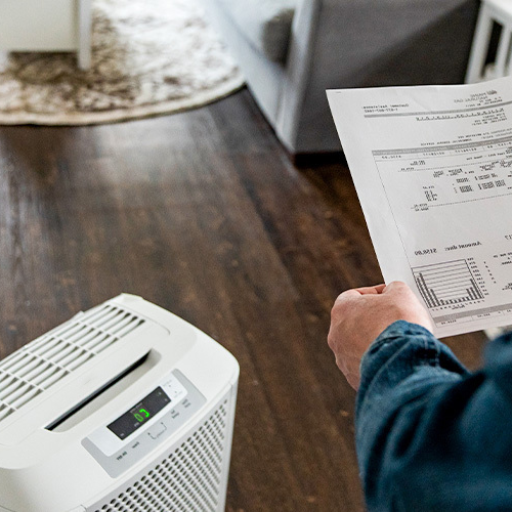
When your home is super humid, your dehumidifier works much harder, sucking up more power.
It’s like it’s breaking a sweat, and that effort shows up on your electricity bill.
Understanding the Energy Star Badge
Have you seen that little blue Energy Star label on appliances?
It’s a special badge of honor that means a product is designed to be more energy-efficient.
For dehumidifiers, an Energy Star model often uses about 15% less energy than standard models, which is pretty neat!
Choosing an Energy Star dehumidifier is like getting a cheat code for lower electricity bills. It's a smart move that pays off over time!
The Kilowatt-Hour Connection
So, how do we measure this secret energy appetite? It’s all about kilowatt-hours (kWh).
Think of a kWh as a "unit" of electricity, and your utility company charges you per unit.
A typical 50-pint dehumidifier might use anywhere from 400 to 700 watts of power.
If it runs for an hour, it uses 0.4 to 0.7 kWh, making the math surprisingly straightforward.
Your Dehumidifier's Daily Routine
How often your dehumidifier runs is perhaps the biggest factor in its electricity usage.

A unit running constantly will naturally use more power than one that cycles on and off.
This is where your personal settings become incredibly important, almost like setting a secret energy budget!
Setting the Right Target: Sweet Spot for Savings
Most dehumidifiers come with a humidistat, which lets you set your desired humidity level.
Aim for around 45-50% humidity for optimal comfort and energy efficiency.
Setting it much lower, like 30%, will make your unit work much harder and longer, using more electricity.
Sneaky Energy Wasters to Watch Out For
Sometimes, we unknowingly make our dehumidifiers work harder than they need to.
Leaving windows and doors open in a humid climate is like trying to cool your house with the fridge door open.
The dehumidifier will struggle to reach your target, leading to endless running and higher bills.
The Importance of Cleanliness
Just like your car needs an oil change, your dehumidifier needs a little TLC.
A dirty air filter can seriously reduce its efficiency, making it pull more power to do the same job.

Cleaning or replacing the filter every few weeks is a simple yet powerful way to keep it humming efficiently.
Making Your Dehumidifier a Team Player
You can help your dehumidifier by addressing other moisture sources in your home.
Fixing leaky pipes or ensuring good ventilation in bathrooms and kitchens can lighten its load.
Every little bit helps, turning the energy battle into a team effort!
Strategic Placement for Peak Performance
Where you place your dehumidifier also plays a role in its efficiency.
Keep it away from walls and furniture to allow for proper airflow, helping it capture moisture more effectively.
It’s about giving your hero the best possible vantage point for its moisture-fighting mission.
The Big Reveal: What Could it Cost?
Let's crunch some fun numbers, turning abstract kWh into real-world dollars and cents!
If your dehumidifier uses about 500 watts and runs for 12 hours a day, that's 6 kWh per day.
At an average electricity cost of $0.15 per kWh, that's about $0.90 a day, or roughly $27 a month.
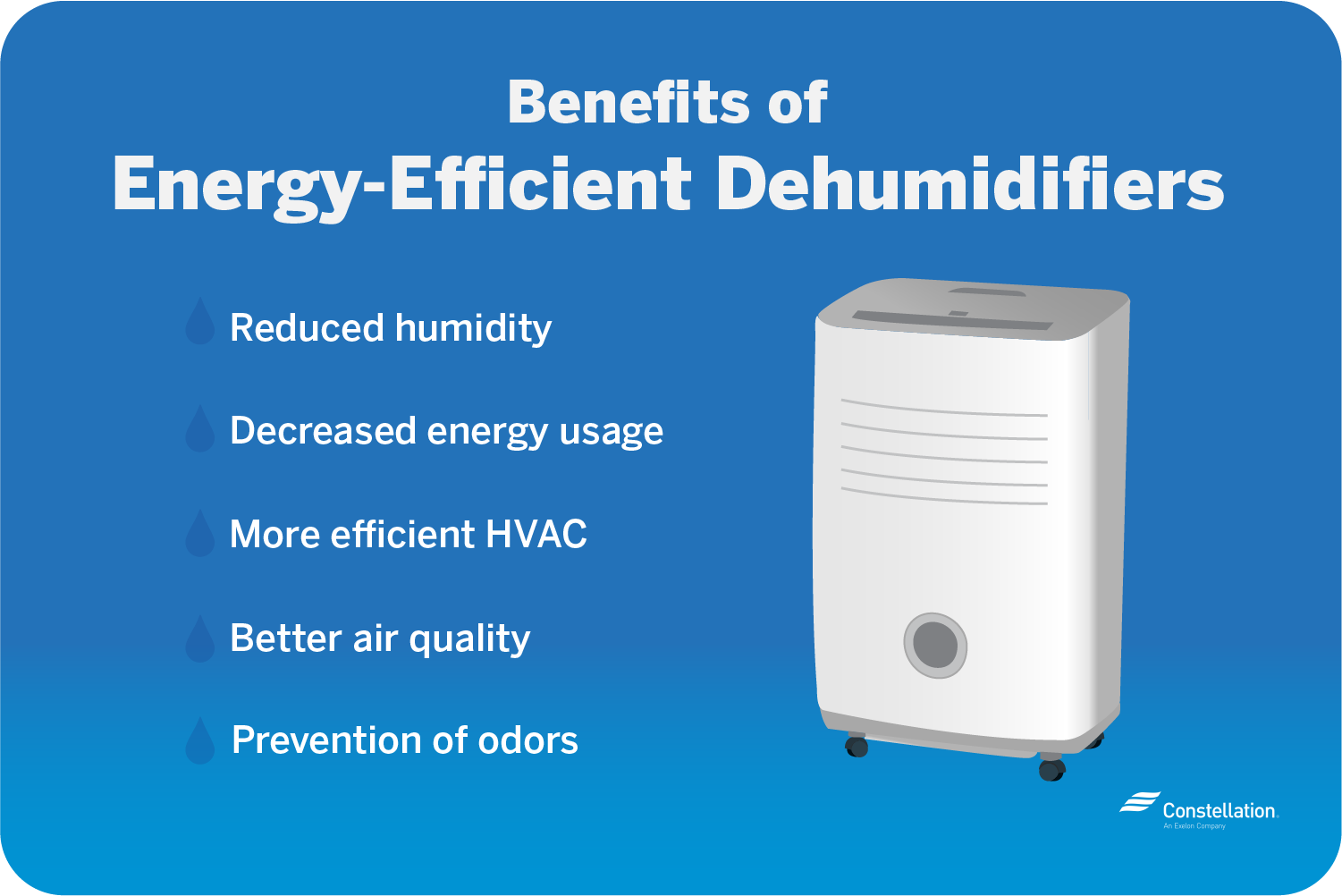
Of course, this varies wildly depending on your specific unit, usage, and local electricity rates.
Knowing these numbers makes electricity usage a fun game of strategy. It’s like being a financial wizard for your home appliances!
Summer vs. Winter: Seasonal Swings
Your dehumidifier's energy consumption often fluctuates with the seasons.
It will likely work hardest during humid summer months, leading to higher bills then.
In drier seasons, it might barely run at all, giving your wallet a nice break.
Inspiring Smart Energy Choices
Understanding how much electricity your dehumidifier uses isn't just about saving money.
It's about making informed choices for a more comfortable and energy-efficient home.
It empowers you to take control of your energy destiny, which is pretty special indeed!
Your Mission, Should You Choose to Accept It
Ready to become an energy detective in your own home? It's a surprisingly engaging quest!
Take a peek at your dehumidifier's wattage, check your settings, and look at your electricity bill.
You might be surprised by what you discover, and even find some hidden savings!