How Much Does It Cost To Replace A Cam Sensor

Imagine your car, your trusty steed, suddenly decides it's had enough. Not a full-blown dramatic breakdown, more like a slow, grumpy sigh. It's sputtering, maybe stalling, acting like it just woke up on the wrong side of the garage floor. You’re thinking, "What fresh hell is this?" Well, my friend, you might be having a little tête-à-tête with a wonky cam sensor. It's one of those things that sounds super techy and expensive, but honestly, it's often more of a nuisance than a financial apocalypse.
What Even Is a Cam Sensor?
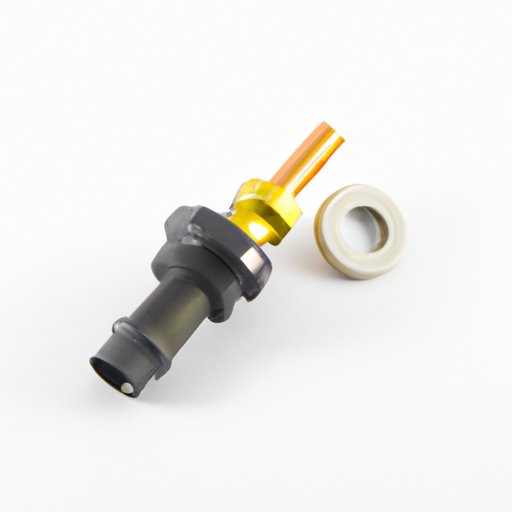
So, what is this mysterious cam sensor? Think of it as your engine's super important timing coordinator. Your engine is a finely choreographed dance of pistons going up and down, valves opening and closing – a mechanical ballet, if you will. The camshaft position sensor, or "cam sensor" for short, basically tells your car's computer exactly where the camshaft is at any given moment. It’s like the conductor of an orchestra, making sure the violins aren't playing when the drums should be soloing. If that conductor goes on strike, or just gets a bit confused, the whole symphony can sound... well, off-key.
The Telltale Signs: Your Car's Drama Queen Moments
How do you even know this little sensor is the culprit? Your car might start acting like a teenager who hasn't had their morning coffee. It could be hesitating, stumbling out of bed, or outright stalling at stoplights, like it's forgotten how to adult. You might notice a sudden drop in fuel economy (ouch!), or the check engine light might flash at you like a judgmental parent. Sometimes, it’ll even refuse to start, leaving you stranded and muttering about ungrateful machinery. It’s basically your car's way of saying, "Hey, something's not quite right in my brain box!"
Must Read
The Big Question: How Much Does This Drama Cost?
Alright, let's get down to the brass tacks, the actual damage to your wallet. This is where most people picture their bank account weeping softly in a corner. But here's the kicker: the part itself is usually not the scary monster under the bed.
The Part Itself: Surprisingly Budget-Friendly
A new cam sensor typically ranges from about $30 to $100. Yep, you read that right. It's often less than a fancy dinner out or that impulsive online purchase you kinda regret. For some models, it might creep up a bit higher, but generally, it's not going to break the bank. You’re probably thinking, "Phew! That's not so bad!" And you'd be right.

Labor Costs: The Real MVP (and Where the Price Climbs)
This is where the price tag usually takes a noticeable hike. Installing a cam sensor can be a bit like an archaeological dig – sometimes it's right there, easy to spot, like finding a coin on the sidewalk. Other times, it's buried deep under layers of engine components, hoses, and general automotive clutter, like searching for that tiny LEGO brick your kid lost under the sofa.
A mechanic's time isn't cheap, and for good reason! They've got the specialized tools, the diagnostic equipment, and most importantly, the know-how to get in there and fix things without turning your engine into a modern art sculpture. Depending on your car's make and model, and how "friendly" the sensor is to access, labor can range anywhere from $100 to $400 or more. For some truly cramped engine bays, it might even push higher. Think of it this way: you're paying for their expertise and the headache they save you.
DIY vs. Pro: The Great Debate
Are you a weekend warrior with a full toolbox and a YouTube degree in automotive repair? You could try tackling this yourself. For some cars, it's genuinely an easy fix – a quick plug-and-play. But for others, you might find yourself wrestling with stubborn bolts, accidentally disconnecting vital hoses, or dropping a tiny screw into the abyss of your engine bay, never to be seen again. My advice? Unless you're genuinely confident and have the right tools, this is one of those jobs where calling in the pros often saves you more money and sanity in the long run. Trust me, nobody wants their car to become a permanent fixture on their driveway because of a "simple" DIY gone wrong.
Factors That Can Nudge the Price
Just like everything else in life, a few things can nudge the price up or down:

- Your Ride: Is it a humble commuter car or a luxury beast with an engine bay designed by an alien architect? More complex, higher-end vehicles often mean pricier parts and more intricate labor. It's like comparing the cost of replacing a lightbulb in a tiny apartment versus a chandelier in a grand ballroom.
- Where You Hang Your Hat: Urban areas often have higher labor rates than rural ones. It's supply and demand, baby!
- The Shop: Your trusted independent mechanic will usually be more budget-friendly than a dealership, who often charge premium rates for their brand-name service. Think of it as the difference between your local coffee shop and a fancy hotel café – both serve coffee, but the price tag varies wildly.
The Grand Total: What to Expect
So, when you combine the part and the labor, you're generally looking at a total bill somewhere in the neighborhood of $130 to $500. Of course, there are always outliers, both cheaper and more expensive, but this gives you a pretty solid ballpark figure. It’s certainly not pocket change, but it’s also not the "sell a kidney" kind of money that some car repairs demand. It’s more like a "darn it, I guess I'm packing lunch this week" kind of expense.
The Takeaway: Don't Panic!
A failing cam sensor isn't the end of the world, even though your car might try to convince you otherwise with its dramatic sputtering. It's a common issue, and thankfully, often a relatively straightforward and manageable repair. So, the next time your car starts acting like it's forgotten how to function properly, take a deep breath. It might just be that little cam sensor, waving a tiny white flag. Get it checked out, get it fixed, and get back to cruising smoothly. Your car (and your wallet) will thank you!