How Much Does Electricity Cost In An Apartment
Ever wondered where your money really goes each month? Beyond rent and streaming subscriptions, a significant chunk often disappears into the mysterious realm of electricity bills. Understanding how much electricity costs in an apartment isn't just about saving a few bucks; it's about understanding your energy footprint and making informed choices that benefit both your wallet and the planet. Think of it as unlocking a secret level in the game of adulting!
The purpose of delving into your electricity costs is twofold: financial empowerment and environmental awareness. Financially, knowing where your energy dollars are going allows you to identify potential areas for savings. Could you benefit from switching to LED bulbs? Is your ancient refrigerator guzzling energy unnecessarily? Understanding your consumption patterns helps you answer these questions. Environmentally, being mindful of your electricity use contributes to a smaller carbon footprint. Less electricity consumed means less demand on power plants, many of which still rely on fossil fuels. It's a small step, but collectively, these small steps make a big difference.
So, how does this knowledge translate into everyday life? Consider this: a teacher uses a classroom projector daily. By understanding the projector's energy consumption, they can choose to use it more strategically, perhaps only for essential lessons, saving energy and money for the school. At home, imagine you're deciding between two TVs. Knowing the estimated annual energy cost of each model, readily available on the EnergyGuide label, can help you make a more economical and environmentally conscious decision, even if the initially cheaper TV ends up costing more in the long run through higher electricity bills.
Must Read
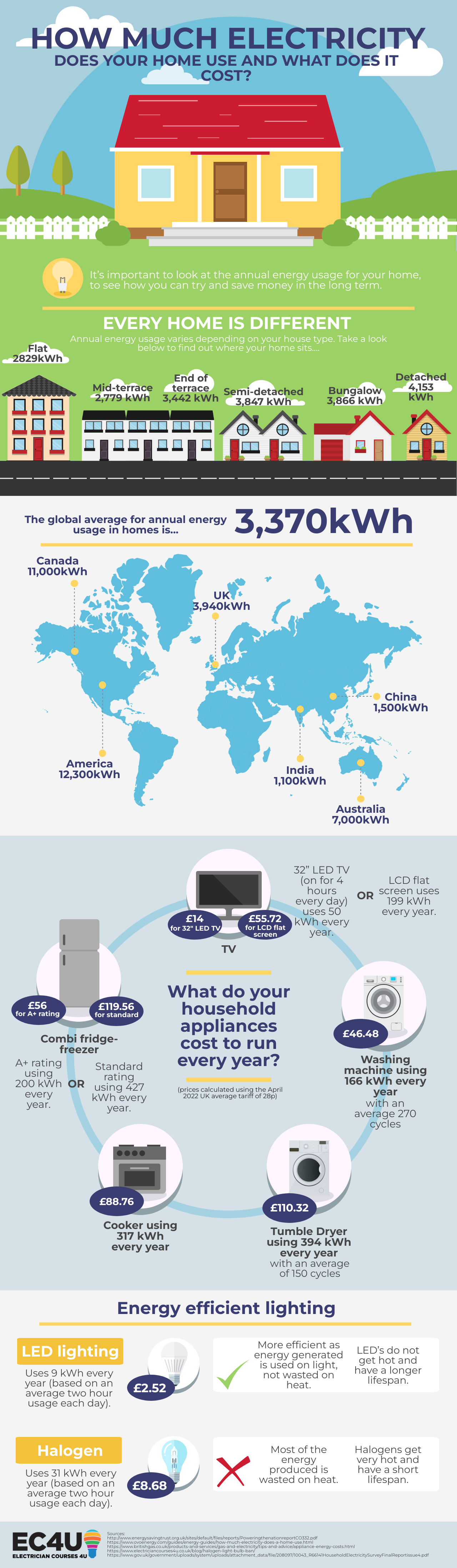
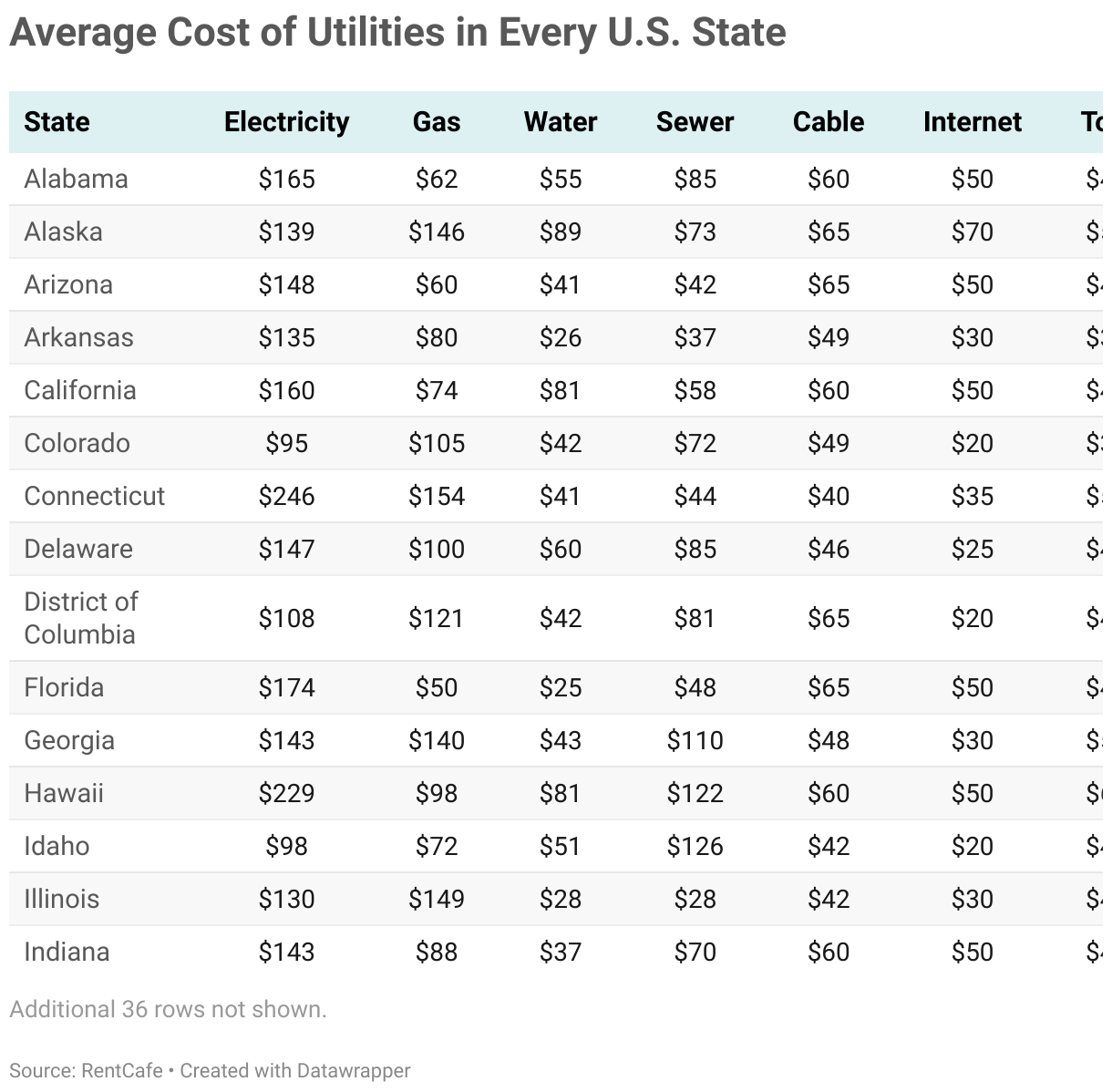
The cost of electricity in an apartment isn't a fixed number; it's a dynamic figure influenced by several factors. The most significant is your usage. How often do you run your air conditioner or heater? How long do you spend binge-watching your favorite shows? The more you use, the more you pay. Another key factor is the cost per kilowatt-hour (kWh) charged by your electricity provider. This varies depending on your location and the type of plan you have. Some areas have cheaper electricity than others, and some plans offer time-of-use rates, where electricity is cheaper during off-peak hours. Finally, the efficiency of your appliances plays a crucial role. Older appliances are typically less energy-efficient than newer models, meaning they consume more electricity to perform the same tasks.
Want to explore your apartment's energy usage? Start by checking your electricity bill. It will typically show your monthly consumption in kWh and the cost per kWh. Many utility companies also offer online tools that allow you to track your usage over time and compare it to similar households. You can also use a kill-a-watt meter, a handy device that plugs into an outlet and measures the energy consumption of individual appliances. This can help you identify energy hogs. Finally, consider simple changes like switching to LED bulbs, unplugging devices when not in use (phantom load!), and adjusting your thermostat a few degrees. These small adjustments can lead to significant savings over time and a greater understanding of your energy consumption habits. Understanding your electricity bill isn't just about paying the bill; it's about taking control of your energy future.