
How Much Does Electric Bill Increase With Electric Car
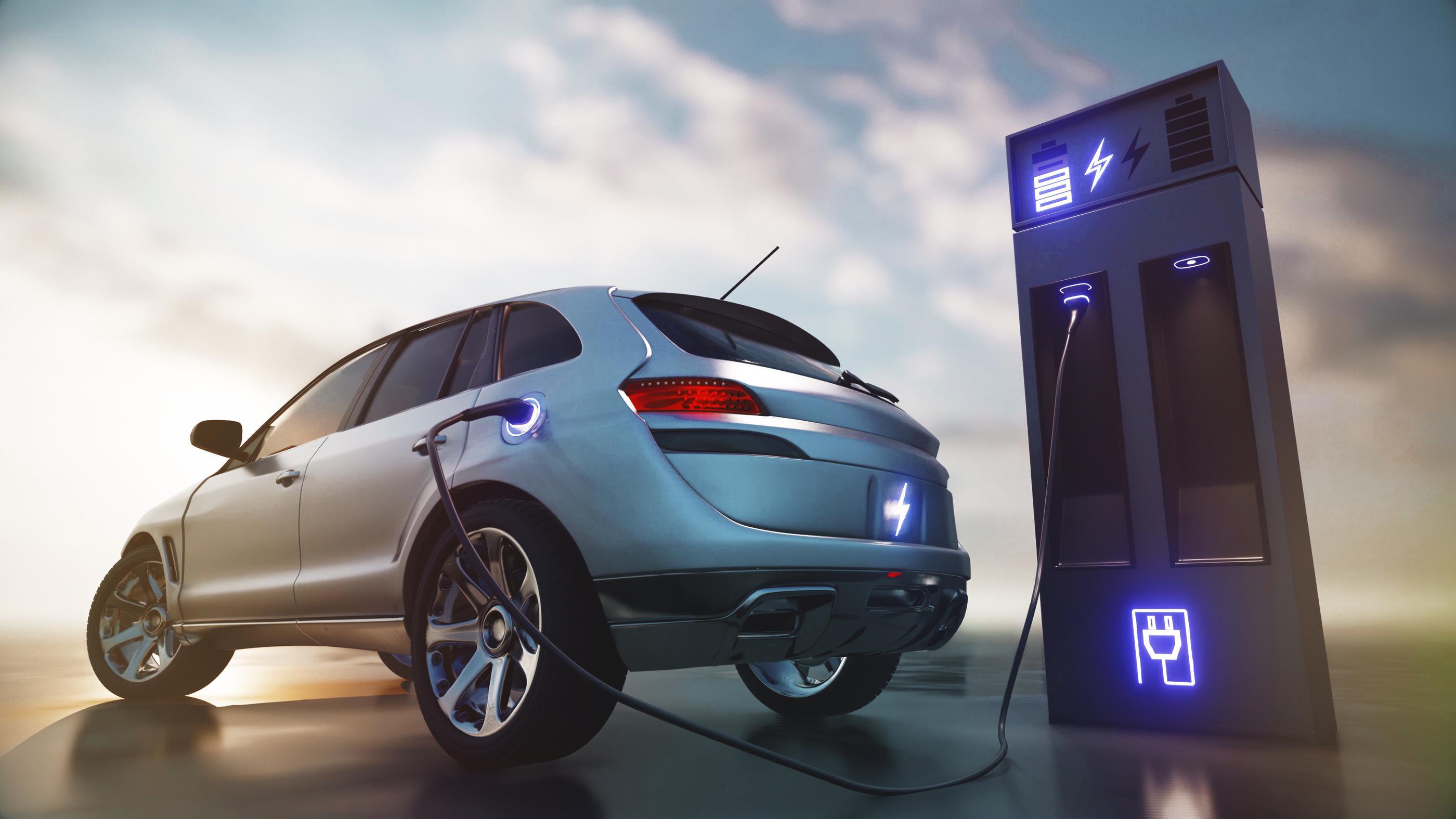
So, you're thinking about joining the electric car revolution? Awesome! You're probably picturing yourself cruising silently past gas stations, basking in the glow of environmental responsibility, and maybe even saving a few bucks. But hold on a second, before you trade in your gas guzzler, let's talk about the elephant in the (charging) room: your electric bill.
Understanding how an EV impacts your electricity consumption is crucial. It's not just about saving money on gas (which, let's be honest, is a huge plus). It's about budgeting, planning your energy usage, and avoiding any nasty surprises when that monthly bill arrives. We want to help you figure out if plugging in is a financially sound decision for you. Think of it as knowing the score before you start playing the game!
Okay, let's get down to brass tacks. Exactly how much will your electric bill increase? Well, the honest answer is: it depends. There's no one-size-fits-all answer, but we can break down the factors that influence the cost.
Must Read
First up: how much do you drive? This is the biggest driver (pun intended!) of the increase. The more miles you clock, the more electricity you'll need to replenish those batteries. A daily commuter driving 50 miles will naturally see a bigger jump in their bill than someone who only uses their EV for weekend errands.
Next, consider the efficiency of your EV. Just like gas mileage varies between cars, so does electricity consumption in EVs. Some models are more energy-efficient than others. Look for kilowatt-hours per 100 miles (kWh/100 miles) rating – lower is better! You can often find this information on the manufacturer's website or through independent reviews.

Then, there's the cost of electricity in your area. Electricity prices vary significantly depending on where you live. You can find your local rate on your current electric bill or by checking your utility company's website. This is a key factor in determining the actual dollar amount your bill will increase.
Finally, think about when you charge. Many utility companies offer time-of-use (TOU) rates, meaning electricity is cheaper during off-peak hours (typically overnight). Charging your car during these times can significantly reduce your charging costs. Imagine waking up to a fully charged car and a lower electric bill – talk about a win-win!
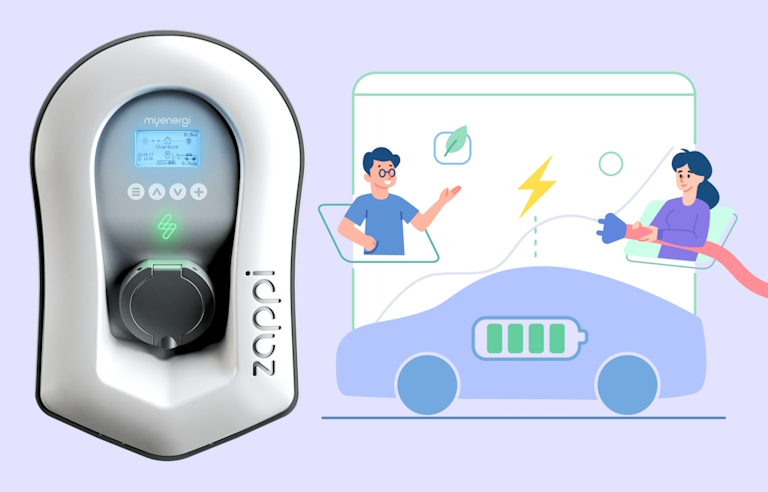
So, how do you estimate the increase? A simple calculation can give you a ballpark figure. Find the kWh/100 miles rating of your EV. Multiply that by the number of miles you drive per month (divided by 100). Then, multiply that number by your electricity rate per kWh. For example: (30 kWh/100 miles * 1000 miles / 100) * $0.15/kWh = $45. This gives you a rough estimate of $45 extra per month.
While this calculation provides an estimate, remember to factor in potential savings from TOU rates and the overall lower running costs compared to gasoline vehicles. Embrace the electric future, do your homework, and enjoy the ride! The increased electric bill might just be worth it for a quieter, cleaner, and potentially cheaper commute.

