How Much Do Air Force Reserves Get Paid
Ever wondered what it takes to serve your country while also pursuing a civilian career or education? The Air Force Reserve offers just that – a chance to make a real difference without putting your life entirely on hold. And, naturally, a big question on many people's minds is: How does the pay work? It’s a relevant question, because understanding the financial commitment and benefits can help you make an informed decision about whether or not this path is right for you. Let's explore the fascinating world of Air Force Reserve pay!
So, what exactly is the purpose of the Air Force Reserve? It's a component of the United States Air Force that allows individuals to serve part-time, providing vital skills and support during times of national emergency or when active-duty forces are deployed. The benefits are two-fold: For the individual, it offers valuable training, leadership opportunities, and a chance to serve. For the nation, it provides a surge capacity of skilled personnel ready to augment the active-duty Air Force.
The beauty of the Air Force Reserve lies in its flexibility. Reservists typically serve one weekend a month and two weeks a year for training (often referred to as "one weekend a month, two weeks a year"). This schedule allows them to maintain their civilian jobs or continue their education while fulfilling their military obligations. Pay is calculated based on your rank and time in service, just like in the active-duty Air Force. You are paid for each drill (training period) that you attend, as well as for the two weeks of annual training. It's essentially like having a part-time job with Uncle Sam that offers a unique blend of experiences and responsibilities.
Must Read
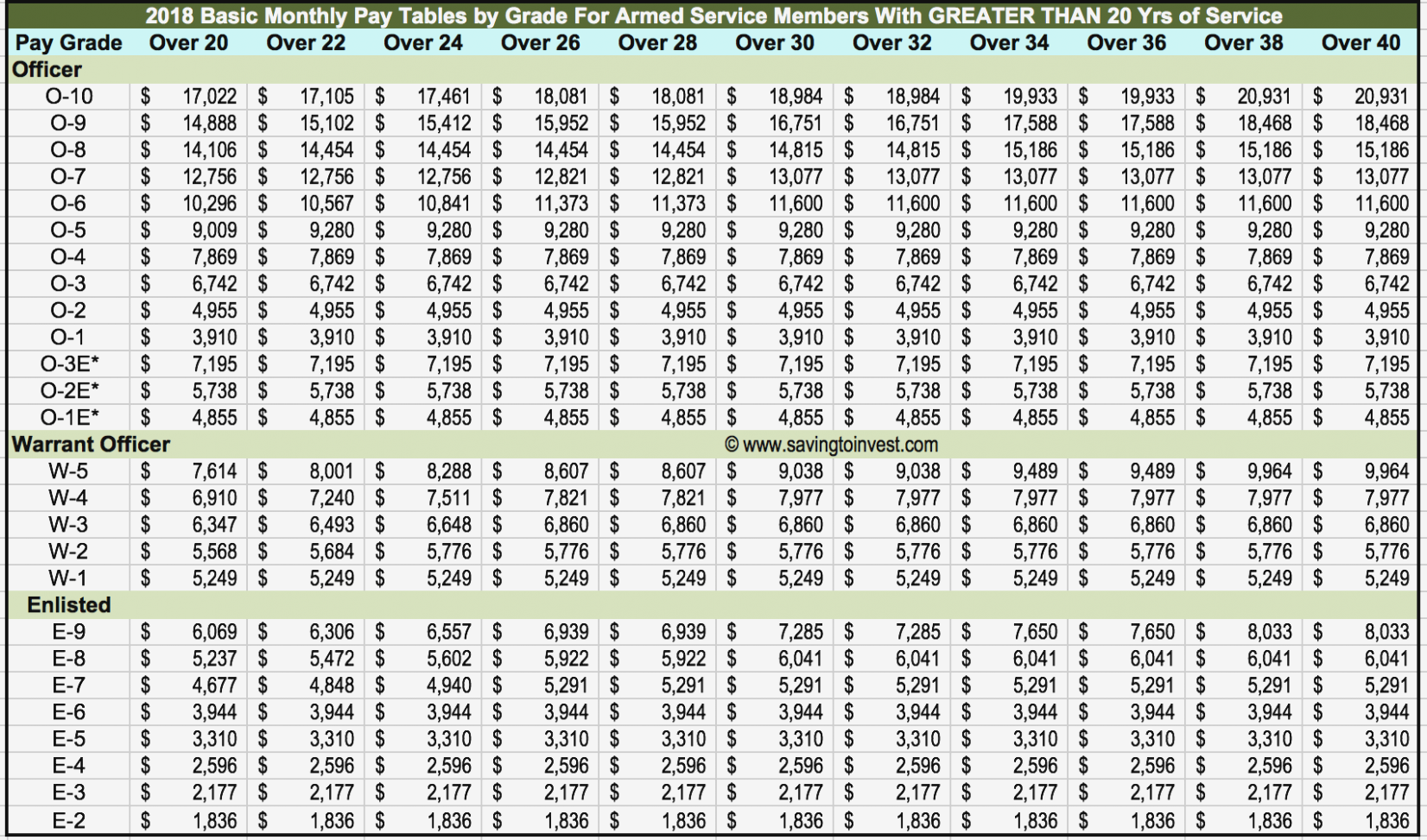
Now, let's get down to the specifics. While exact pay scales fluctuate annually, it’s helpful to understand the general structure. Imagine a brand new Airman Basic (E-1) joining the reserves. Their pay per drill weekend would be significantly less than a seasoned Chief Master Sergeant (E-9) with decades of experience. Paycharts, which are publicly available online, detail the exact compensation for each rank and pay grade. Keep in mind that certain specialties and skills might also qualify for additional bonuses or incentives. For example, a reservist with critical cybersecurity skills could potentially earn extra pay due to the high demand for their expertise.
How can this information be used in education or daily life? Well, understanding the financial aspects of military service is crucial for students considering joining the Reserve Officer Training Corps (ROTC) or other commissioning programs. It also helps in making informed career choices. For those already serving, familiarizing yourself with the pay system ensures that you're receiving the correct compensation and taking advantage of all available benefits, like tuition assistance or low-cost healthcare options.
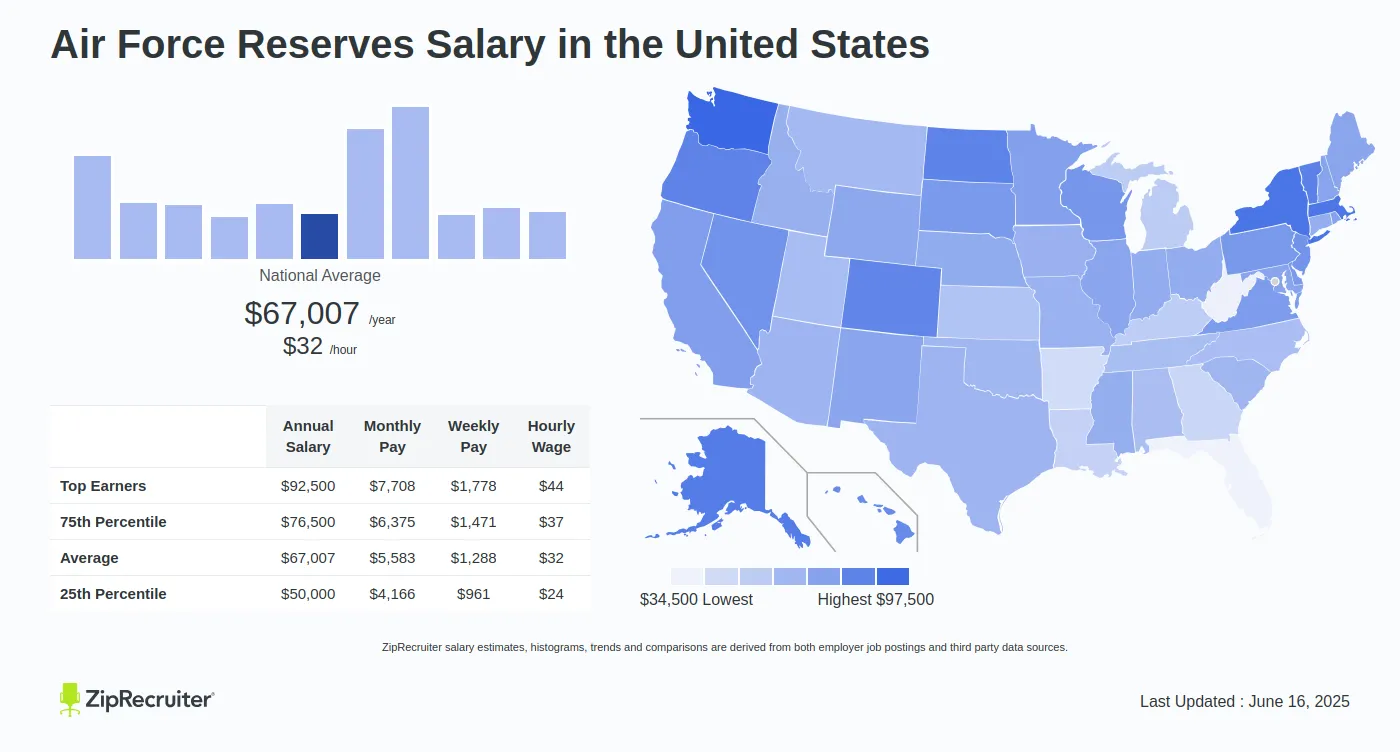
Ready to explore this further? Here are a few simple ways to delve into the specifics:
- Search online: Look for the official Air Force Reserve pay charts. These are usually updated annually.
- Talk to a recruiter: An Air Force Reserve recruiter can provide personalized information based on your qualifications and interests.
- Network: Connect with current or former reservists. Their experiences can offer valuable insights.
The Air Force Reserve offers a rewarding path to serve your country while maintaining a civilian life. Understanding the pay structure is a key step in determining if this unique opportunity aligns with your goals and aspirations. So, dive in, do your research, and discover if the Air Force Reserve is the right fit for you!