How Much Coconut Oil To Give A Dog
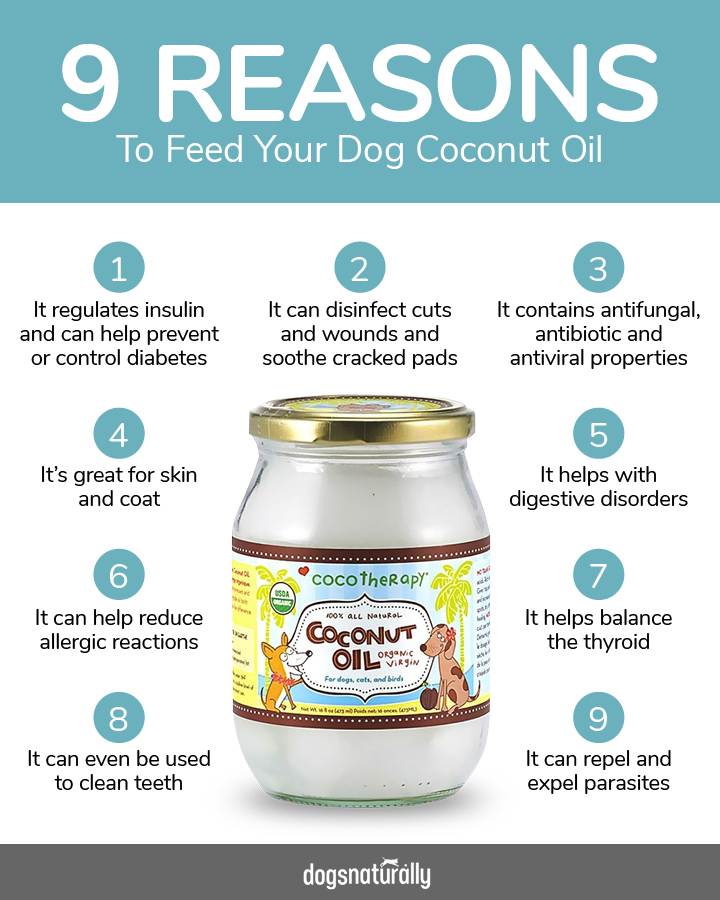
Okay, so you're thinking about giving your furry friend some coconut oil. Maybe you've heard it's like the magic elixir for dogs, solving everything from dull fur to… well, let's just say less-than-pleasant digestive situations. We've all been there. You see those glossy-coated pups on Instagram, and suddenly Fido's looking a little… lackluster. But before you go spoon-feeding your dog a whole jar (we've all had the urge!), let's talk about how much is actually a good idea.
Think of it like this: coconut oil is the dessert, not the main course. You wouldn’t eat a whole cake in one sitting, would you? (Okay, maybe you would, no judgement here! But your stomach probably wouldn't thank you.) Same goes for your dog. Too much, too fast, and you might be dealing with some, shall we say, urgent bathroom breaks.
So, What’s the Sweet Spot?
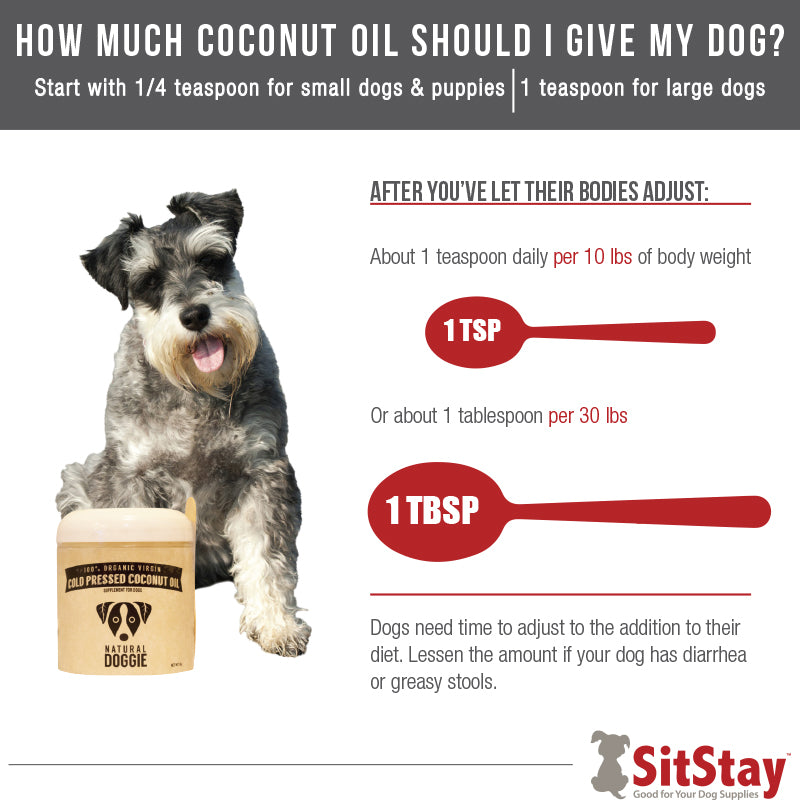
Alright, let's get down to brass tacks. The general guideline is about 1 teaspoon per 10 pounds of body weight per day. But hold your horses! That's just a starting point. Every dog is different, like snowflakes... or maybe more like those quirky socks everyone has in their drawer.
Must Read
Here's a slightly more detailed breakdown:
- Small dogs (under 20 lbs): Start with ¼ to ½ teaspoon per day.
- Medium dogs (20-50 lbs): Aim for ½ to 1 teaspoon per day.
- Large dogs (50+ lbs): 1 to 2 teaspoons per day.
Remember, start small. It’s like introducing a new dance move – gotta ease into it. Begin with a fraction of the recommended dose and see how your dog reacts. Is their tail wagging even harder? Great! Are they suddenly glued to the back door? Maybe ease up a bit.

Important! If your dog has any existing health conditions, especially pancreatic issues or a history of tummy troubles, chat with your vet before adding coconut oil to their diet. They know your pup best and can give you personalized advice.
How to Serve This Tropical Treat
Okay, you've figured out the dosage. Now comes the fun part: getting your dog to actually eat it. Some dogs will lick it right off the spoon (lucky you!), while others might give you the side-eye of suspicion. It's like trying to convince a toddler to eat their vegetables – sometimes you need a little creativity.

Here are a few ideas:
- Mix it with their food: The easiest way, usually. Just stir it into their kibble or wet food.
- Offer it as a treat: Some dogs enjoy the taste of coconut oil on its own. You can even freeze it into small cubes for a cool summer snack.
- Bake it into homemade treats: The internet is full of dog-friendly treat recipes that include coconut oil. Think of it as healthy baking.
Pro tip: Use unrefined, virgin coconut oil. It’s the purest form and retains the most beneficial properties. It’s like the difference between a freshly squeezed orange juice and the stuff from concentrate – you want the good stuff!

Watch Out for the…Oopsies
As we mentioned before, too much coconut oil can lead to some… digestive distress. We’re talking about loose stools, gas, and potentially even vomiting. Not fun for anyone involved, especially not your carpet. So, pay close attention to your dog's, ahem, output. If things start to get messy, reduce the amount of coconut oil or stop giving it altogether.
Basically, use common sense. If your dog's coat is already shiny and they're full of energy, they might not need any extra coconut oil. It's like adding extra salt to a perfectly seasoned dish – sometimes less is more.
Adding coconut oil to your dog’s diet can have some great benefits, just remember to start slow, monitor your dog’s reaction, and adjust the dosage as needed. And when in doubt, consult your veterinarian. Happy treating!