
How Much Carbon Monoxide Does A Car Produce

Gone with the Wind (and the Grimy Smog)!
Picture this: you're cruising down the road, wind in your hair, tunes blasting. You probably aren't picturing your car chugging out plumes of nasty, invisible gasses, right? And guess what? For most modern cars, you'd be absolutely spot-on! We're here to spill the beans on everyone's favorite silent, invisible villain – carbon monoxide – and how much (or rather, how little!) your trusty ride is actually producing these days.
The Not-So-Good Old Days: When Cars Were Dragon-Breath Machines
Let's take a quick, whimsical trip back in time, shall we? Back to the days when cars were, well, a bit more dramatic. Think 1960s, 70s, maybe even the early 80s. These beauties, bless their roaring hearts, often puffed out a significant amount of carbon monoxide. You could practically see the air shimmer behind them, a tell-tale sign of unburnt fuel and, you guessed it, more pollutants.
"Back then, a car might produce enough carbon monoxide to make you think it was trying to summon a small, grumpy smoke monster out of its tailpipe!"
Engines were less efficient, technology was simpler, and the concept of clean air wasn't quite the superstar it is today. A car back then could be a pretty significant contributor to city smog, and carbon monoxide was one of the big culprits, a real party pooper for our lungs.
Must Read
The Marvel of Modern Engineering: Our Clean-Air Champions
But hold onto your hats, because things have changed dramatically! Today's cars are like the eco-friendly superheroes of the road, practically whispering sweet nothings into the atmosphere compared to their ancestors. Thanks to decades of incredible innovation, regulations, and some seriously clever engineers, the amount of carbon monoxide a modern car produces is mind-bogglingly small.
Meet the Mighty Catalytic Converter!
What's the secret sauce, you ask? The unsung hero hiding beneath your car, quietly doing its magical work: the catalytic converter! This brilliant piece of kit, which became standard on most cars in the mid-1970s and has only gotten better, is like a miniature chemical wizard. It takes those nasty pollutants – including a hefty chunk of carbon monoxide – and converts them into far less harmful substances before they even leave your tailpipe. We're talking carbon dioxide (which plants love!), nitrogen, and water vapor. Pretty cool, right?
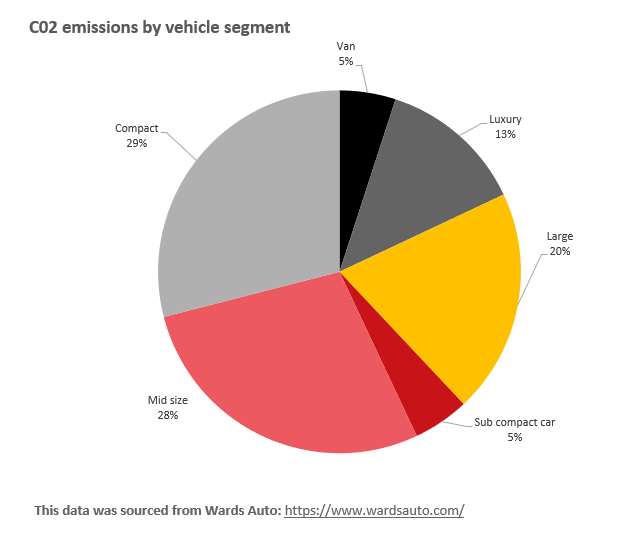
Think of it this way: without the catalytic converter, your car might be trying to bake a cake with raw ingredients. The converter is like the super-efficient oven that bakes it perfectly, transforming the harmful stuff into something much safer. It's truly a game-changer for air quality.
So, How Much Are We Talking? (Spoiler: Not Much!)
Here’s the fun part: the actual numbers for modern vehicles are astonishingly low. Compared to cars from the 1960s, today's average new car can produce 99% less carbon monoxide and other smog-forming pollutants. Yes, you read that right: NINETY-NINE PERCENT LESS!

To put it in perspective, imagine trying to find a specific grain of sand on a vast beach. That's how small the amount of carbon monoxide coming out of your car's tailpipe is in the grand scheme of things. It's almost negligible, especially if your car is well-maintained and relatively new. Most modern cars run so clean that sniffing their exhaust for a whiff of carbon monoxide would be like trying to catch a whisper in a hurricane – nearly impossible and definitely not recommended!
Of course, no combustion engine is completely zero-emission. A tiny, tiny bit of carbon monoxide will always be a byproduct. But the amount is so minuscule that you'd be hard-pressed to register it in open air. It's certainly not the primary concern for air quality that it once was, especially when you compare it to other potential sources like poorly vented gas stoves or faulty furnaces in a confined space. Those are the real CO threats to watch out for, not your clean-running car on the open road!
Breathing Easy and Driving Happy!
So, next time you hop into your car, give a little nod of appreciation to the incredible engineering that's gone into making it so much cleaner. Your modern vehicle is a testament to progress, a little guardian of our breathable air, quietly humming along and making the world a slightly better, fresher place with every mile. Now go enjoy that drive, knowing your car is doing its part for cleaner skies!

