
How Many Years Is A Infant Car Seat Good For
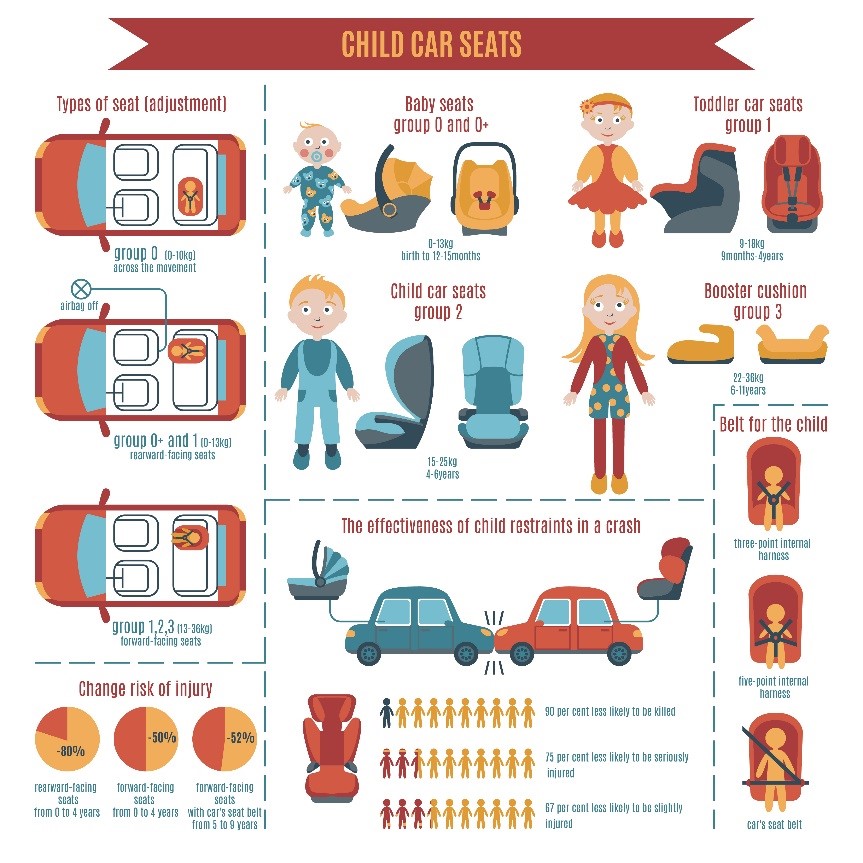
Okay, so picture this: You’re nesting. Or maybe you’re helping a friend nest. Boxes are piling up, adorable tiny clothes are being sorted, and then… you see it. Nestled in a corner, or perhaps handed down with the best intentions by a well-meaning relative, is the car seat. Maybe it’s a bit dusty, perhaps a little faded, but hey, it’s a car seat, right? And it looks perfectly fine! Your inner bargain hunter, or your friend’s overwhelmed wallet, lets out a little cheer. "Great!" you think, "One less big purchase to worry about!"
And then a tiny, nagging voice whispers in your ear (or maybe it was an actual person, bless their cotton socks): "Hey, uh… are car seats even good forever?"
BAM! That's when the record scratches. Because, my dear reader, that little voice is onto something absolutely crucial. Unlike that sturdy vintage dresser or that perfectly usable hand-me-down high chair, car seats – especially infant car seats – have a secret life hack. Or rather, a secret expiration date.
Must Read
Wait, My Car Seat Has a Best-By Date?!
Yup, you heard that right. It’s not just your yogurt or your fancy face cream that has an expiry. Your baby’s literal life-saving device also has a shelf life. And ignoring it is, well, something we just cannot do. Seriously. This isn't just about good intentions; it's about uncompromising safety.
You might be wondering, "But why? It’s just plastic and straps, isn't it?" Ah, if only it were that simple! Let's dive into the fascinating (and slightly unsettling) reasons behind this car seat "use by" date.
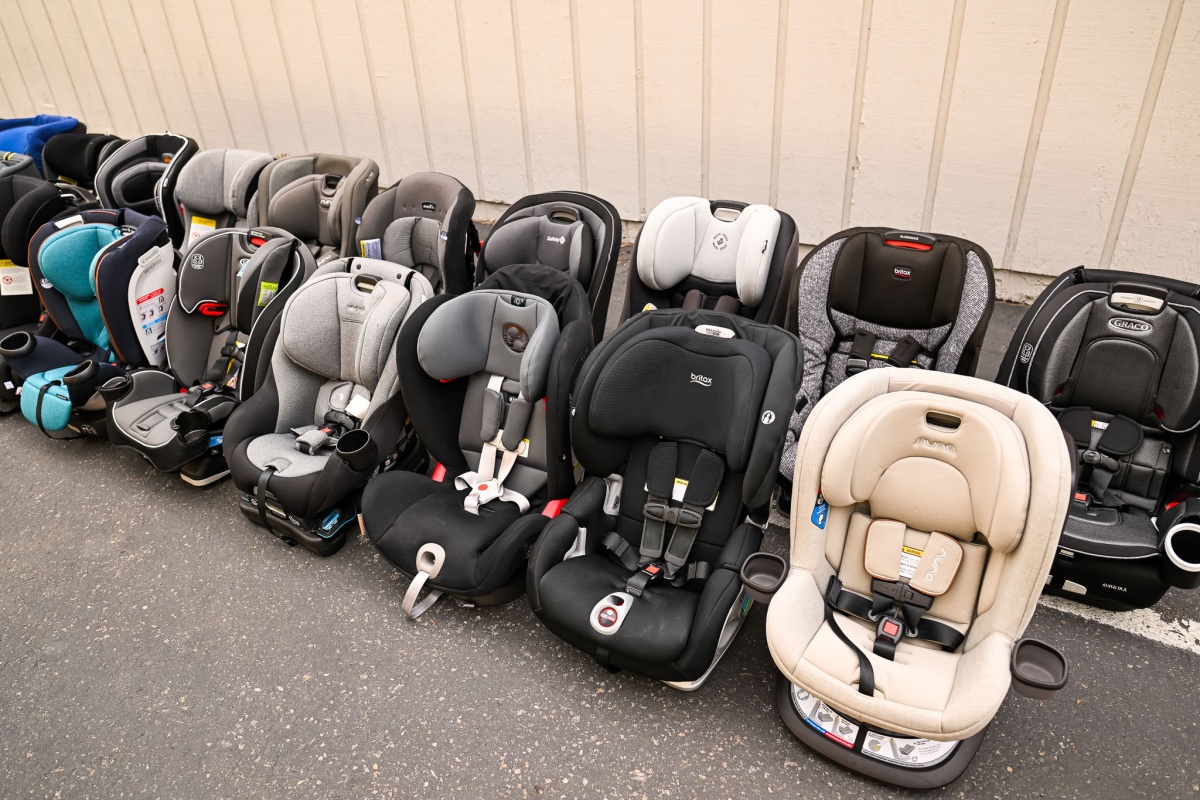
First off, think about the materials. Car seats are primarily made of plastic. Over time, and with exposure to extreme temperatures (hello, baking hot car summers and freezing winters!), that plastic degrades. It becomes brittle. Hairline cracks can form that you might not even see with the naked eye. In an accident, that degraded plastic might not perform as it was designed to, putting your little one at risk. And that’s a big fat NO from me, and hopefully, from you too!
Then there are the straps and buckles. These are constantly under stress – pulling, tugging, buckling, unbuckling. The webbing can fray, and the plastic or metal components of the buckles can wear down or lose their integrity. Imagine trusting your baby’s safety to a compromised harness system. Gives you chills, right? Me too.
Another huge factor? Safety standards evolve. What was considered top-tier safety ten years ago might have been significantly improved upon today. Manufacturers are constantly innovating, and new regulations are introduced based on the latest research and crash test data. An older seat, even if it looks perfect, might not meet the current, higher safety benchmarks.
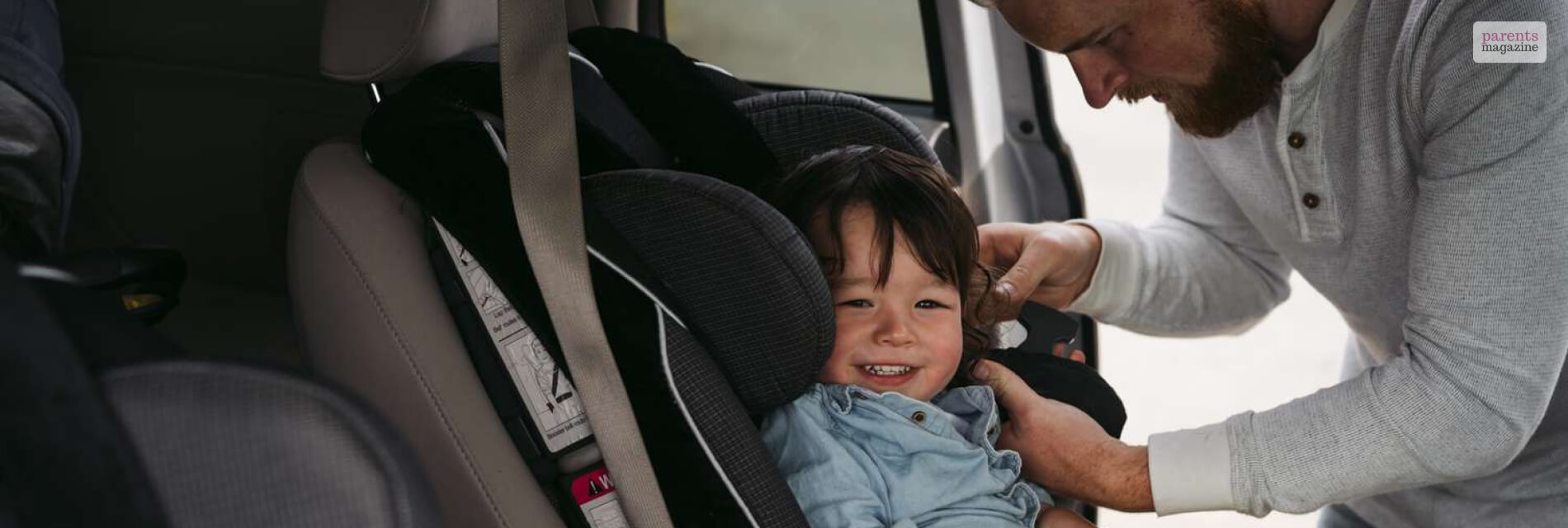
And let's not forget the wear and tear from everyday life. Food spills, sun exposure, countless trips in and out of the car, even just sitting in storage – it all takes a toll on the seat's structural integrity and its ability to protect your precious cargo.
So, How Do I Find This Mysterious Date?
This is the fun part, or maybe the mildly stressful part, depending on how old your seat looks! Every single car seat has either an expiration date or a date of manufacture clearly printed on it. This information is typically found on a label, often on the side, back, or bottom of the seat. You might have to do a little detective work, so grab a flashlight and get ready to crouch!

Look for terms like "Do Not Use After:" or a clear date. If you only find a "Date of Manufacture" (DOM), then you'll need to know the manufacturer's specific guidelines. Most manufacturers design their seats to last between 6 to 7 years from the date of manufacture. But here's the kicker: this can vary, so always, always check the specific instructions or the manufacturer’s website for your particular model. Don't guess!
The Hand-Me-Down Dilemma
This is where things can get a little awkward, I know. A well-meaning friend or family member offers you their old car seat. It looks great! And you want to be gracious. But please, for the love of all that is squishy and adorable, if you’re offered a used car seat, you need to be a little bit ruthless (in the kindest possible way, of course!).
Always ask:
"Do you know the expiration date on this?"
"Has it ever been in an accident, even a minor fender bender?" (Even a minor accident can compromise the structural integrity of a car seat, rendering it unsafe.)
"Do you have the instruction manual?" (You’ll need it for proper installation!)

If the answer to any of these questions makes you even slightly uncomfortable, or if the seat is expired, it’s a hard pass. Explain gently that safety standards are paramount, and you need to ensure the seat meets current guidelines. Most people will understand, especially when it comes to a baby’s safety. And trust me, the peace of mind knowing your little one is in a safe, uncompromised seat is worth a thousand awkward conversations.
The Bottom Line (Pun Intended!)
So, how many years is an infant car seat good for? Generally, you’re looking at around 6-7 years from its manufacture date, but that’s a ballpark figure. The real answer is: check the label, every single time. And remember, that expiration date isn't just a suggestion; it's a critical safety guideline designed to keep our tiniest passengers as safe as humanly possible.
When in doubt, throw it out (responsibly, of course! Many communities have car seat recycling programs). Your peace of mind, and more importantly, your baby's safety, is absolutely priceless. Don't you agree?