
How Many Watts Window Ac Unit

Alright, friend, pull up a chair, grab your iced latte (or a super-chilled anything, because let's be real, you're probably sweating). We need to talk about window AC units. Specifically, that burning question that pops up when your eyeballs feel like they're baking in a toaster oven: "How many watts do I need?!"
And I'm gonna hit you with a curveball right off the bat. Are you ready? Deep breath. While "watts" are super important for, like, your electricity bill and whether your old apartment building's wiring will spontaneously combust (just kidding! Mostly.), when you're thinking about how much cold air an AC unit can actually pump out, watts aren't the primary thing you look for.
Mind blown, right? I know, I know. It's a bit like asking how many horsepower your microwave has when you just want to know if it'll heat your leftovers. Horsepower is a measure of power, sure, but not for microwaves! So, what are we looking for then? Drumroll, please...
Must Read
It's All About the BTUs, Baby!
Yep, you heard me. BTU. British Thermal Unit. Sounds fancy, super British, maybe involves a nice cup of tea. But really, it's just the standard way we measure an air conditioner's cooling capacity. Think of it as the unit's "cold-making muscle." The higher the BTU, the more heat it can remove from a room in an hour. Simple as that!
So, instead of fixating on "watts," your mental checklist should be screaming, "How many BTUs do I need?!" It’s the real MVP of AC shopping. Watts? We’ll get to them. They’re like the supporting cast, super important, but not the star of the cooling show.
How Many BTUs Do YOU Actually Need? (The Million-Dollar Question)
This is where it gets personal. Because your tiny cozy nook needs a vastly different amount of cooling power than, say, your ridiculously sunny living room where plants go to get tan. The main factor? Your room's square footage.
Here’s a super rough, back-of-a-napkin guide. Keep in mind, this is just a starting point. We'll add some caveats in a sec!
- Small Room (100-150 sq ft): Think 5,000 - 6,000 BTUs. Perfect for a tiny bedroom or home office.
- Medium Room (150-250 sq ft): You're looking at 6,000 - 8,000 BTUs. A standard bedroom, maybe a slightly larger office.
- Larger Room (250-350 sq ft): Around 8,000 - 10,000 BTUs. Now we're talking a bigger bedroom or small living room.
- Even Bigger (350-450 sq ft): Step up to 10,000 - 12,000 BTUs. Most living rooms or open-plan areas fall here.
- Pretty Big (450-550 sq ft): Go for 12,000 - 14,000 BTUs. For those extra-large living spaces.
See? BTUs are the language of cool. Now, let's jazz it up a bit with some extra considerations:

- Sunny Side Up? If your room gets a lot of direct sunlight (like, seriously, it feels like the sun lives there), you might want to add 10% to your BTU estimate. The sun is a heat-making machine!
- Kitchen Karma: Is it a kitchen? All those appliances (oven, stove, toaster – mini volcanoes!) generate heat. Boost your BTUs by about 4,000 if it's a kitchen. No one likes a sweaty chef!
- Party Palace: More than two people regularly in the room? Add 600 BTUs per additional person. Yeah, humans are surprisingly toasty.
- High Ceilings & Poor Insulation: Got soaring ceilings or an older home that basically lets the outside in? You might need to bump up those BTUs a bit more. There's no magic formula here, just good old common sense.
The goal is to get it just right. Too few BTUs, and your AC will run forever, never quite cooling things down, like a hamster on a wheel going nowhere. Too many? And it'll cycle on and off too quickly, leaving your room clammy and humid (because it doesn't run long enough to dehumidify) and actually less comfortable. Plus, you’re just wasting energy!
Okay, So Where Do Watts Actually Come In?
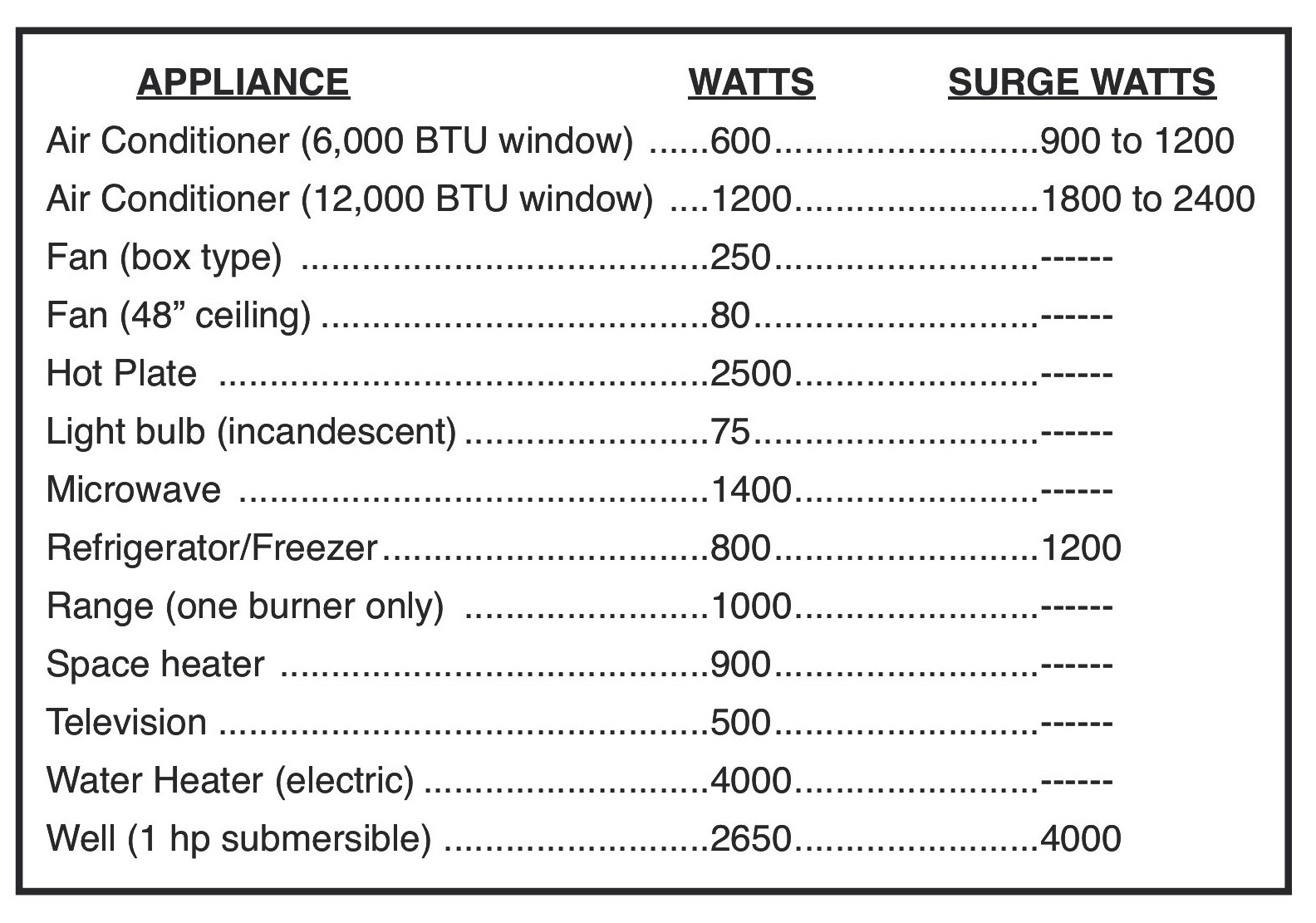
Alright, now that we've established BTUs as your cooling compass, let's bring watts back into the conversation. Because, yes, they are important! When you see an AC unit's wattage, that's telling you how much electrical power it consumes to do its job.
Think of it like this: BTUs are how strong the AC's "cooling punch" is. Watts are how much "energy drink" it needs to throw that punch. More watts generally mean more electricity used, which, sadly, means more money on your electricity bill. Boo!

So, while a 10,000 BTU unit will always be a 10,000 BTU unit in terms of cooling power, two different 10,000 BTU units might have different wattage ratings. Why? Energy efficiency!
A Quick Nudge on Energy Efficiency (EER/CEER)
This is where terms like EER (Energy Efficiency Ratio) or the newer CEER (Combined Energy Efficiency Ratio) pop up. Without getting too bogged down in acronyms, these numbers essentially tell you how many BTUs you're getting per watt of electricity consumed. Higher EER/CEER = more efficient = fewer watts used for the same cooling = happier wallet. Always a win!
Look for the Energy Star label! It's like a little gold star telling you, "Hey, I'm pretty good at not guzzling electricity!"
The Takeaway: Don't Sweat the Small Stuff (Unless it's the Heat)
So, when you're staring at a wall of window AC units, don't get hung up on the watts initially. Your first mission, should you choose to accept it (and you should, because sweat is not a good look), is to figure out the right BTU range for your specific room.
Once you've got that golden BTU number, then you can start comparing wattage and EER/CEER among units in that BTU range to pick the most energy-efficient (and budget-friendly!) option. It's like finding the perfect shoe size first, and then choosing between the comfy, stylish, and energy-efficient options!
Remember, a little research now saves you a lot of discomfort and regret (and high electric bills) later. Stay cool, my friend, stay cool!