
How Many Watts To Run Well Pump
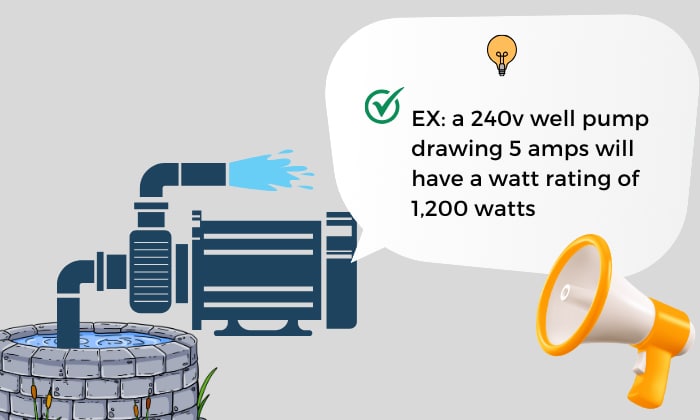
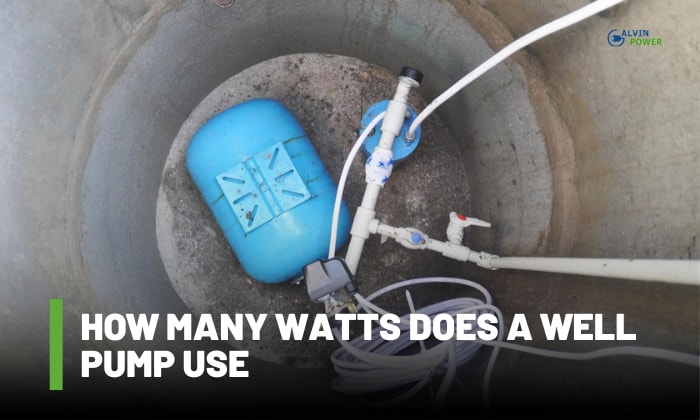
Alright, let's talk about one of life's surprisingly complex necessities: how many watts does it take to make water come out of the ground? For those of us with well water, the pump is our unsung hero, the tireless muscle that keeps our showers running and coffee brewing. It needs its fuel – electricity – and that brings us to the mighty watt.
The Elusive Wattage: Not a Simple Number
You want the magic number, right? The single, definitive answer to "How many watts to run a well pump?" Oh, if only it were that simple! This isn't a "one size fits all" kind of deal. It's more like asking "How much does a car cost?" Well, is it a beat-up pickup or a luxury sports car that whispers sweet nothings? Your well pump's wattage is a chameleon, constantly changing its colors based on a few key factors. It's not trying to be difficult; it just has a very important, variable job.
The Big Three Factors That Dictate Pump Power
Think of these as the main culprits dictating how much juice your pump guzzles:
Must Read
1. Well Depth: Is Your Water Playing Hard-to-Get?
This is huge. Is your water practically waving hello from the surface? Or is your pump undertaking a spelunking expedition hundreds of feet deep into the earth's crust? The deeper the water, the harder your pump has to work, and consequently, the more watts it demands. It's simple physics: more lift, more power.
2. Pump Type: Submersible vs. Jet Pump Showdown
There are two main contenders in the well pump arena:
-
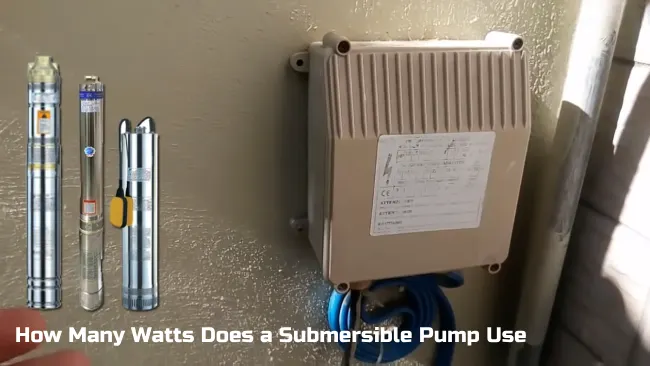
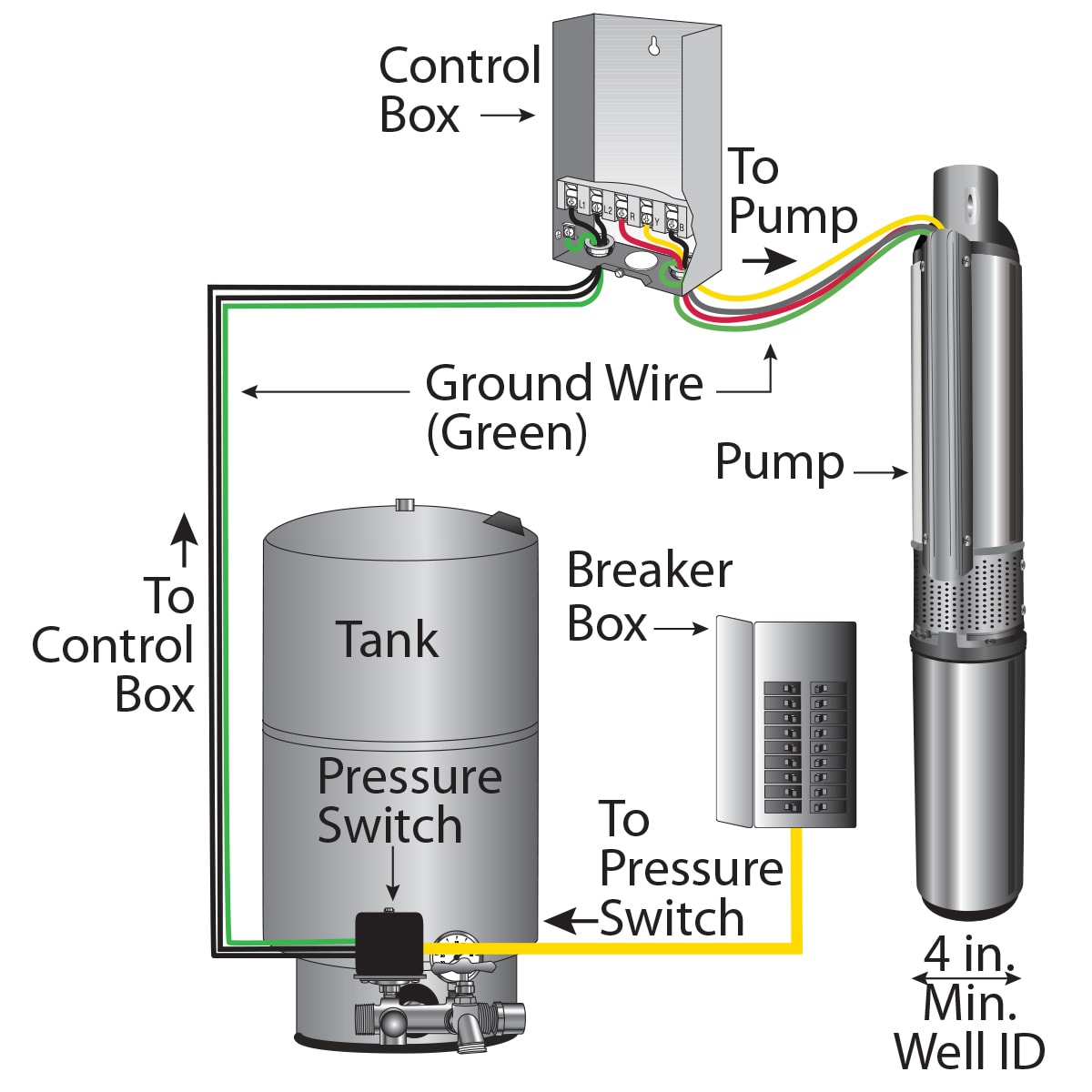
Submersible Pumps: The Deep-Sea Divers. These bad boys live right in the water at the bottom of your well, pushing it upwards. They're generally more efficient for deeper wells (typically over 25 feet) and delightfully quiet because they're underwater.
-
Jet Pumps: The Surface Suckers. These live above ground, usually in your basement or a pump house, 'sucking' water up. They're typically used for shallower wells (under 25 feet), as physics limits how much you can truly "suck." Each type has different power needs and efficiencies.
3. Horsepower (HP): The Real Powerhouse (with a Twist!)
Ah, horsepower (HP). Pump sizes are often rated in HP, like 1/2 HP, 1 HP, etc. Higher HP generally means more water it can move and, you guessed it, more watts it will consume. But here's the twist, and it's a critical one: your well pump actually has two crucial wattage numbers you need to worry about. There's the running watts (what it uses steadily once it's chugging along) and the much, much higher starting watts (the brief, but intense, surge it needs to kick into gear). This surge can be a mind-boggling 2 to 5 times higher than its running watts! It’s like a mini rocket launch before it settles into cruising altitude.
Ballpark Wattage Ranges (Always Check Your Label!)
Alright, enough with the suspense. Let's talk numbers, with the huge caveat that these are just general guidelines. Always check your specific pump's label!
-
A typical 1/2 HP well pump might use around 750-1,500 running watts. But get this: its starting watts could easily jump to 1,500-3,000 watts! That's a serious jolt.
-
A more powerful 1 HP well pump could be in the range of 1,000-2,000 running watts. Its starting watts? Prepare yourself: 2,000-5,000 watts or even higher!
-
Even larger 1.5 HP or 2 HP pumps can push well over 2,000 running watts and demand starting surges of 6,000+ watts!
See why those starting watts are so important? If you're planning on running your pump off a generator or solar system, ignoring that initial surge is like trying to lift a car with a spaghetti noodle. Spoiler: it won't end well.
Why You Absolutely Need to Know These Watts
Beyond satisfying your newfound curiosity, understanding your well pump's wattage is crucial for a few big reasons:
-
Generator Sizing: If you're relying on a generator during a power outage, you absolutely must account for those crazy starting watts. Otherwise, your generator will just cough, sputter, and then give you the digital equivalent of a shrug.
-
Solar Power Systems: Building a solar setup? Your inverter needs to handle that surge, and your battery bank needs enough oomph to deliver it. Undersize, and your solar system will be as useful as a screen door on a submarine.
-
Electricity Bills: While the running watts are the ones that steadily add up on your bill, knowing your pump's consumption helps you understand where some of your power goes. It’s a silent, unseen siphon on your wallet, especially if your pressure tank is cycling your pump on and off frequently.
Finding Your Pump's Specific Watts (No Psychic Required)
Forget psychic readings or complex equations. The easiest way to find out your pump's wattage is usually right on the money:
-
Check the Label: Most pumps have a data plate or label with all the juicy details: HP, voltage, amperage. Sometimes it even lists watts directly!

How Many Watts Does a Water Well Pump Use? Find Out Now to Save on Your -
Consult the Manual: If you're lucky enough to have it, the pump's manual is a treasure trove of information.
-
Google is Your Friend: Type in your pump's brand and model number (e.g., "Goulds J10S pump watts") and chances are, someone online has already asked and answered your question.
-
Amps x Volts = Watts (The Electrician's Trick): If you find amps and volts, you can calculate running watts (Amps x Volts = Watts). For starting watts, you often need to look up a "starting current multiplier" for your specific pump type, or just assume a hefty 3-5x multiplier for safety.
The Takeaway: Don't Underestimate Your Water Wizard
So, there you have it. The humble well pump, a complex little marvel that brings life-sustaining water to your home, demands a surprisingly specific (and often hefty) amount of power. It's not a simple question with a simple answer, but with a little digging (pun absolutely intended!), you can figure out exactly what your water wizard needs.
Remember, when planning for power, always account for those sudden, monstrous starting watts. It's better to over-prepare than to be left high and dry. And next time you turn on your tap, spare a thought for that hardworking pump down below, quietly demanding its watts to keep your life flowing smoothly. Cheers!