
How Many Watts Make A Kilowatt
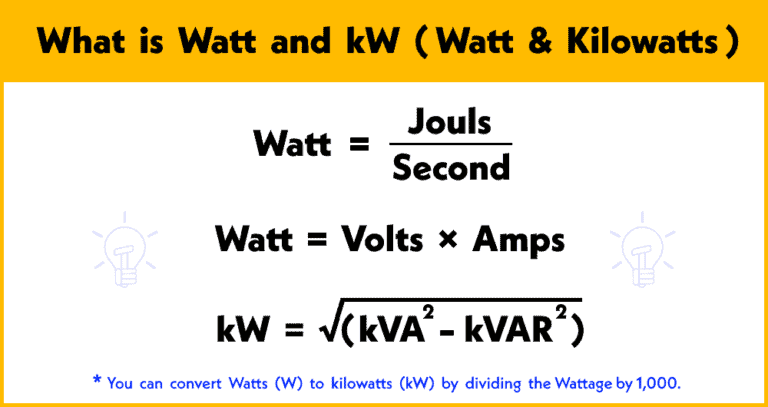
Alright, electrical adventurers and curious minds, gather 'round! Today, we're diving headfirst into a question that pops up more often than a pop-up toaster on a Monday morning: How many watts make a kilowatt?
It sounds like a secret society handshake, right? Or perhaps a riddle only decipherable by quantum physicists. But fear not, intrepid explorer of household current, because we're about to demystify it with so much glee, you'll feel like you just discovered electricity for the first time!
Think about it: every single day, we live in a symphony of invisible power. Your phone charger hums, your TV glows, your coffee maker gurgles – all thanks to the magic of electricity. And behind all that magical hum and glow are our two star players: the watt and the kilowatt. They’re like the dynamic duo of electrical measurement, but with one being the plucky sidekick and the other the mighty superhero.
Meet the Plucky Sidekick: The Watt!
Let’s kick things off with the smaller, yet incredibly mighty, unit: the watt. Named after the brilliant Scottish inventor James Watt (who, coincidentally, didn't actually invent electricity, but perfected the steam engine – talk about multi-talented!), a watt is essentially a measure of power. Think of it as the individual little worker bee in the grand hive of your electrical system.
Must Read
A single watt is pretty tiny on its own. Your phone charger might sip around 5-10 watts. A small LED light bulb? Maybe just 7-10 watts. It’s like a single sprinkle on a donut, or one tiny Lego brick. Important? Absolutely! Essential? You bet! But it takes a lot of them to build something truly impressive, like a giant Lego castle or a donut that could feed a small army. Every flicker, every hum, every subtle warmth starts with these humble units.
Now, For the Mighty Superhero: The Kilowatt!
And now, ladies and gentlemen, prepare for the grand entrance of the head honcho, the big cheese, the power-packed champion of electrical measurement: the kilowatt! You see that little kilo
prefix? That’s where the magic multiplies. In the metric system, kilo
always means one thousand of whatever it's attached to. Like a kilogram
is a thousand grams, or a kilometer
is a thousand meters. It’s a universal superpower that applies to everything from weight to distance, and yes, even to electricity!
So, if a kilogram is a thousand grams, and a kilometer is a thousand meters, then you might be sensing a pattern, a glorious revelation just around the corner, right? Your brain is making those powerful electrical connections!
The Big Reveal! (Drumroll, please...)
Brace yourselves, because here it is, the answer you’ve been waiting for, the secret decoded, the mystery unraveled with a flourish:
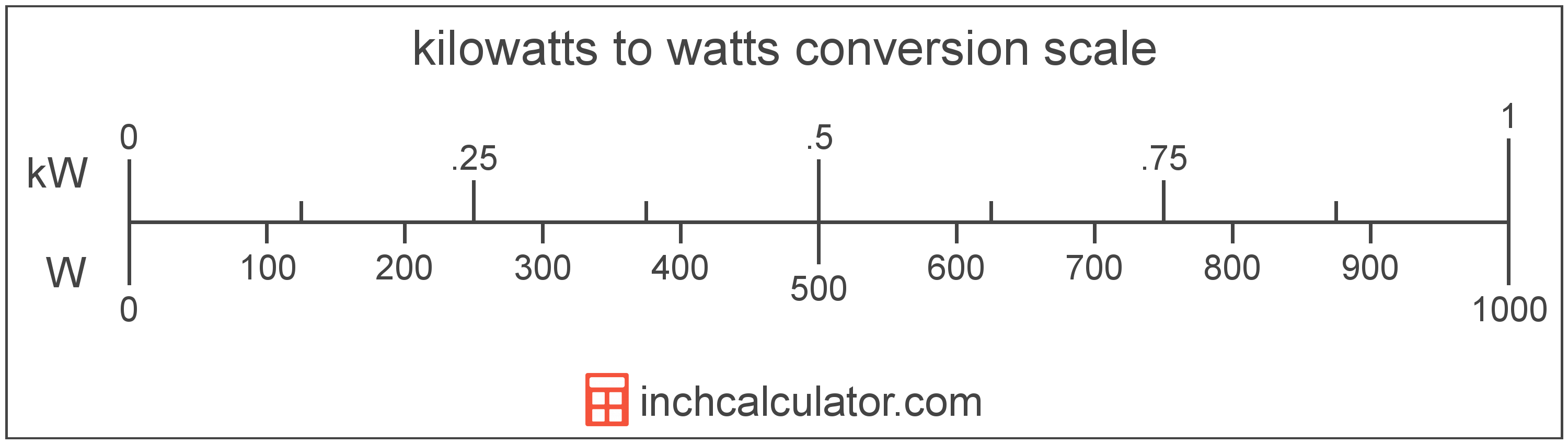
There are exactly 1,000 watts in one kilowatt!
Ta-da! It’s that wonderfully simple! One thousand of those hardworking little watts band together, form an unstoppable super-team, and become one magnificent kilowatt. It’s like a thousand little worker bees forming one giant, super-efficient Queen Bee! Or a thousand tiny Lego bricks snapping together to create a formidable spaceship ready to explore the galaxy. Suddenly, all those smaller units transform into something substantial and easy to manage!

Why Do We Even Bother With Kilowatts?
You might be thinking, Why not just say 1,500 watts instead of 1.5 kilowatts?
Well, my friend, it’s all about convenience and making numbers less unwieldy. Imagine your electricity bill trying to list everything in single watts! It would be a scroll longer than a dragon's tale. Your refrigerator, for instance, might use around 150-200 watts when it's actively cooling. But your entire house, running a fridge, a microwave (often 1000+ watts!), a hair dryer (a whopping 1200-1875 watts!), and a bunch of lights? We're talking thousands upon thousands of watts. It just gets easier to say 2 kilowatts
than 2,000 watts
, doesn't it? It’s a numerical shortcut for clarity!
Think of it like money: you wouldn't say I have 500 pennies
when you could just say I have 5 dollars
. The kilowatt is our electrical dollar
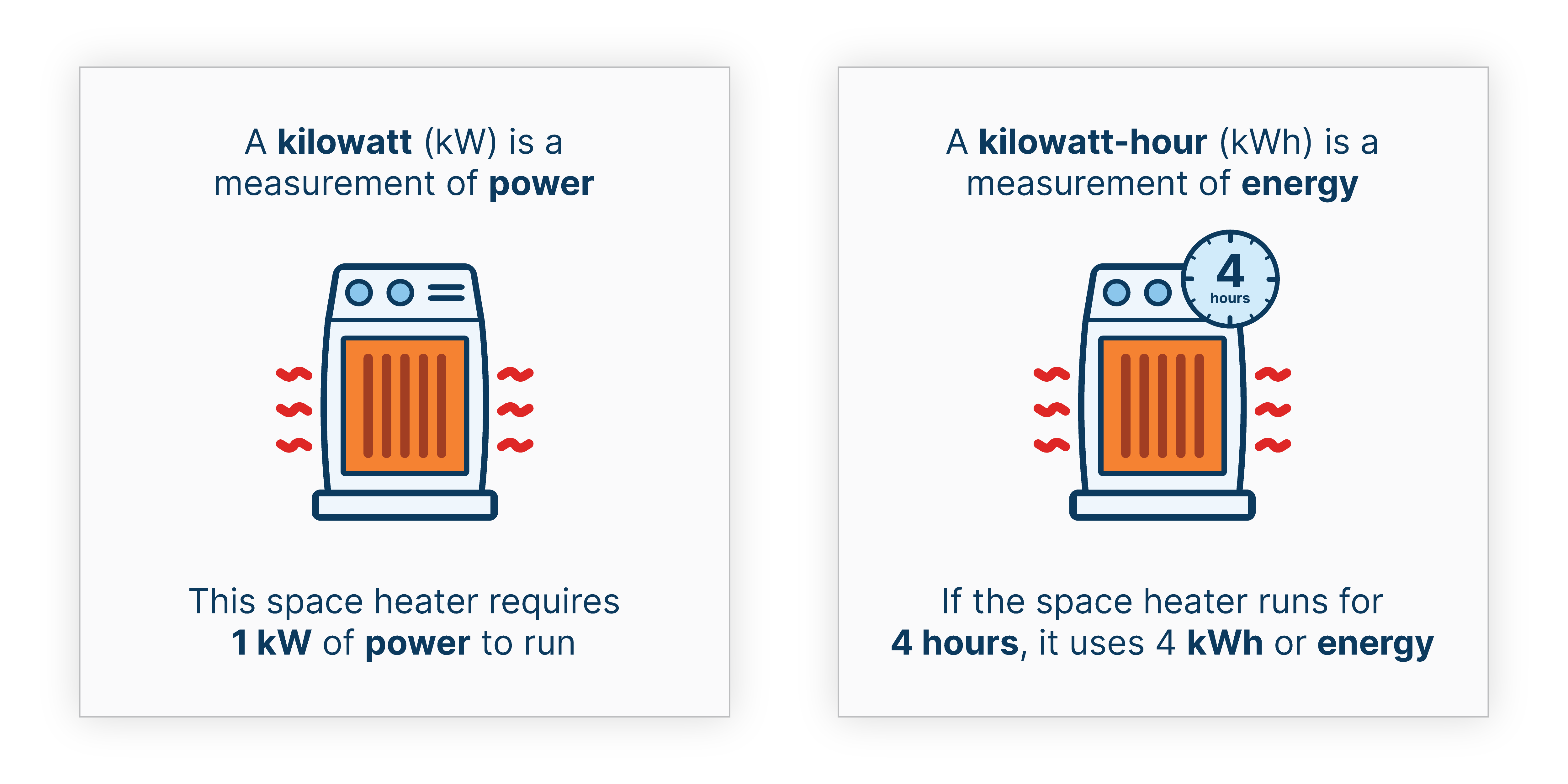
! It's the unit we use for bigger measurements, especially when talking about how much electricity your appliances chew through over time (which then leads to kilowatt-hours
on your bill, but let's save that electrifying adventure for another day!). Knowing this simple conversion truly powers up your everyday understanding.
So, the next time you plug in your phone, marvel at your brightly lit room, or hear the satisfying hum of your dishwasher, give a little nod to the incredible relationship between the watt and the kilowatt. You now possess the power to understand a fundamental secret of your electrically charged world. You're not just a consumer; you're an informed, wattage-savvy superstar! Go forth and power on, knowing that you've got the scoop on the ultimate electrical team-up – a dynamic duo making your modern life brilliant!
