How Many Watts Is Ceiling Fan
Ah, the ceiling fan! That graceful spinner above our heads, a silent sentinel of comfort. It whirls, it soothes, it dances with the air. We often take it for granted, letting its gentle breeze whisk away the heat of a long day. But have you ever paused, mid-swirl, and wondered about its secret life? Specifically, how much energy does this elegant gadget actually use? It's a fun question, a little domestic mystery waiting to be unraveled!
The Gentle Giant's Little Secret
Let's get straight to the heart of the matter. You might think such a powerful-looking device, constantly moving, must be gobbling up electricity. But here’s the delightful surprise: your average ceiling fan is actually quite the energy-sipper! It's not a power-hungry monster lurking in your ceiling. Far from it!
Most ceiling fans use surprisingly little electricity. They're often compared to a standard incandescent light bulb in terms of power consumption.
Imagine that! While a single light bulb might barely illuminate your room, your fan is busy creating a wonderful, cooling effect across a much larger space. This makes it incredibly special. It’s a champion of efficiency, a true friend to your wallet and the planet. This knowledge alone can bring a smile to your face, knowing you’re being both comfortable and smart.
Must Read
Why This Is So Entertaining!
Knowing how few watts your ceiling fan consumes makes it quite entertaining for a few reasons. First, there's the sheer joy of discovery. It busts the myth that anything providing such significant comfort must be expensive to run. It’s like finding out your favorite snack is actually good for you! Second, it empowers you. You can crank up that fan on a sweltering afternoon without a whisper of guilt.
Think about it: an air conditioner blasts cold air, but it comes with a hefty energy tag. Your ceiling fan, on the other hand, simply circulates the air, creating a delightful wind-chill effect. It’s a natural, efficient way to feel cooler. It's not actually changing the room's temperature, but it makes you feel several degrees cooler. That's a clever trick, isn't it? It’s a testament to simple physics working wonders in your home.

Decoding the Wattage Mystery
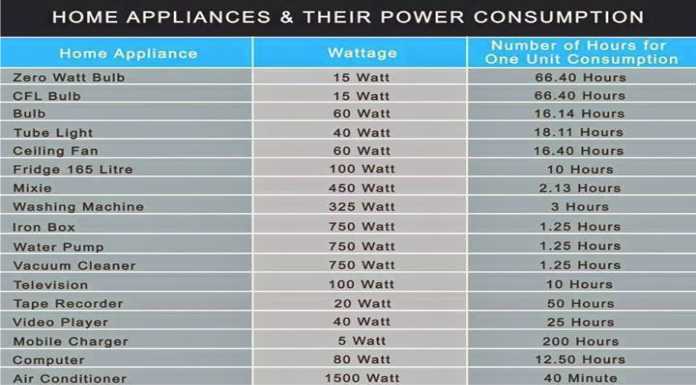
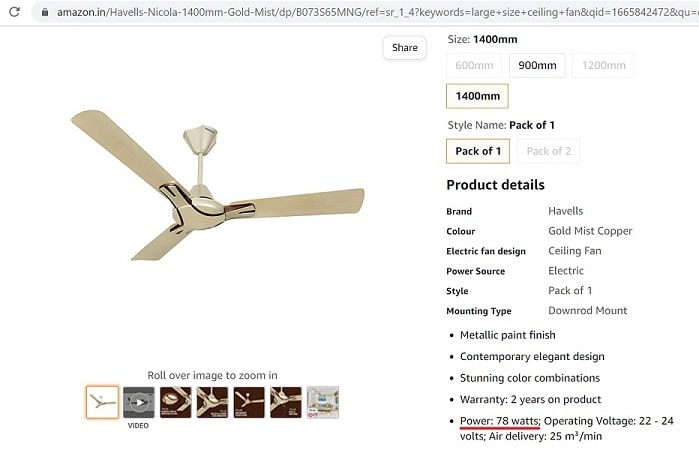
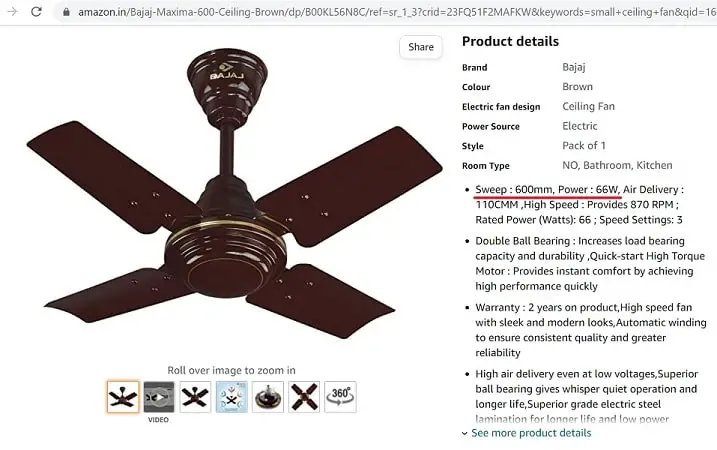
So, what are we talking about in actual numbers? While there's no one-size-fits-all answer, most ceiling fans, especially modern ones, operate in a range that will make you cheer. For a typical fan running on a medium speed, you might be looking at something in the ballpark of 15 to 75 watts. Some of the newer, super-efficient DC motor fans can be even lower, occasionally dipping under 10 watts on their lowest settings!
To put that into perspective, running a fan for an entire day might cost you less than a dollar, sometimes even just pennies! Compare that to a hairdryer (often over 1000 watts) or a microwave (around 1200-1500 watts). Your ceiling fan is practically a minimalist when it comes to power consumption. This fact is truly special because it highlights how much value and comfort we get from such a modest energy input.
The Art of the Breeze: More Than Just Watts
Beyond the numbers, what makes the ceiling fan truly special is its ability to transform a stuffy room into a breathable oasis. It's not just about the wattage; it's about the feeling it creates. The gentle hum, the rhythmic rotation, the way it makes the curtains dance – it all adds to a sense of calm and well-being.
Choosing a ceiling fan isn't just about utility; it's an expression of style. There are fans with intricate designs, sleek modern looks, rustic charm, and everything in between. Each one, regardless of its specific wattage, plays its part in making your home uniquely yours. Knowing that your stylish fan is also an energy-conscious choice just adds another layer of appreciation.

It's like having a personal wind machine, always ready to whisk away discomfort with minimal fuss and even less energy.
Ready to Be a Fan Detective?
Now that you're armed with this fun knowledge, why not become a "fan detective"? Take a look at your own ceiling fan. Can you find its wattage information? Sometimes it's on a sticker on the motor housing, or in the instruction manual. It's a small detail, but it makes you feel more connected to your home and the clever devices within it.
So, the next time your ceiling fan is merrily spinning above, don't just feel the breeze. Appreciate its quiet efficiency, its surprisingly low power consumption, and the simple, enduring comfort it brings. It's a true unsung hero of the home, proving that sometimes, the greatest helpers are also the gentlest on your energy bill. Go on, give your ceiling fan a nod of appreciation – it's earned it!