
How Many Watts Is 1.58 Kw
Hey there, fellow home adventurer! Ever find yourself staring at an appliance label or an energy bill, seeing terms like "kW" and "W," and feeling like you’ve accidentally stumbled into a secret code? Don't worry, you're not alone. It's like trying to figure out if you need a tiny espresso shot of power or a jumbo-sized coffee mug full.
Today, we're going to demystify one of those head-scratchers: How many watts is 1.58 kW? And more importantly, why on earth should you care? Let's turn that frown upside down and make this energy stuff as easy to digest as your favorite snack.
Watts vs. Kilowatts: The Friendly Showdown
Think of it like this: watts (W) are the little busy bees of electricity. They're the basic unit of power. When you turn on a tiny nightlight, it uses a few watts. When you turn on your phone charger, it's also a handful of watts.
Must Read
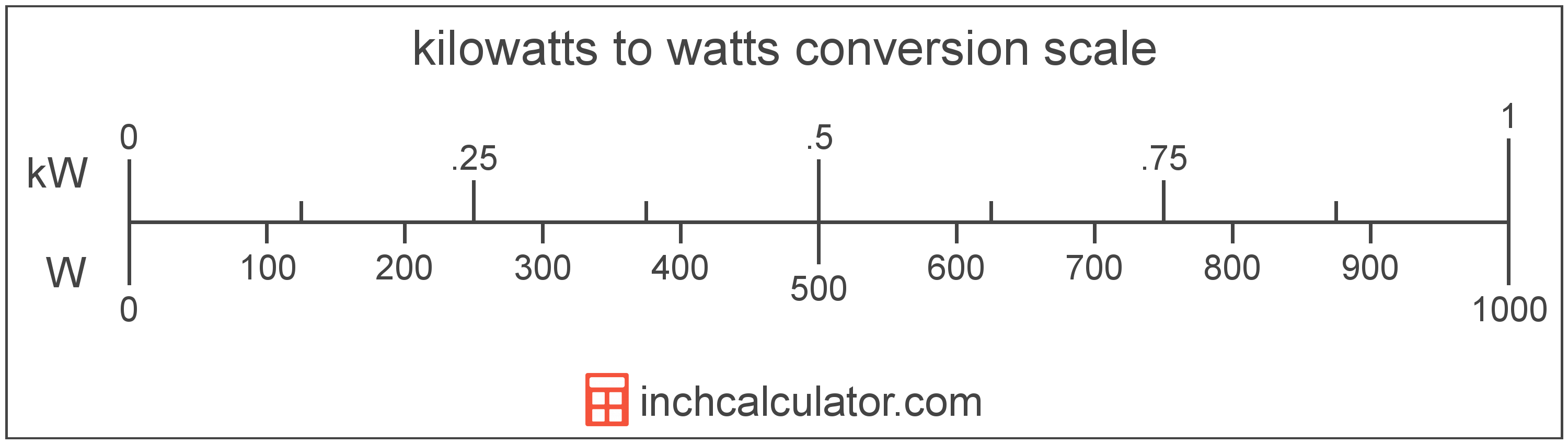
Now, kilowatts (kW) are like the big bosses. The "kilo" part just means one thousand. So, 1 kilowatt is the same as 1000 watts. It’s exactly like how 1 kilogram is 1000 grams, or 1 kilometer is 1000 meters. We use kilowatts when we're talking about appliances that gobble up a bit more juice – like your microwave, hairdryer, or that super-speedy electric kettle.
The Big Reveal: 1.58 kW to Watts!
Ready for the grand conversion? It's easier than trying to fold a fitted sheet!
Since 1 kW = 1000 W, all we have to do is multiply our kilowatt number by 1000. So, for our 1.58 kW:

1.58 kW * 1000 = 1580 Watts
Ta-da! That's it! 1.58 kW is 1580 Watts.
What Can 1580 Watts Do in Your World?
Okay, so 1580 Watts. What does that even feel like? Let's bring it to life with some everyday scenarios. Picture this:
-
The Morning Rush Hairdryer: Many powerful hairdryers, especially the ones that promise salon-quality blowouts in minutes, hover right around the 1500-1875 Watt mark. So, 1.58 kW is pretty much your trusty hairdryer, blasting away to give you that perfect, fluffy hair as you're running out the door. It's a quick burst of concentrated power!
-
The Speedy Kettle: That electric kettle eagerly boiling water for your morning tea or instant ramen? Many of them are right in this ballpark, bubbling away with around 1500-2000 watts of power to get that water piping hot in a flash. Imagine 1.58 kW as the impatient energy that just can't wait for your cuppa!
-
Toasty Goodness: Your average two-slice toaster? It typically uses anywhere from 800 to 1500 watts to turn bread into delicious, golden-brown perfection. So, 1.58 kW is like a super-charged toaster, ready to handle even the thickest bagels with ease!

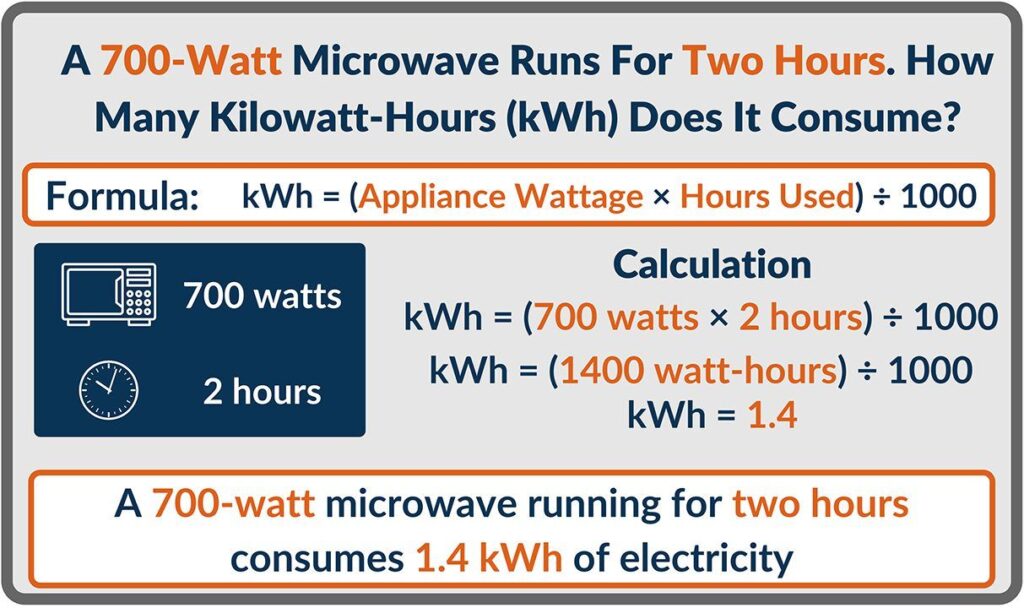
Watts To kWh: Watts To Kilowatt-Hours Calculator + Chart - LearnMetrics
So, when you see 1.58 kW, think of it as a good chunk of power, enough to get some serious work done in your kitchen or bathroom!
Why Should You Even Bother Caring About This? (Besides Bragging Rights!)
This isn't just a fun math exercise; understanding watts and kilowatts actually comes with some pretty cool perks for everyday life!
1. Saving Pennies (and Pounds, and Dollars!)
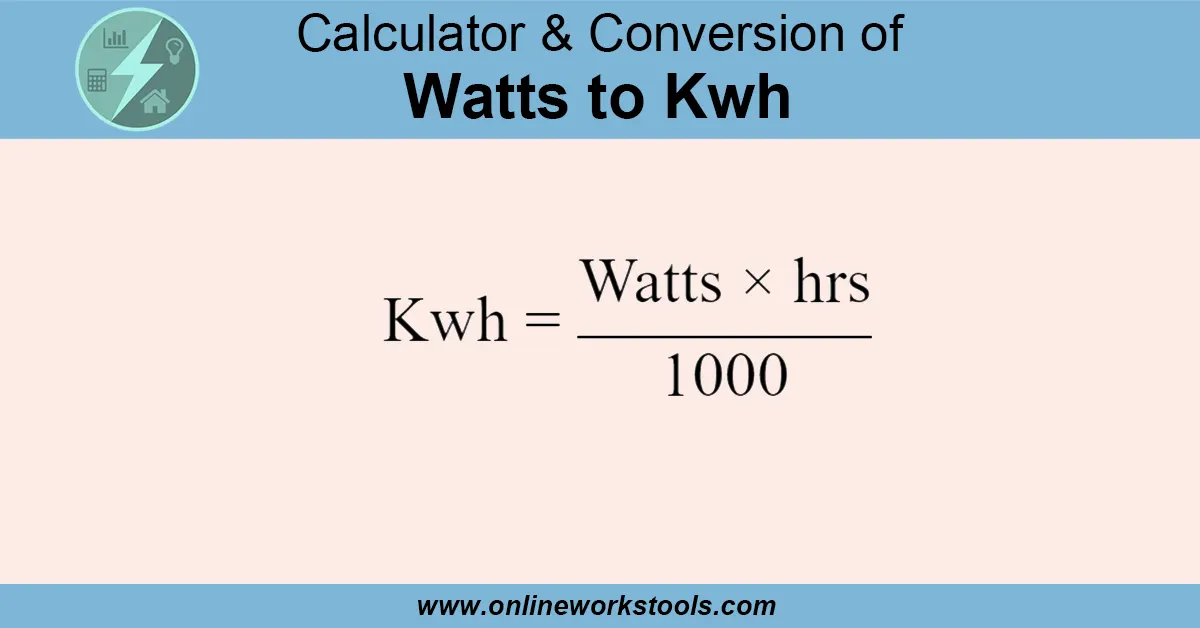
Ever get that electric bill and wonder, "What in the world was running that much?" Knowing an appliance's wattage (or kilowattage) gives you a sneak peek into how much energy it uses. Appliances with higher wattage generally use more electricity. If you're trying to cut down on energy costs, this little number becomes your secret weapon! You can choose more efficient appliances or simply be more mindful of how long you run those power-hungry gadgets. It's like being a detective for your energy bill!
2. Circuit Safety: Avoiding Mini-Meltdowns!
Remember that time you plugged in the microwave, the toaster, and the coffee maker all at once on the same outlet, and suddenly...
3. Smart Shopping for Appliances
Next time you're eyeing a new gadget – maybe a new air fryer or a fancy vacuum cleaner – a quick peek at its wattage can tell you a lot. Is it an energy sipper or a power guzzler? This knowledge empowers you to make smarter, more informed choices that align with your budget and energy goals. You'll be the smartest shopper in the store, making choices that make your wallet happy in the long run.
4. Being the Household Hero!
Okay, maybe not hero status, but you'll certainly be more confident when discussing anything electrical! You'll understand why certain appliances have thicker cords or why some make your lights dim a tiny bit when they kick on. You'll be able to explain it to family and friends, becoming the go-to person for all things power-related. How cool is that?
So, the next time you see 1.58 kW, you won't just see numbers. You'll see 1580 Watts of potential, ready to dry your hair, boil your water, or toast your bread – and you'll understand exactly what that means for your home, your wallet, and your peace of mind. Keep exploring, stay curious, and keep those electrons flowing (safely, of course)!